
How to Repair a Hole in a Thin Wool Sweater
You put on your favourite sweater, slip your arm into the sleeve and there it is: a small hole. Sometimes it appears in the armpit, sometimes at the cuff and sometimes right in the middle of the sweater where it definitely does not belong. The good news is that a hole in a wool sweater usually does not mean it is time to say goodbye.
Repairing a small hole in a sweater as soon as possible is always a good idea. A tiny hole is much easier to mend than a larger damaged area with unravelled stitches. The best repair method depends on the material, the size of the hole and whether you want the repair to blend in or stand out.
Here is how to repair a hole in a wool sweater, including damage to thin knits, sleeves and armpits.
How to repair a hole in a wool sweater before it gets bigger
Knitted garments are constantly moving and stretching in use. Cuffs rub against surfaces, armpits are under tension and a bag may repeatedly rub against the same area. Once a small hole appears, the surrounding stitches can begin to unravel, quickly turning minor damage into a much bigger problem.
That is why the first rule of sweater repair is simple: repair small holes early.
Take a closer look at the damage before you start. Is it a tiny isolated hole, perhaps caused by a clothes moth? Has a seam opened under the arm? Or have the knitted stitches started to unravel? Repairing a hole in a sweater is much easier when you choose a method that suits the type of damage.
Repairing a thin wool sweater: patch or darn?
When repairing a thin knit, it is important not to make the repaired area unnecessarily heavy or stiff. A lightweight merino sweater or fine wool knit behaves very differently from a thick wool jumper.
Darning a thin sweater is a good option when you want the repair to be as discreet as possible and are comfortable using a needle and thread. Choose a fine thread or yarn that is similar in colour and material to the original knit. Avoid pulling the stitches too tight, as this can cause the fabric around the repair to pucker.
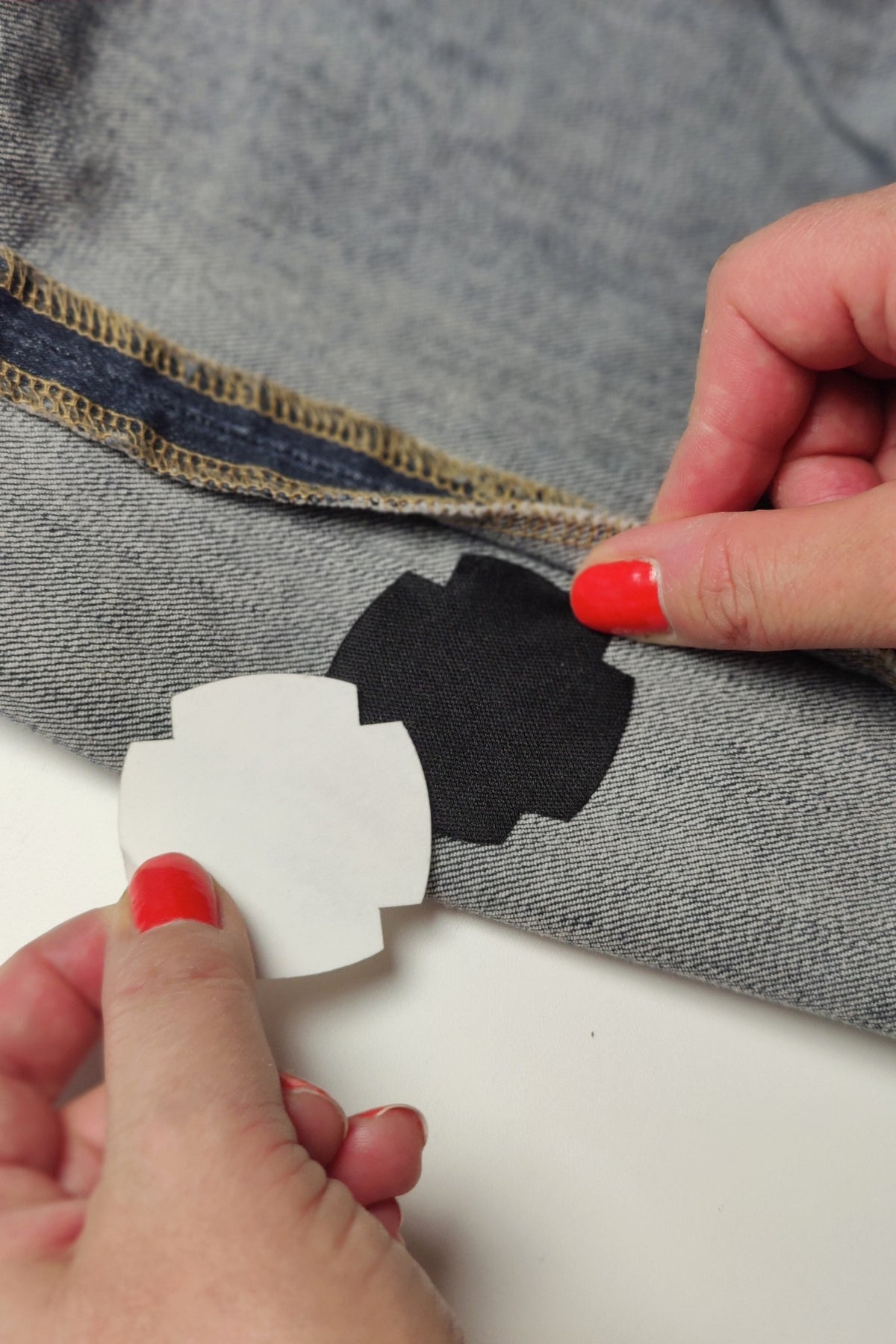
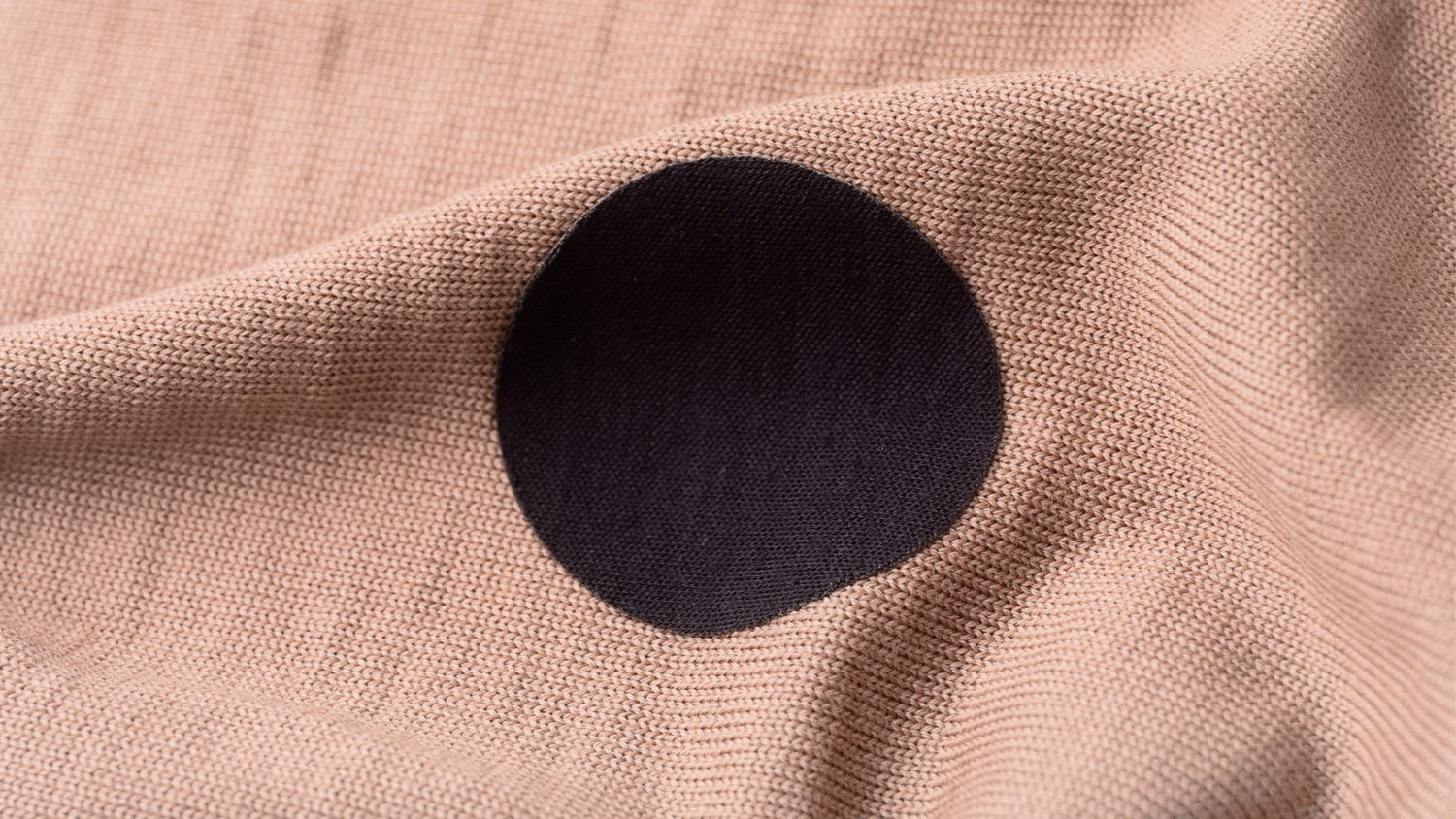
If sewing is not your thing or you want to reinforce a worn area quickly, a repair patch is another option. Depending on the material and the damage, a patch can be attached either to the outside or inside of the garment. A patch applied to the inside supports the damaged area while keeping the original look of the sweater as intact as possible.
And if you do not want to hide the repair? Make it visible. A well-chosen patch can look as though it has always been part of the garment.

How to repair an unravelled sweater
Repairing an unravelled knit starts with stopping the stitches from running any further. Avoid pulling loose threads, as this can make the damage worse.
If a stitch has started to unravel, you can carefully pick it back up with a crochet hook or blunt needle and secure it from the inside. If a large area of a fine knit has unravelled, professional knitwear repair may be the best solution, especially for a valuable garment or damage in a highly visible area.
Once the loose stitches are secured, reinforce the damaged area if necessary to prevent it from starting to unravel again.
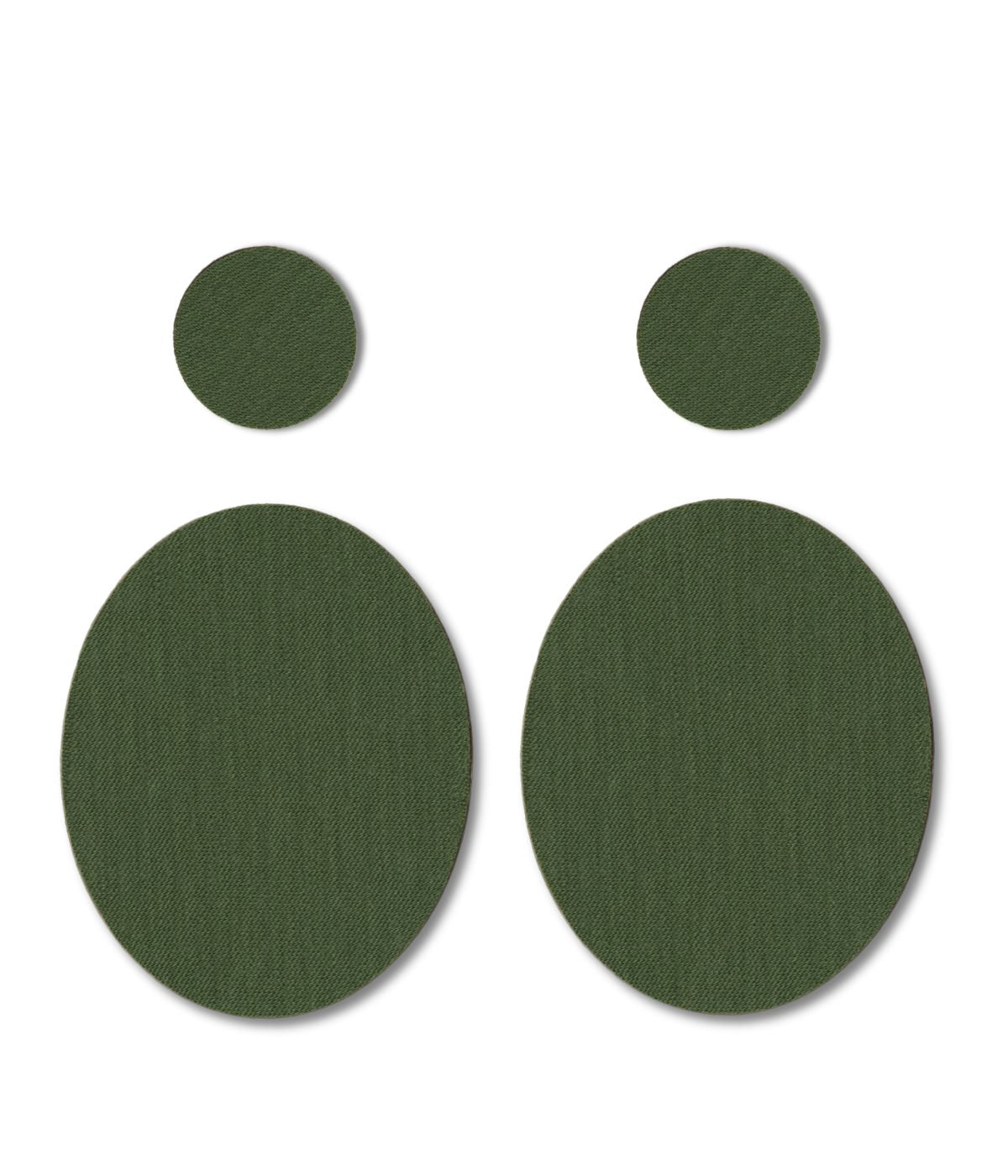
FABPATCH MERINO Green
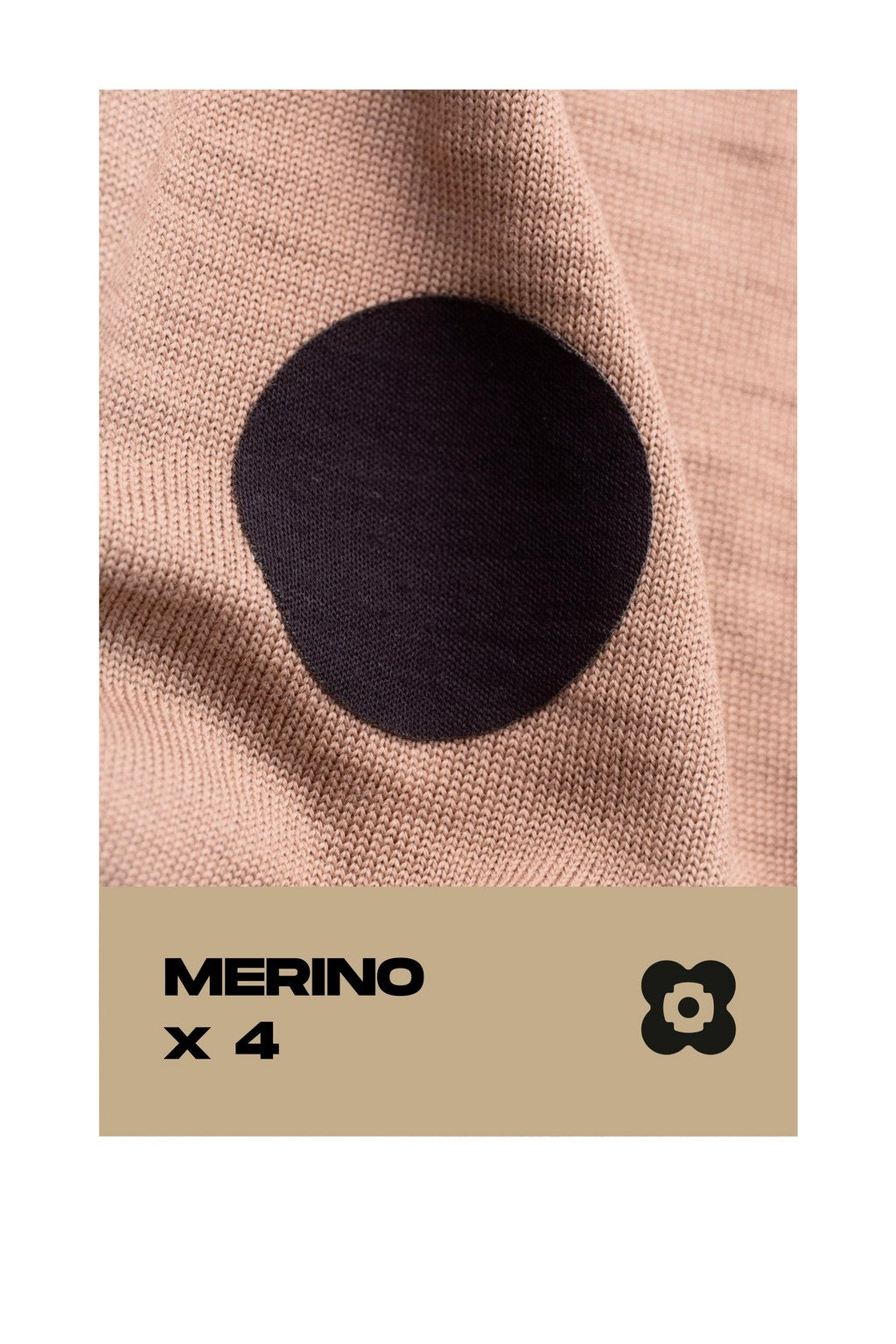
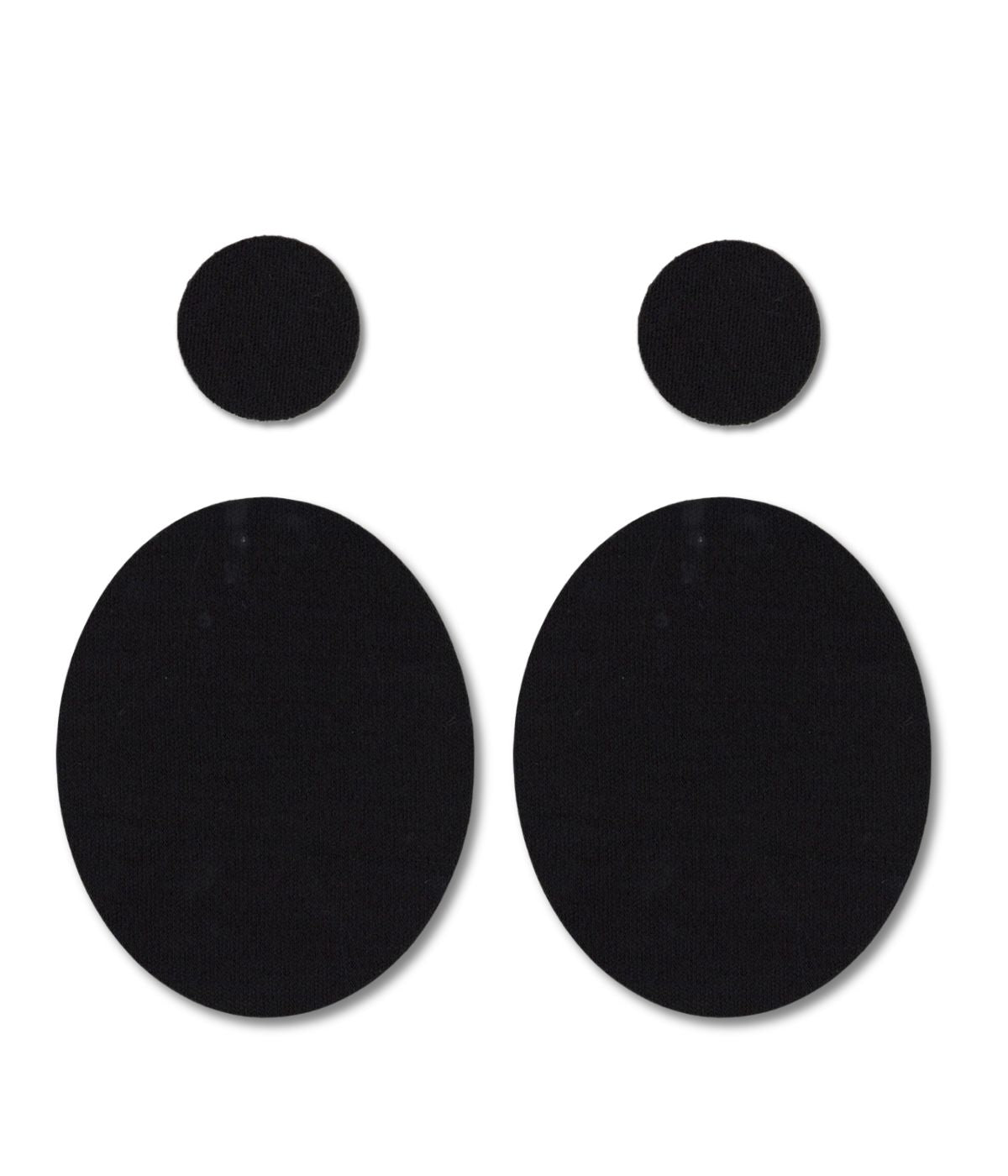
FABPATCH MERINO Black
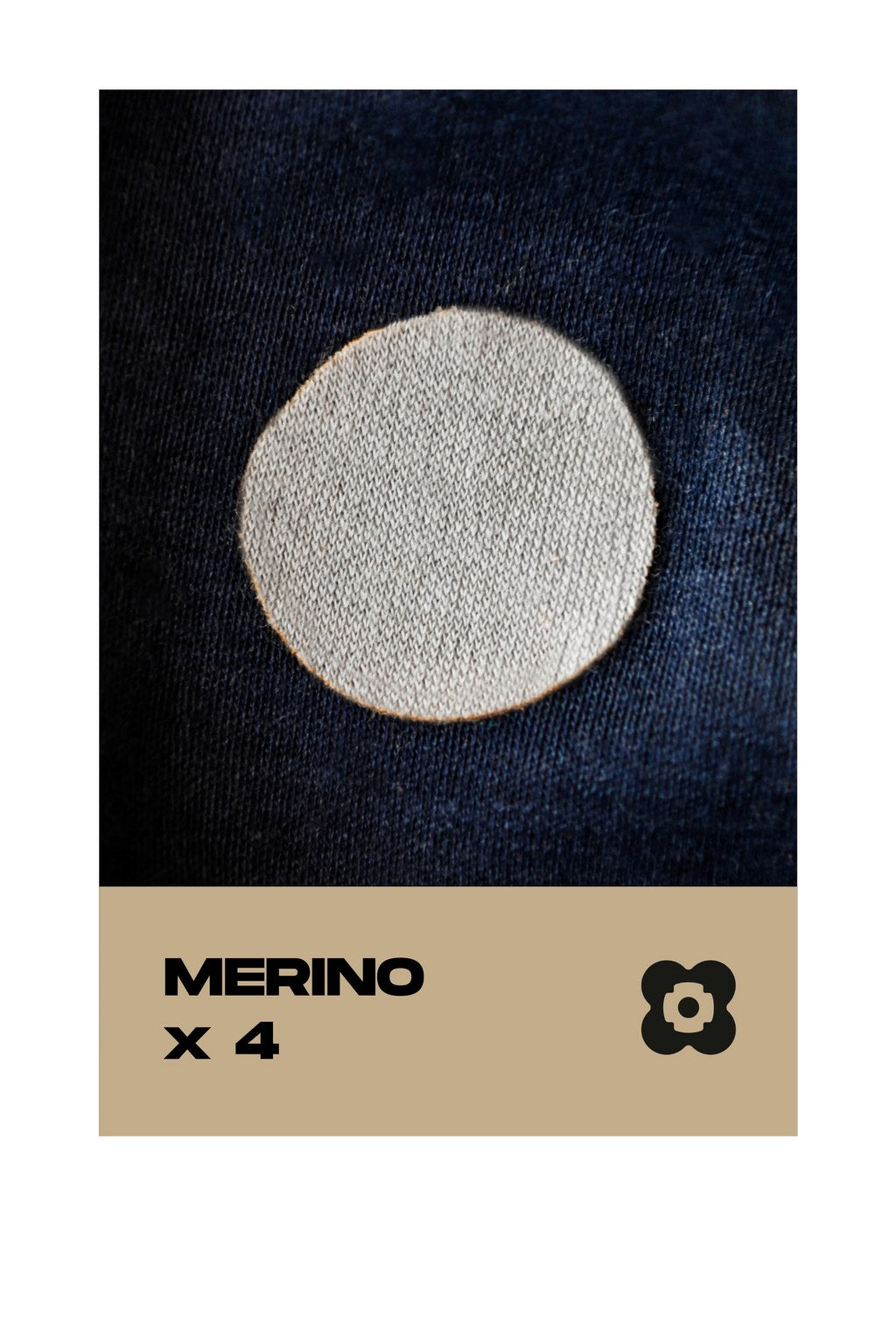
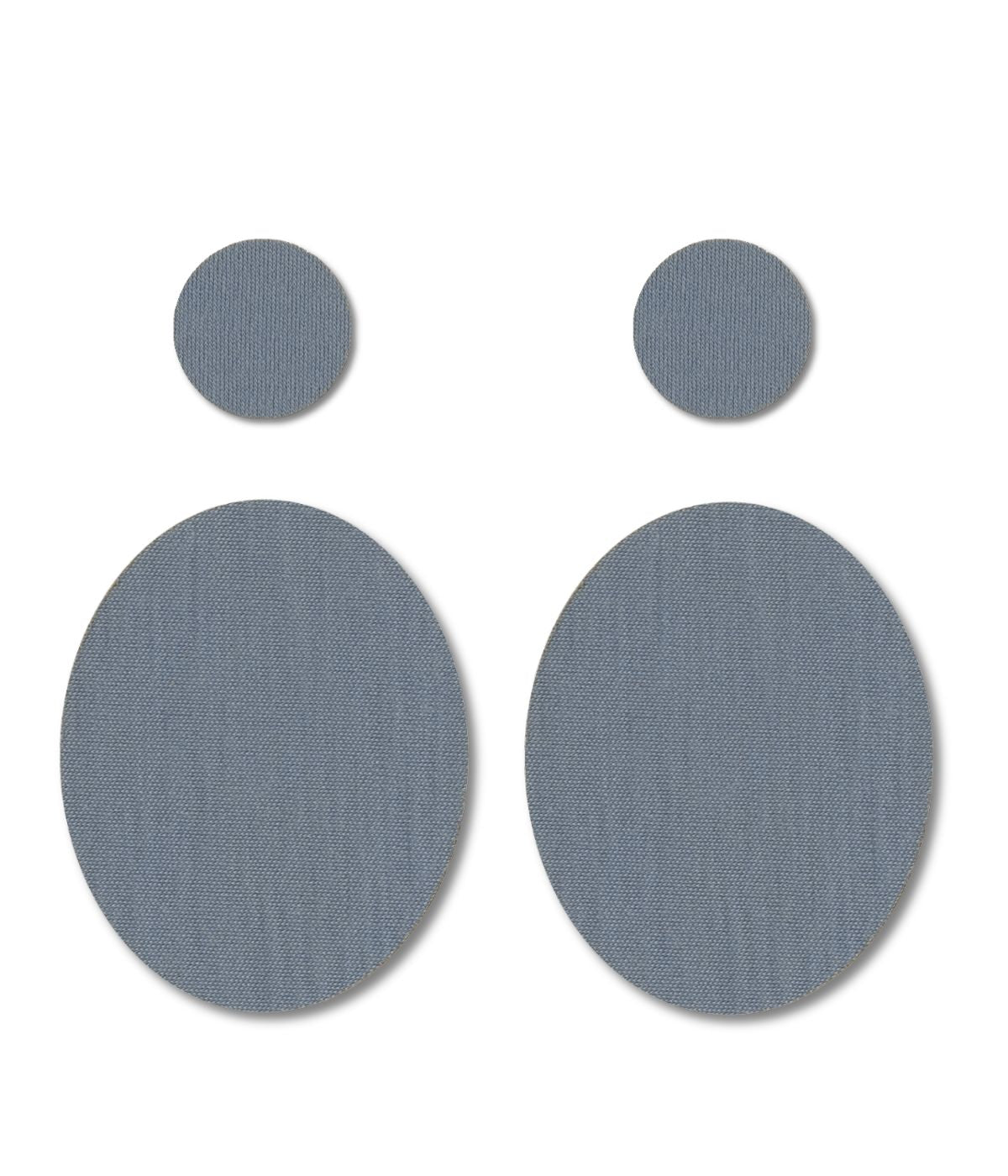
FABPATCH MERINO Grey
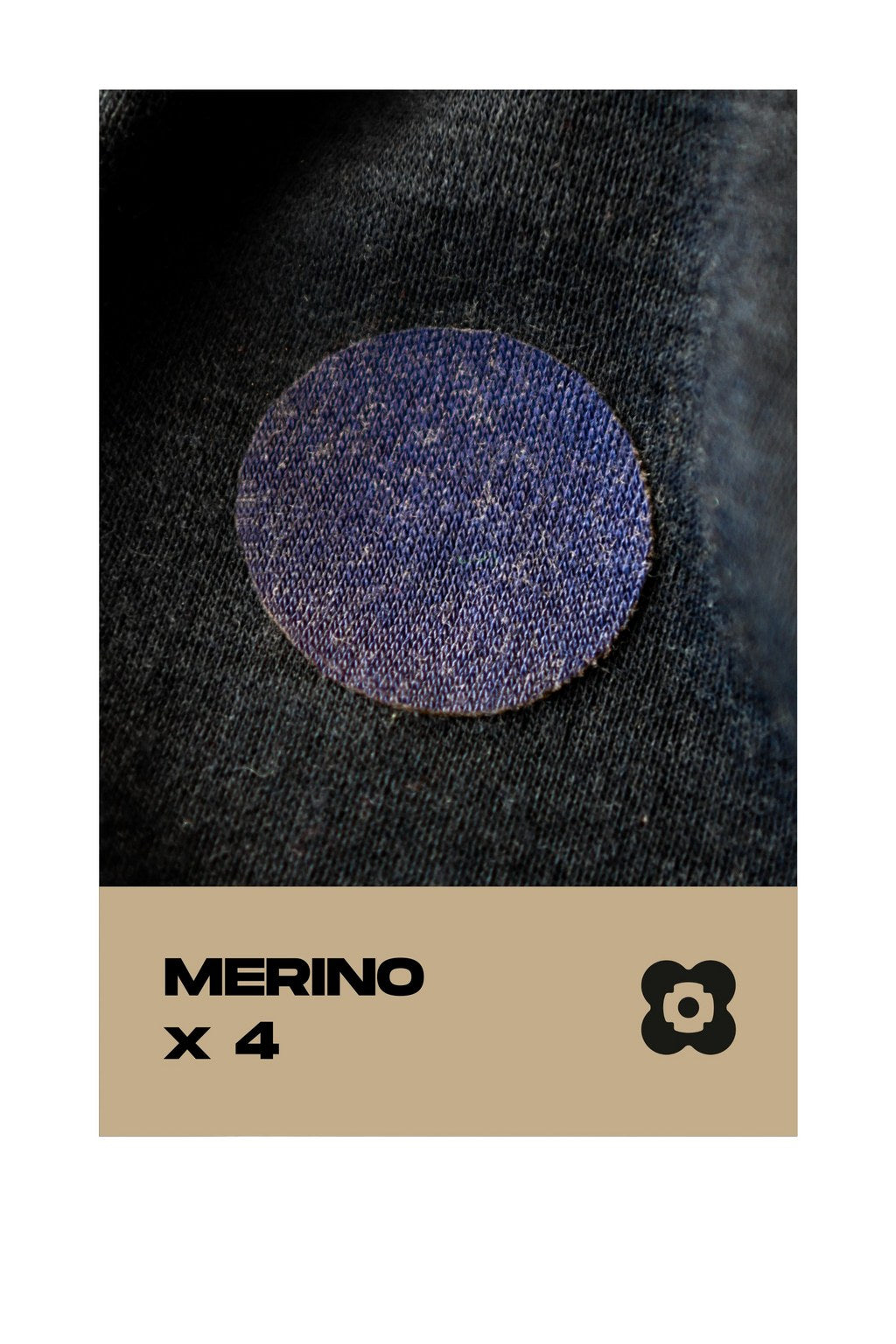
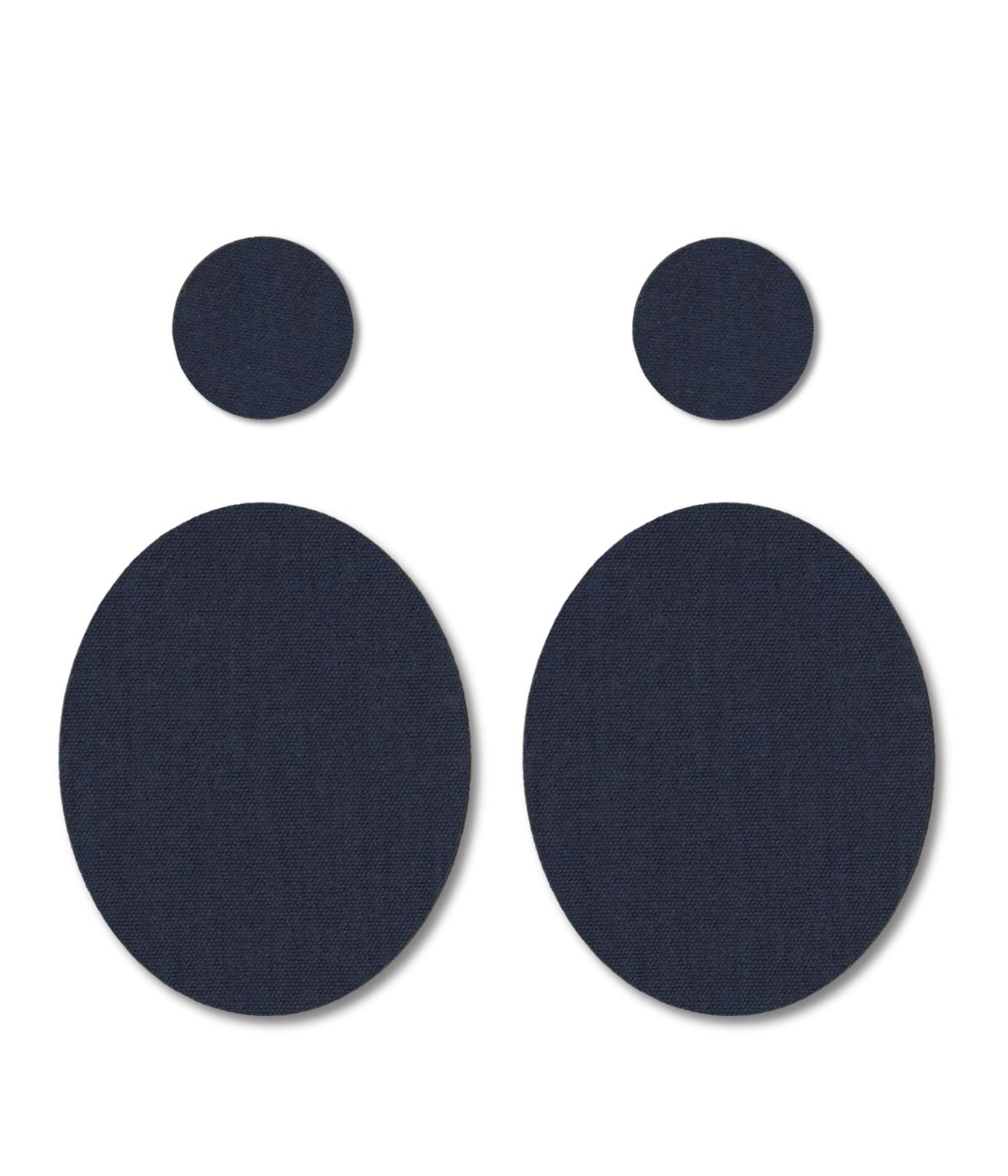
FABPATCH MERINO Navy
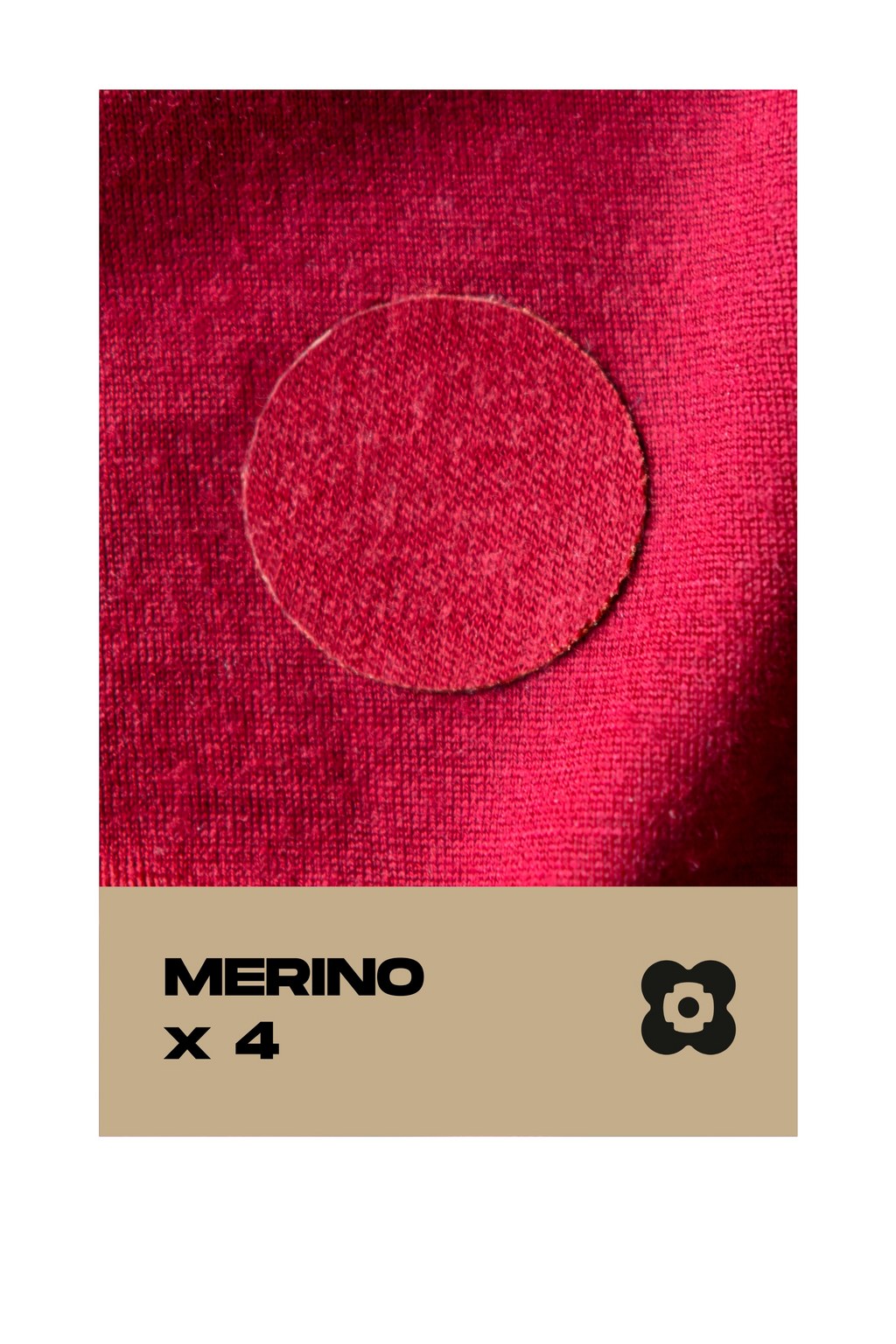
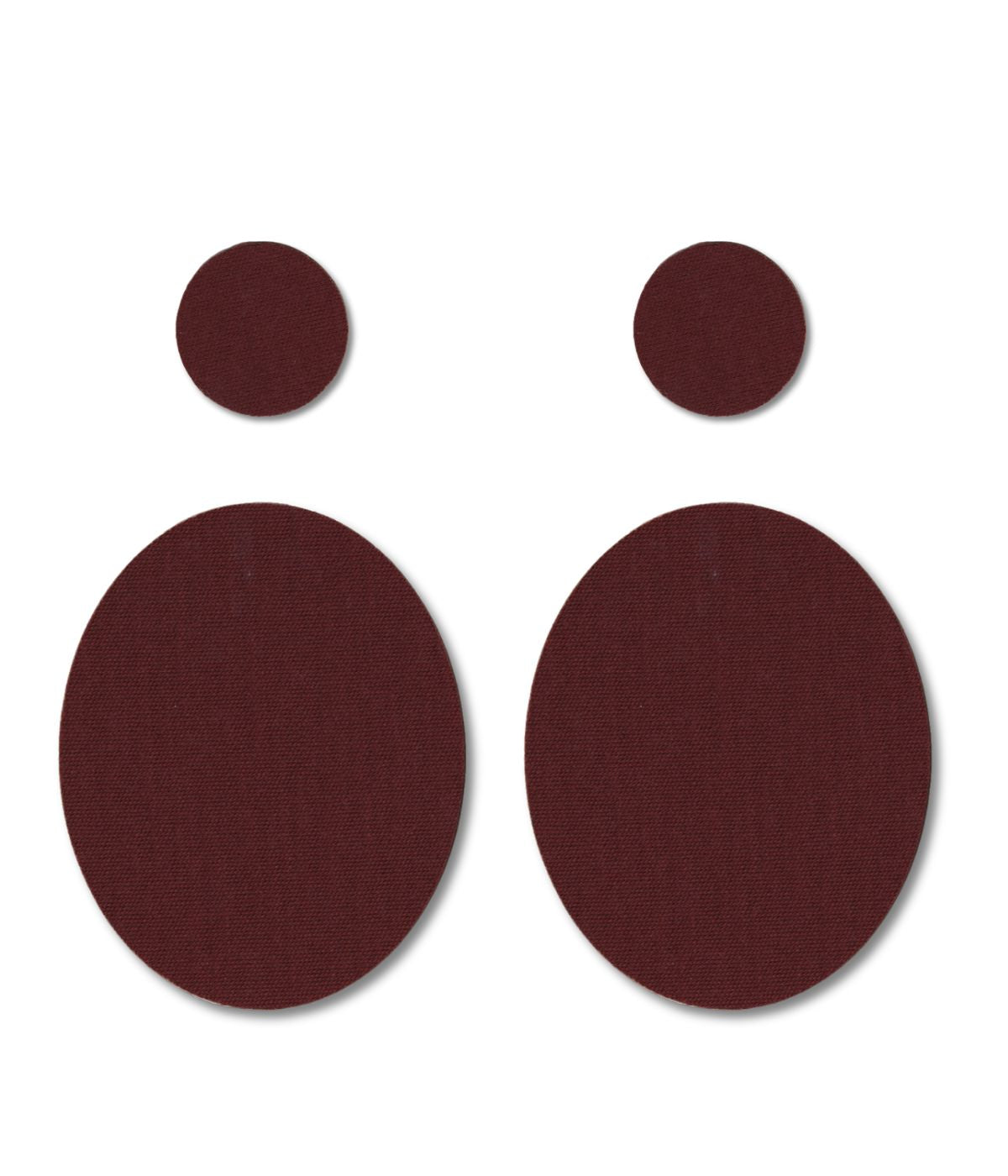
FABPATCH MERINO Red

Merino set: 3 x MERINO FabPatch

Merino set: 2 x MERINO FabPatch
How to repair a hole in the armpit of a wool sweater
The armpit is one of the hardest-working areas of a sweater. The fabric stretches every time you move your arm, the knit rubs against itself and the seams are under constant stress. It is therefore no surprise that holes often develop under the arms.
If the hole is along a seam, first check whether the knitted fabric itself is still intact. A seam that has simply opened can often be sewn closed. If the material around the seam has become thin or torn, stitching the seam alone may not be enough.
In that case, reinforce an area slightly larger than the visible damage. As the repair is under the arm, it usually does not need to become the centrepiece of your outfit, making a discreet repair a practical choice.
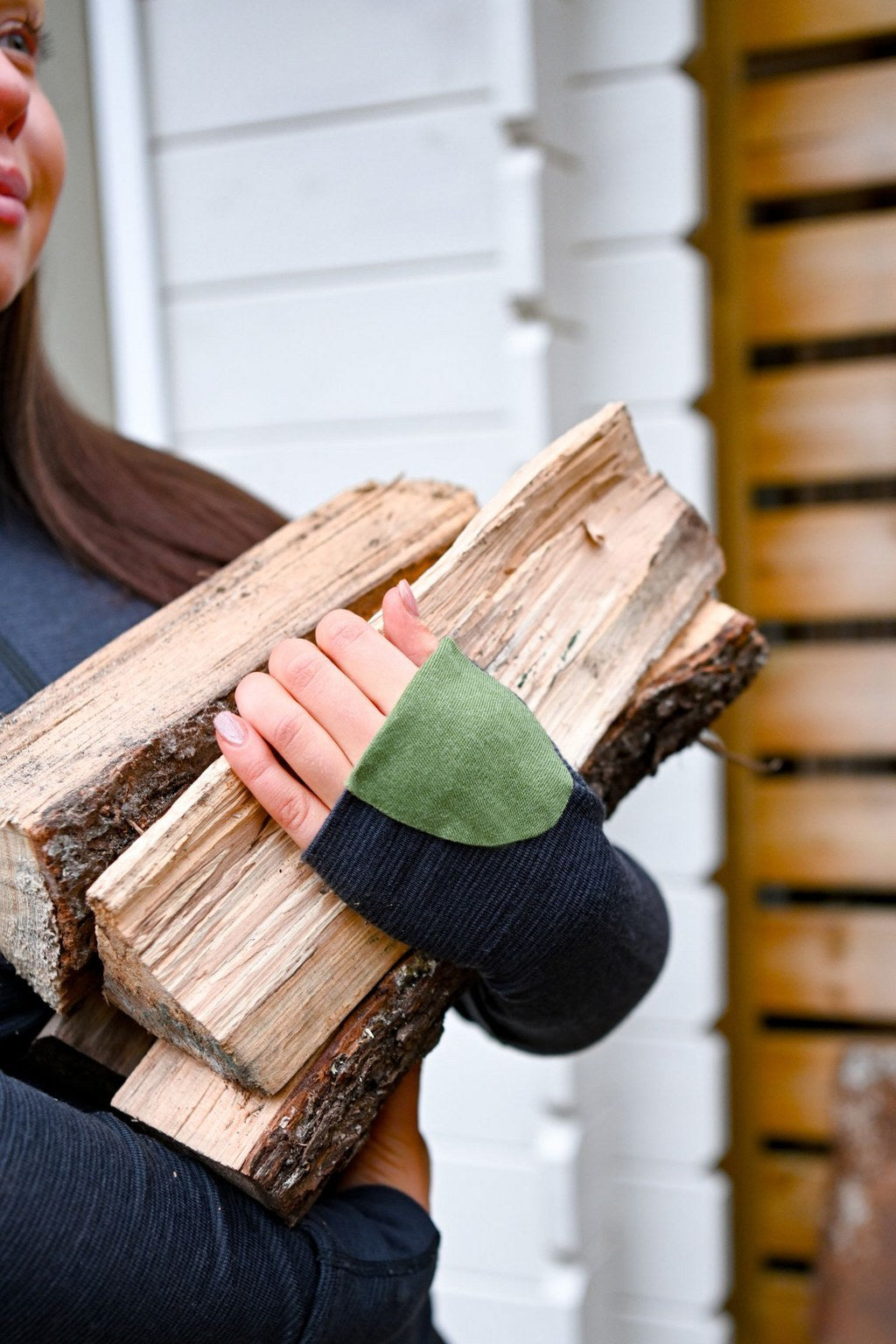
Repair worn sweater sleeves before a hole appears
With sweater cuffs, the problem often begins before there is an actual hole. The knit becomes thinner, starts to pill or stretches as the sleeves repeatedly rub against tables, jacket linings and other surfaces throughout the day.
If you notice a clearly worn or thinning area, reinforce it before your finger goes through the fabric. Repairing a small hole is always easier than rebuilding a completely worn-out cuff.
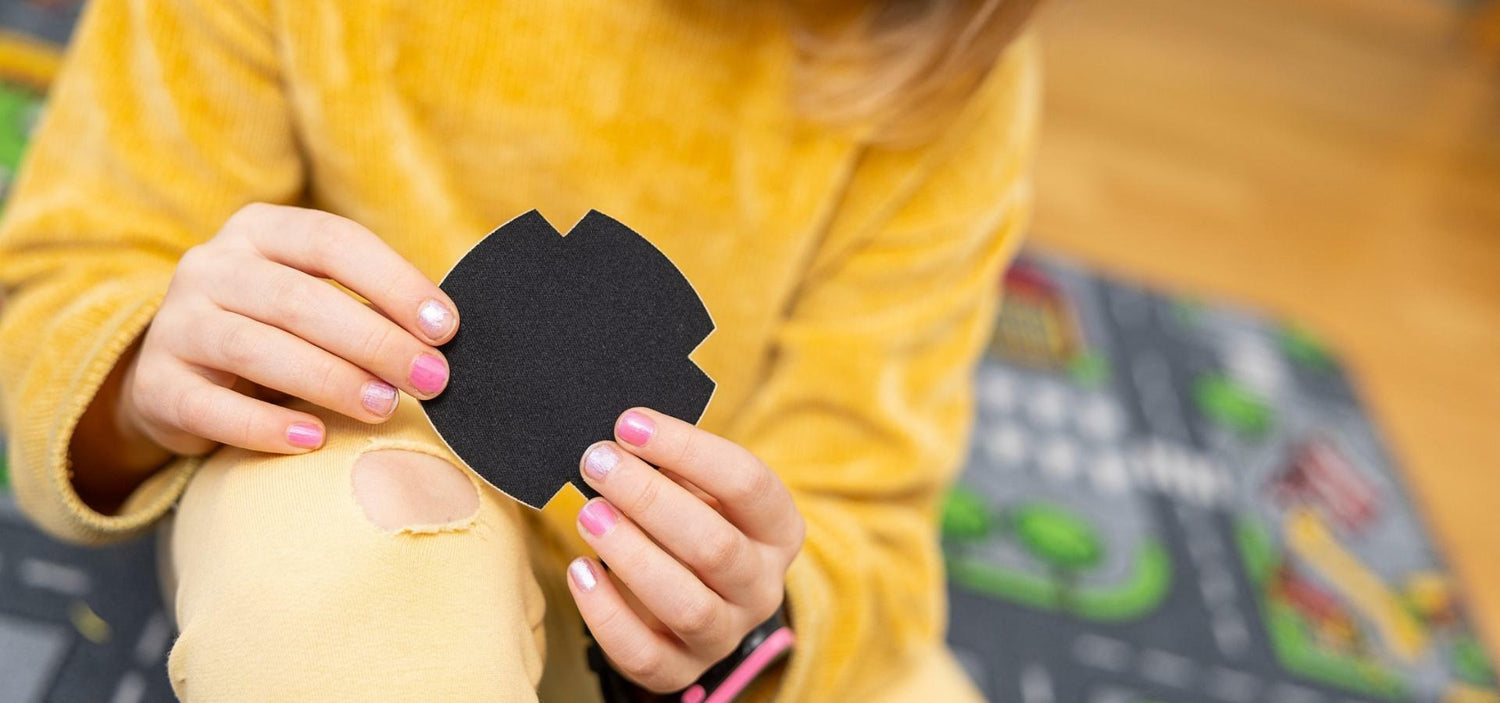
A small hole can be darned, while a larger worn area can be reinforced with a patch. A visible repair can also become a design detail, especially on casual wool sweaters and children's knitwear.
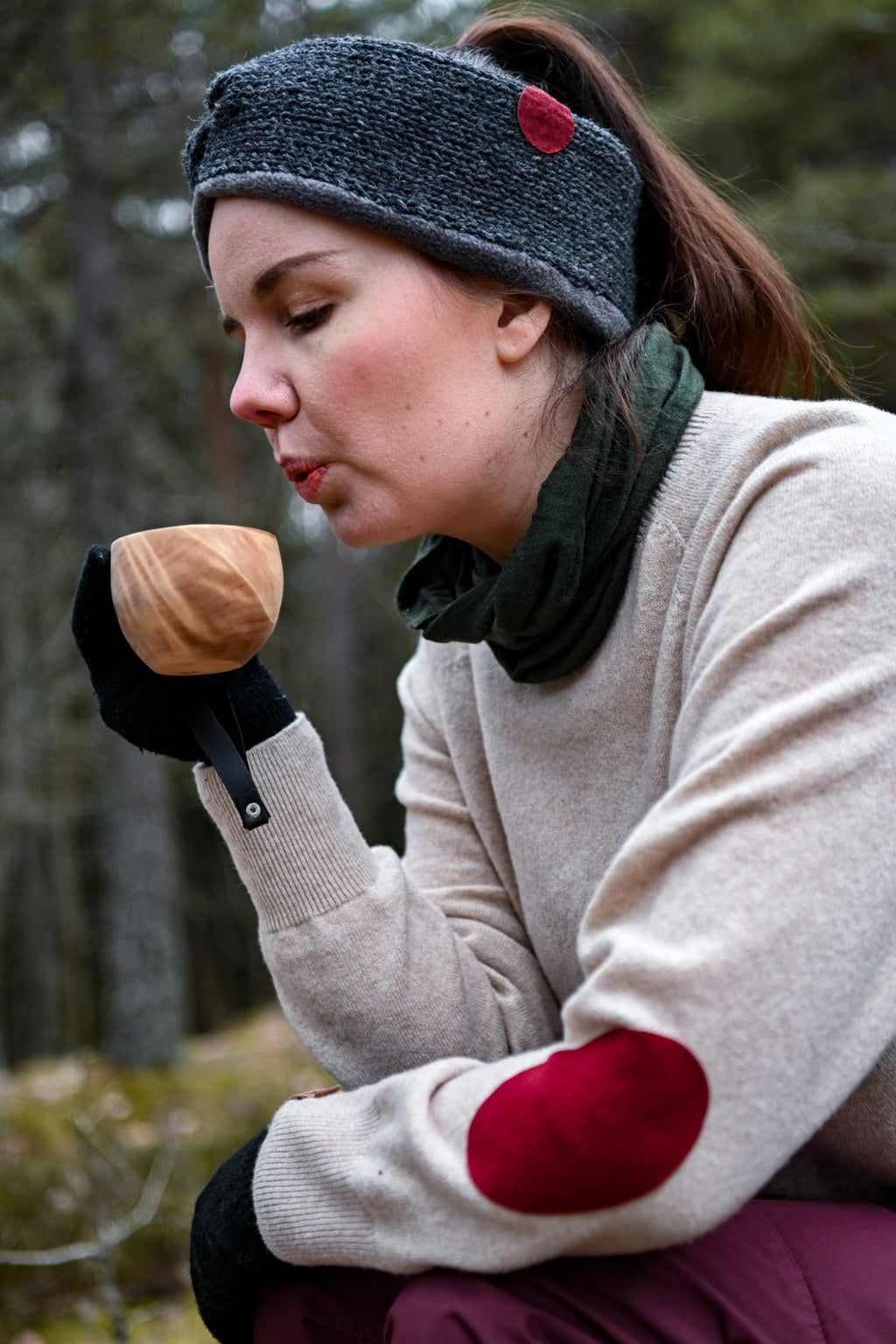
Can you repair a wool sweater with FabPatch™?
In many cases, yes, although the material of the garment matters.
FabPatch™ textile repair patches are attached by rubbing, so there is no need for a sewing machine or special sewing skills. When repairing knitwear, choose a patch that is suitable for the material and, if necessary, test adhesion on an inconspicuous area first.
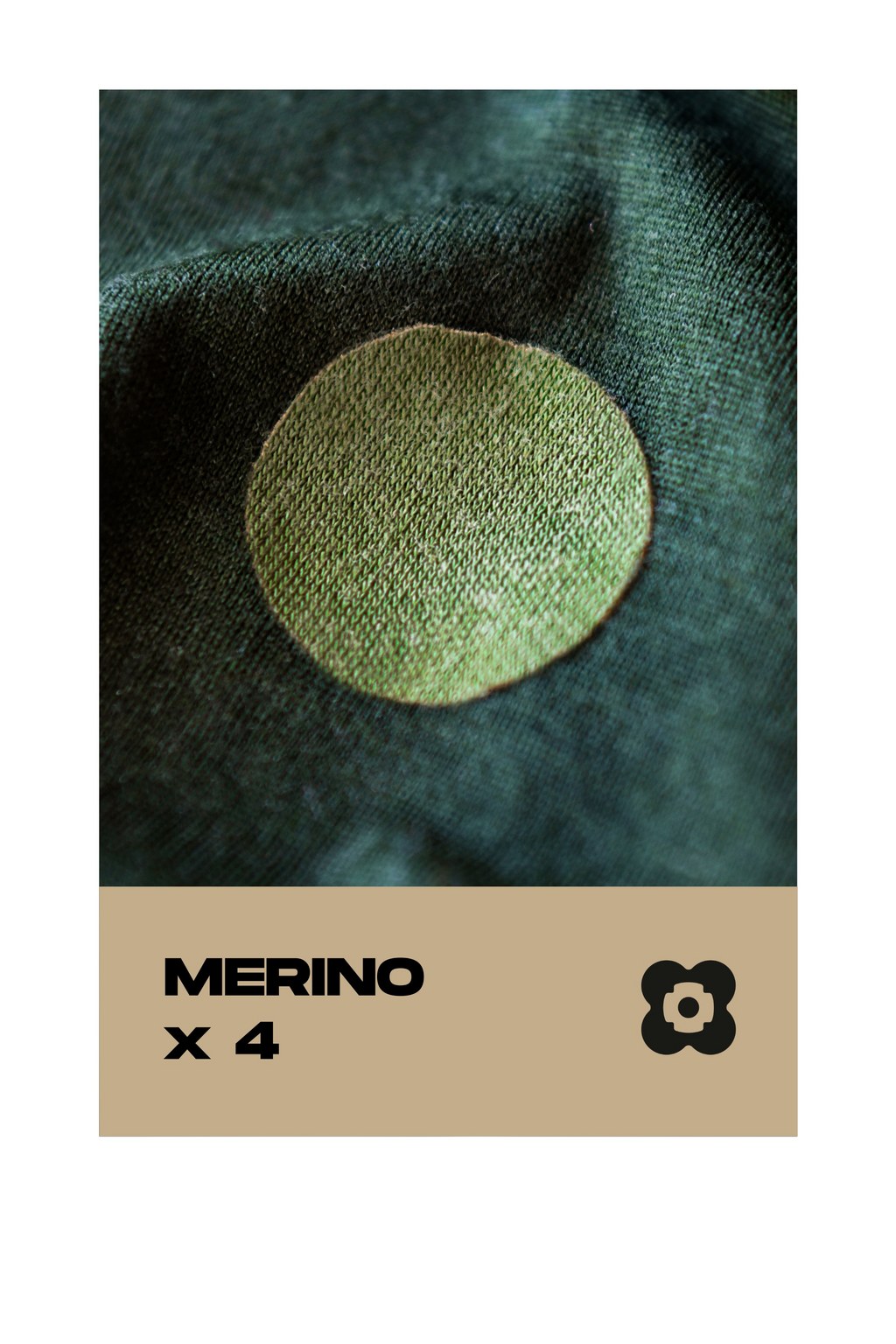
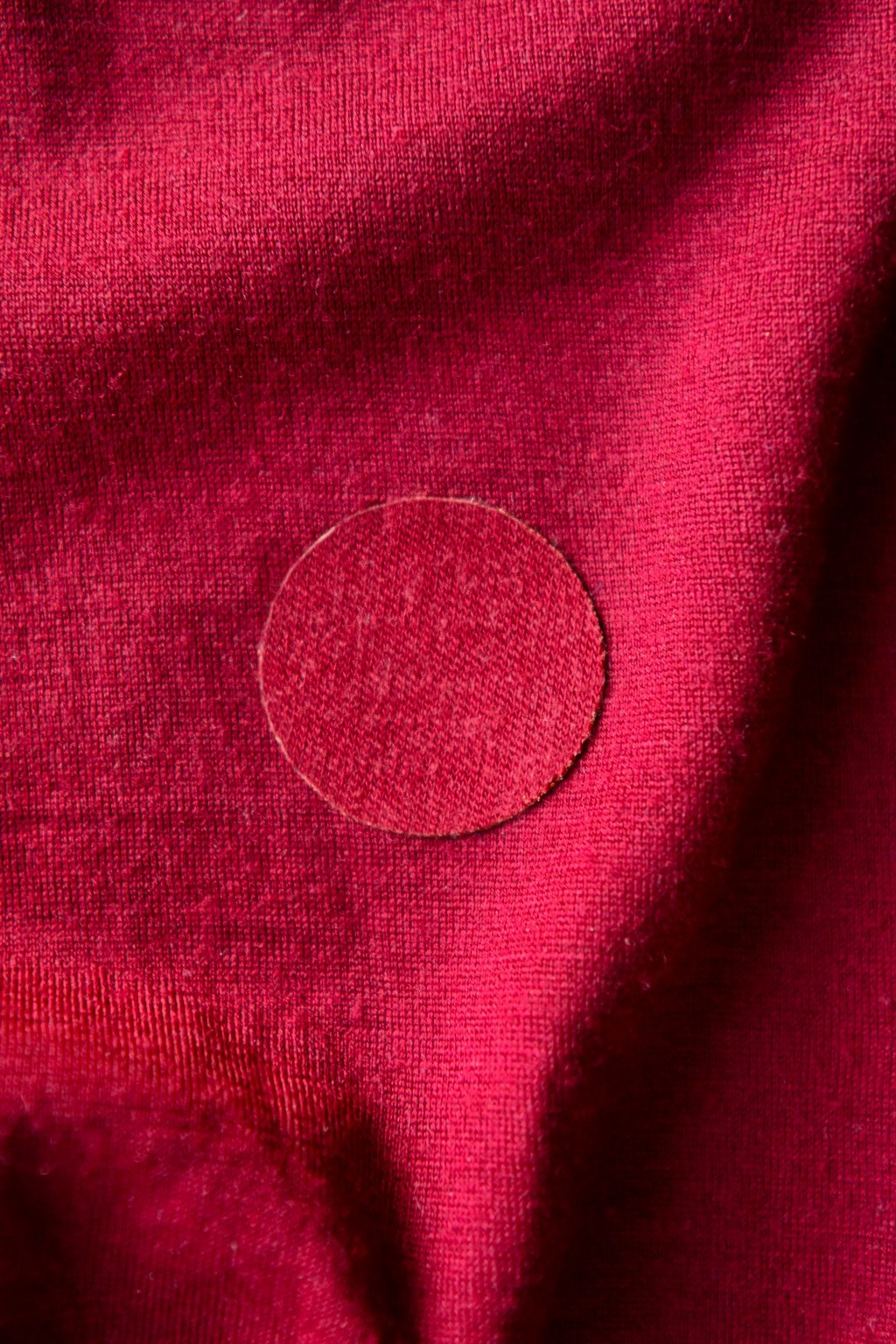
For wool garments, one interesting option is FabPatch™ Merino, made from mulesing-free merino wool. The repair can be made intentionally visible or, depending on the garment and placement, kept as discreet as possible.
The patch should extend well beyond the hole and cover the weakened material surrounding it. If the knit has started to unravel significantly, secure the loose stitches first and reinforce the area afterwards.
Patching is particularly convenient when you want to get a garment back into use without a lengthy sewing project. No sewing machine and no need to master the perfect darning stitch. Simply position the patch and rub it firmly into place.
Visible or invisible sweater repair?
There is no single right answer. If you are repairing a neat, lightweight wool sweater, you may want the repair to disappear as much as possible. Matching yarn, careful darning or reinforcement on the inside of the garment can work well.
On another sweater, a visible repair may look better than trying to hide the damage. A contrasting colour, an interesting shape or several carefully placed patches can turn the repair into part of the design.
And sometimes one patch leads to another simply because it looks good. You do not have to wait for another hole to appear.

How to mend a small hole in clothing so it stays repaired
Whether you are repairing a wool sweater, a thin knit or another garment, a few basic steps can help make the repair last.
Make sure the garment is clean and dry before repairing it. The repaired area should extend slightly beyond the visible damage so that the weakened material around the hole is also supported. Avoid stretching the knit excessively while making the repair.
FabPatch™ textile repair patches are attached by rubbing. Follow the attachment instructions carefully and make sure the entire patch, including the edges, is firmly attached.
And the easiest trick of all? Do not wait for a small hole to become a big one. As soon as the first stitch looks like it has plans of its own, it is time to take action.
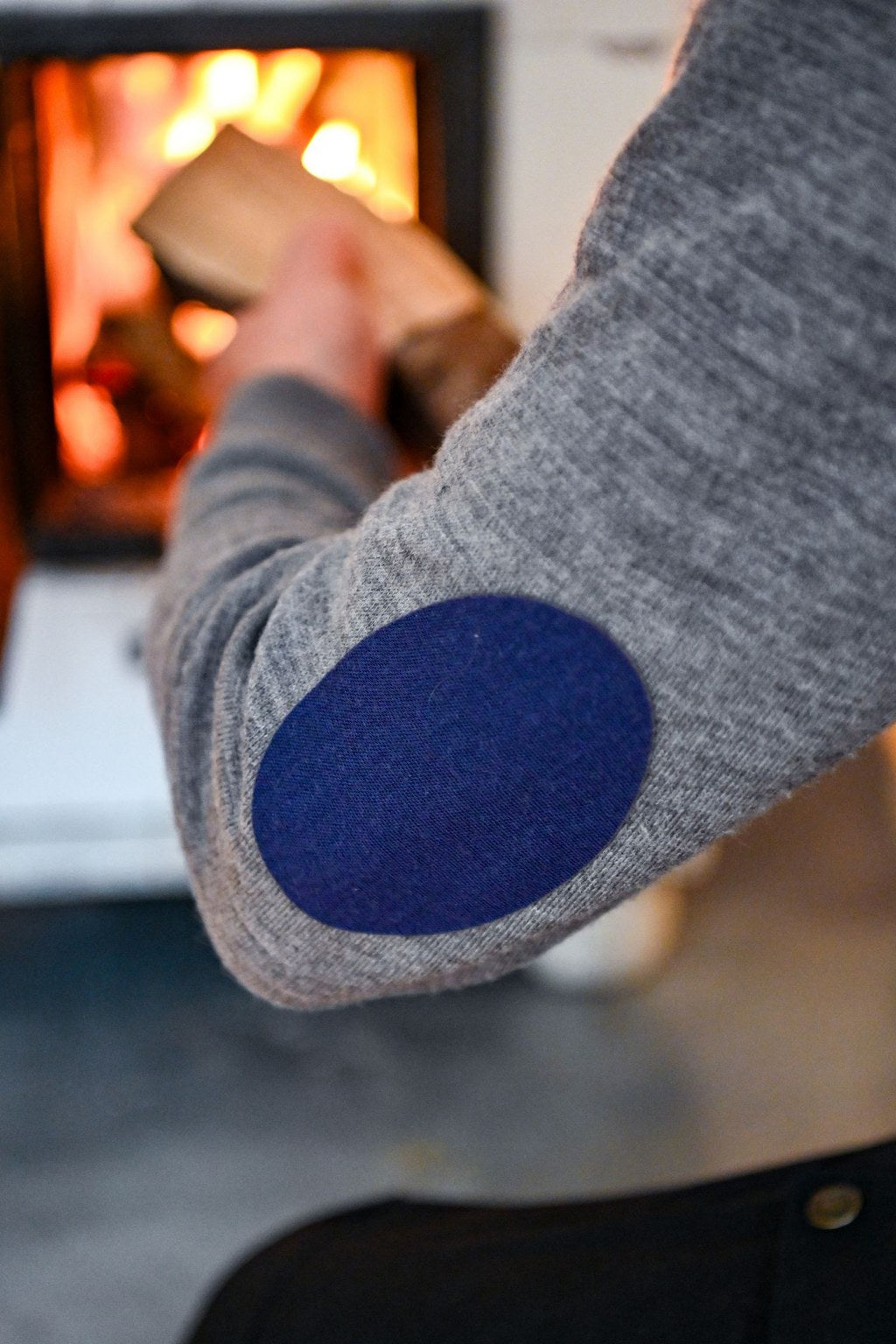
Choose the right repair method for your knitwear
Not every sweater should be repaired in the same way. A tiny hole in a lightweight merino sweater may need delicate darning, an open armpit seam may only require a few stitches, and a worn cuff may benefit from reinforcement. In other cases, a FabPatch™ textile repair patch can be the quickest and easiest solution.
The most important thing is to examine the damage first and choose a repair method that suits both the material and your personal style.
After all, the most important job of your favourite sweater is not to look flawless on a wardrobe shelf. It is to be worn.
Merino set: 2 x MERINO FabPatch
Merino set: 3 x MERINO FabPatch
FABPATCH MERINO Black
FABPATCH MERINO Red
FABPATCH MERINO Navy
FABPATCH MERINO Grey