

How to Patch Kids’ Pants – Repairing Kids’ Clothes Without a Sewing Machine
A worn-out knee, a small hole in rain pants or worn fabric in the crotch – sound familiar? Kids’ clothes are put to the test, and in the middle of all the action, no one usually stops to ask whether those pants can handle one more slide on the knees, climb up a tree or crawl through the sandbox.
Luckily, repairing kids’ clothes doesn’t automatically mean digging the sewing machine out of the cupboard. Many small holes, tears and worn areas can also be repaired easily without sewing using a FabPatch™. When damage is patched in time, the garment can quickly get back into use – often in just a few minutes.
Read our tips for repairing kids’ clothes in different situations, from fixing a large hole to tackling more challenging areas such as the crotch of pants.
Start repairing kids’ clothes as soon as you spot a small hole
In kids’ pants, holes often appear first at the knees, but the seat, trouser legs and crotch area also take a lot of wear. It’s worth patching a small hole before a tiny worn spot has time to turn into a proper tear.
First, check the area around the damage. If the surrounding fabric is otherwise intact and there is just one small hole or tear, the repair is usually easy. If, on the other hand, the fabric has become very thin and fragile over a larger area, simply covering the hole may not be enough. In that case, the repair should also extend over the worn area around it.
The FabPatch™ should be larger than the damaged area itself. This allows it to adhere to intact fabric around the hole instead of relying only on the damaged area.
Repairing kids’ clothes without a sewing machine
Not everyone has a sewing machine, and you don’t need one either. Kids’ clothes can be repaired without a sewing machine using a ready-made textile repair patch such as FabPatch™.
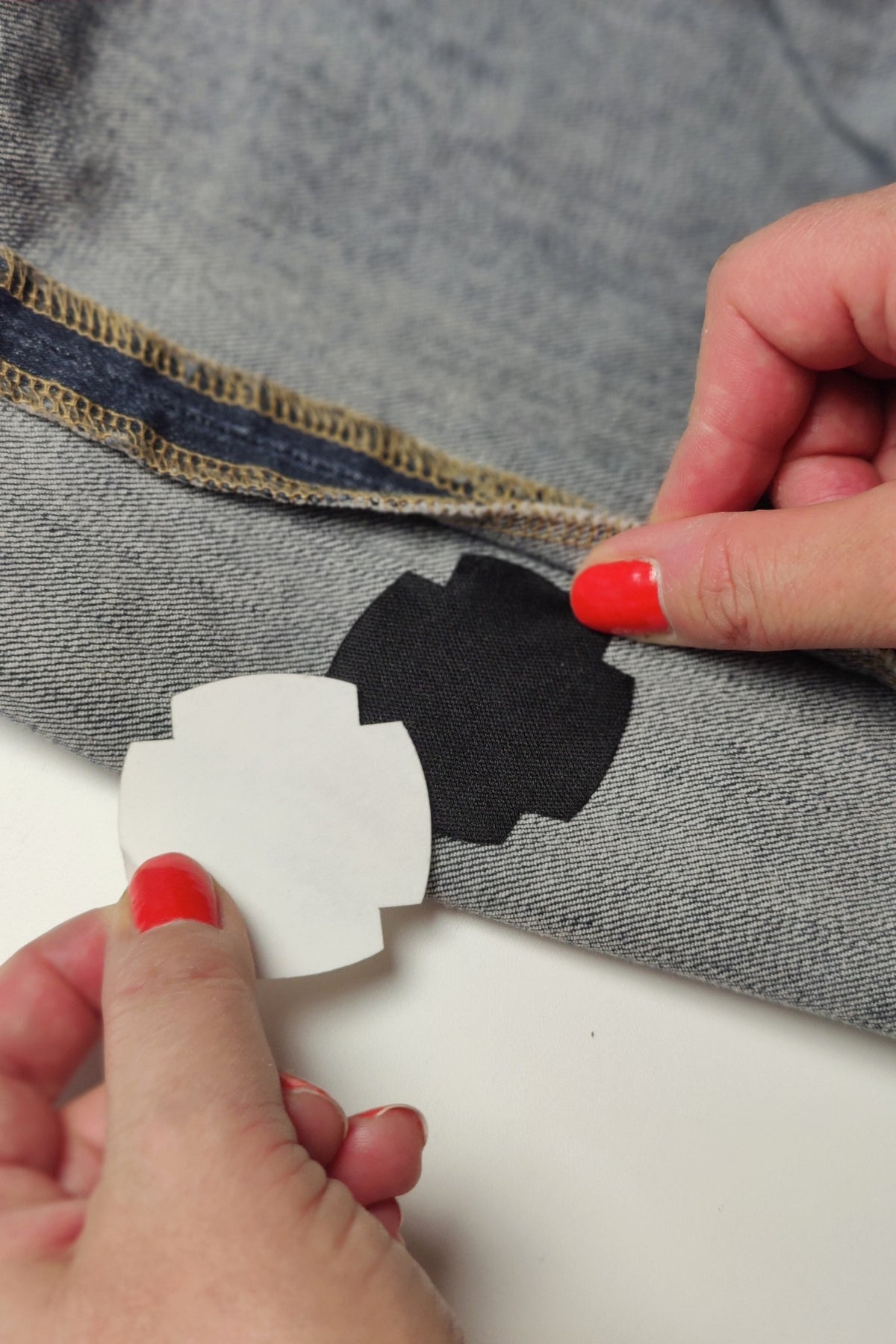
FabPatch™ is applied to clean, dry fabric by rubbing. No needle, thread or iron is needed. This makes repairing especially convenient in everyday family life: you can make a repair at home, at the cottage or even in the middle of playtime without any special repair tools.
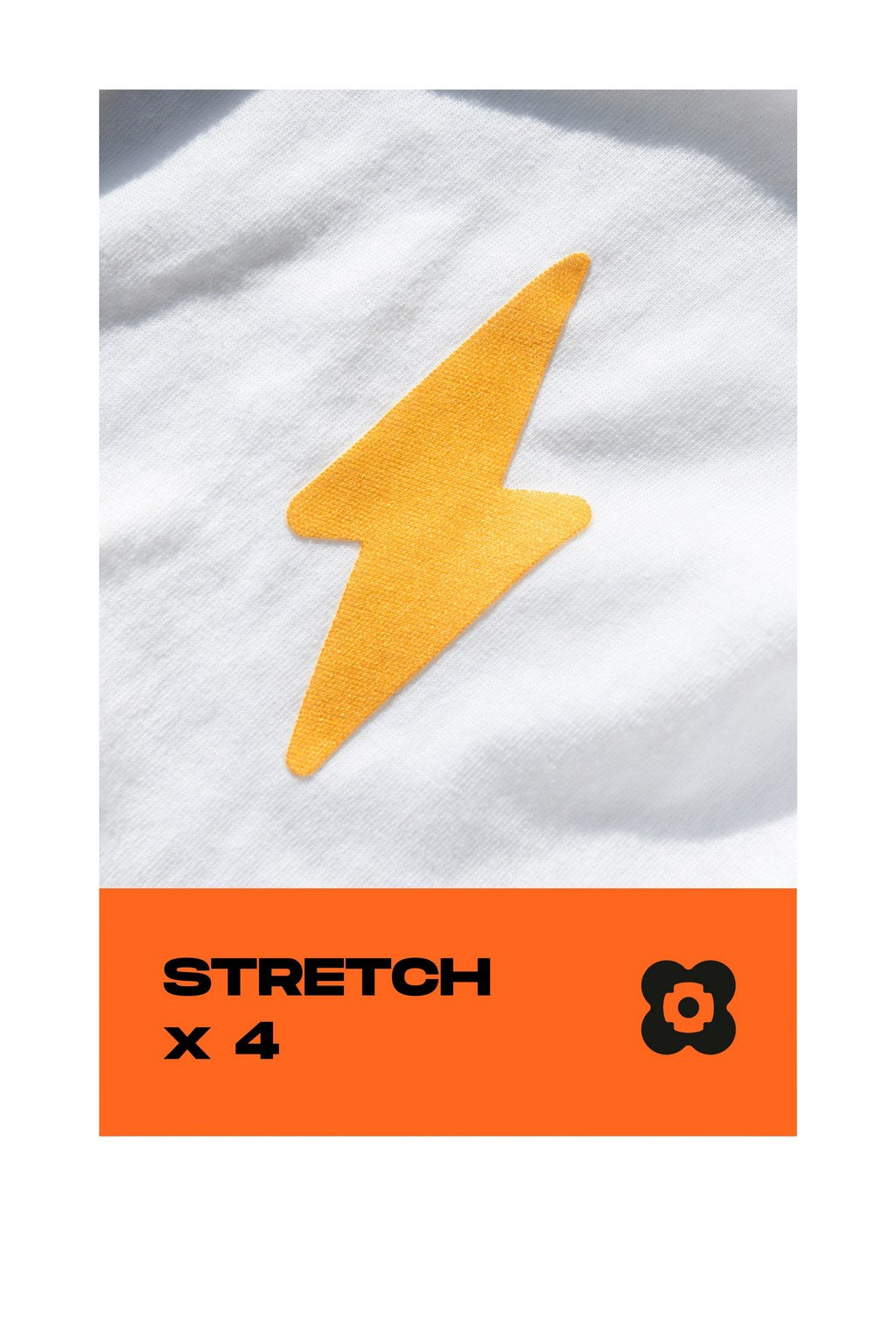
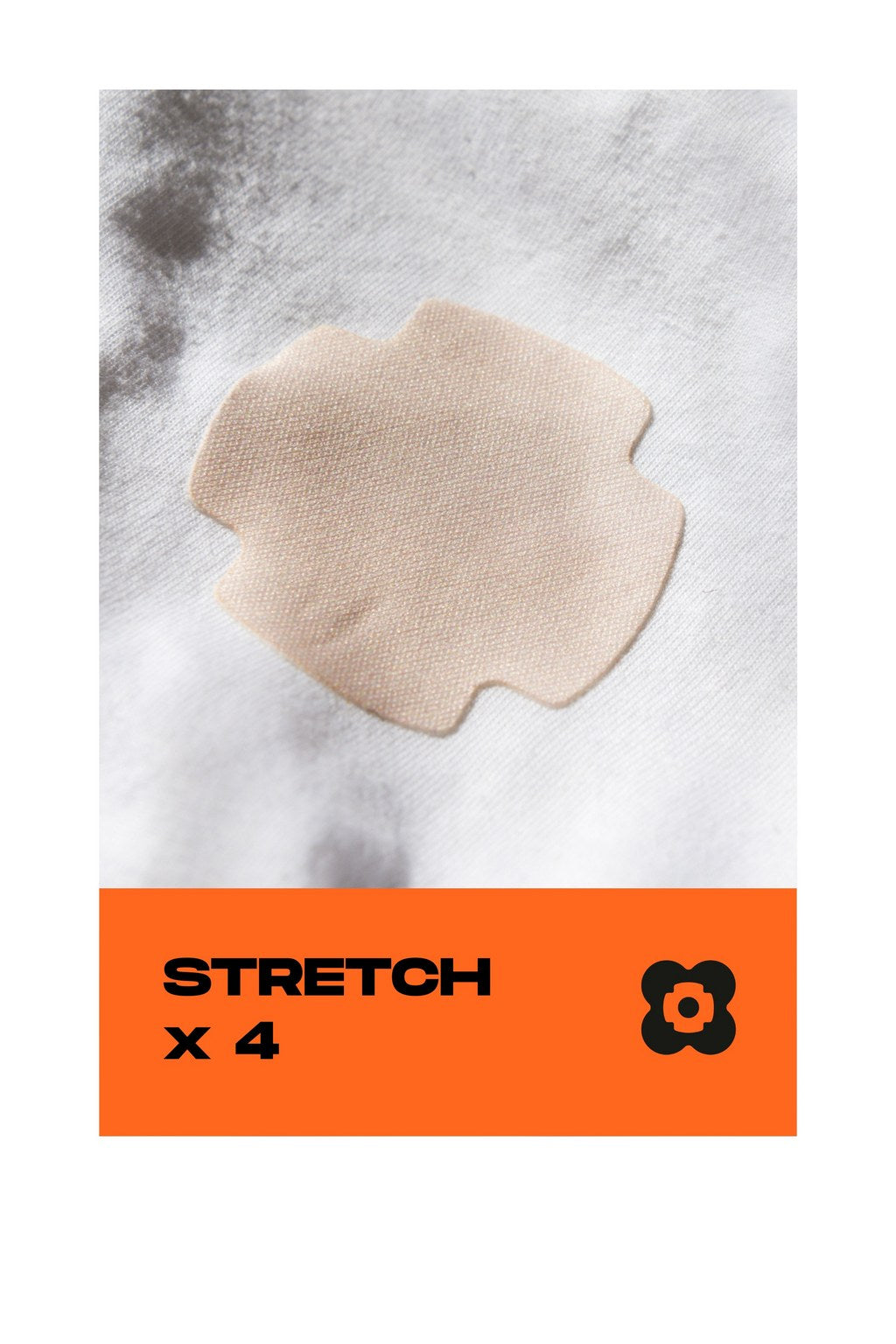
Before patching, always check what material the garment is made from and choose a suitable patch. For example, on stretchy kids’ clothes, the soft Stretch FabPatch™ adapts to the garment as it moves. And there’s rarely a shortage of movement when it comes to kids’ clothes!
How to repair a large or small hole in pants
When the first small hole appears at the knee, don’t wait until the next outdoor adventure. The knee is exactly the kind of area where minor damage can quickly become much bigger.
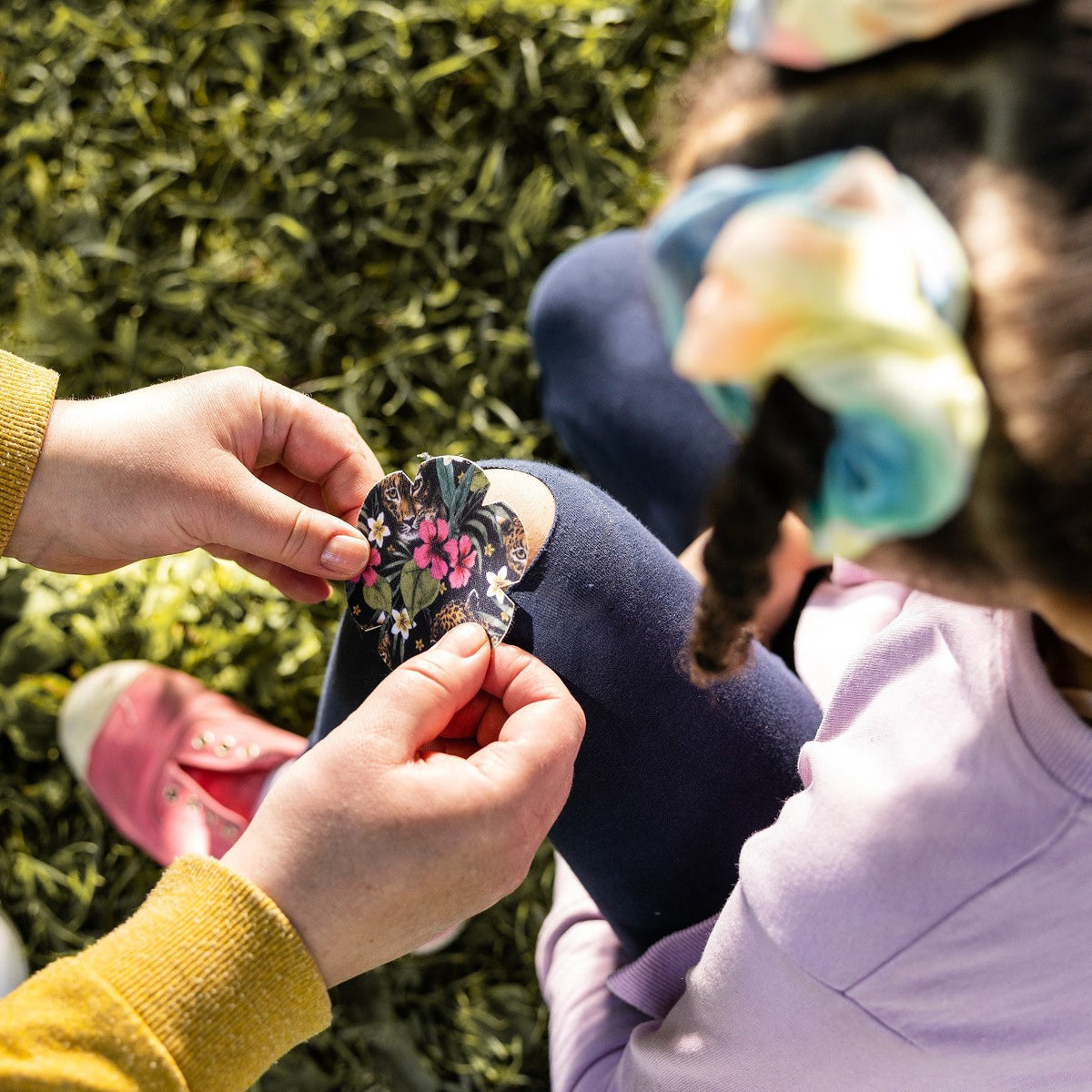
Start the repair by washing the garment if possible. Then place a sufficiently large FabPatch™ over the hole and attach it by rubbing according to the instructions on the package. The edges of the patch should extend well onto intact fabric.
If the fabric around the hole already looks worn, choose a slightly larger patch. This will also reinforce the area that would probably be next in line to wear through.
What if there is already a large hole in the pants? Repairing a large hole works a little differently. If you cannot neatly pinch the edges of the hole together, place a piece of fabric or another FabPatch™ on the inside of the pants behind the hole. This prevents the adhesive surface of the top patch from remaining exposed at the hole and sticking, for example, to the skin or another layer of clothing underneath. If a little adhesive does remain exposed, it will usually collect lint fairly quickly during use, reducing its stickiness so that it generally no longer causes any inconvenience.
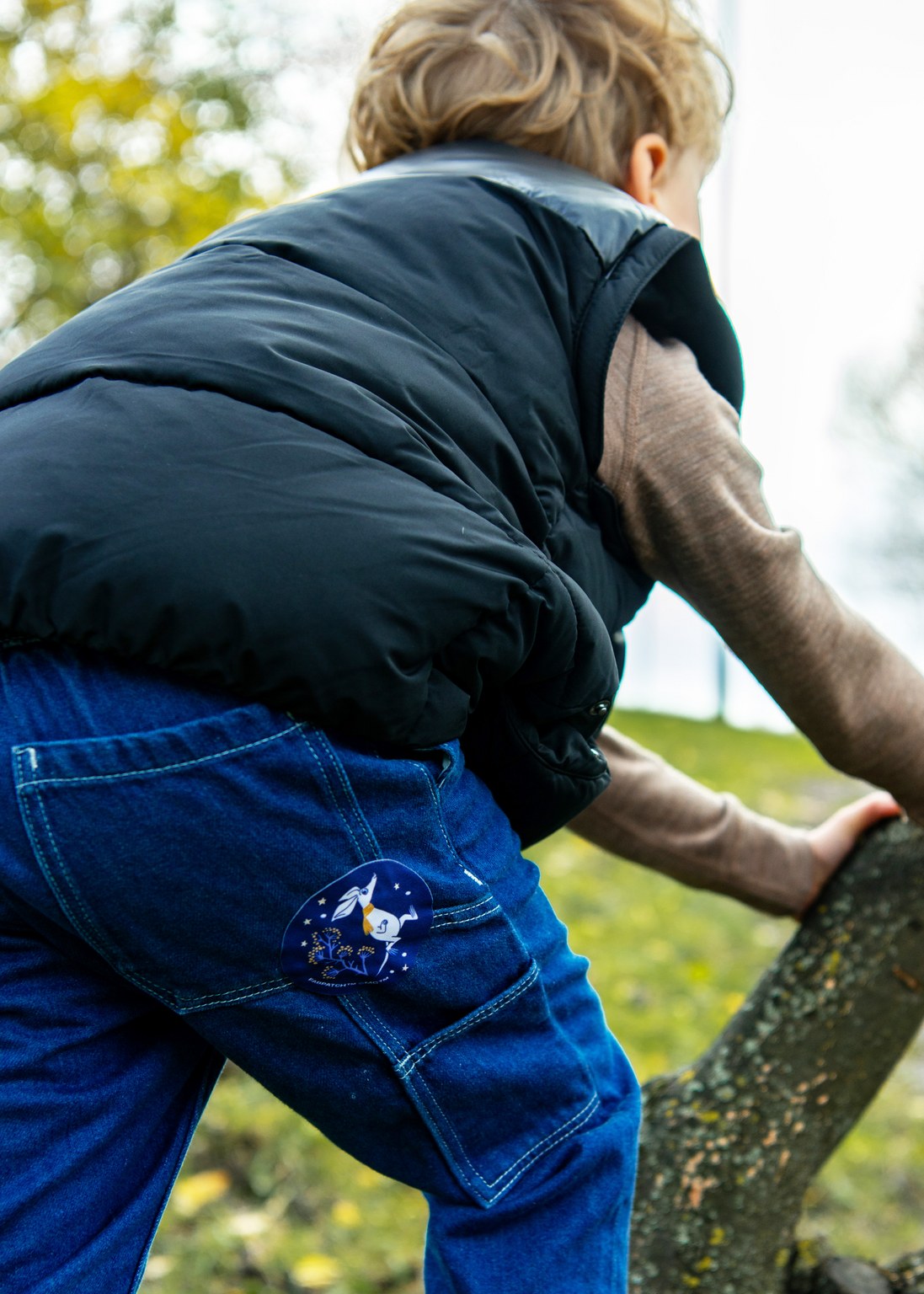
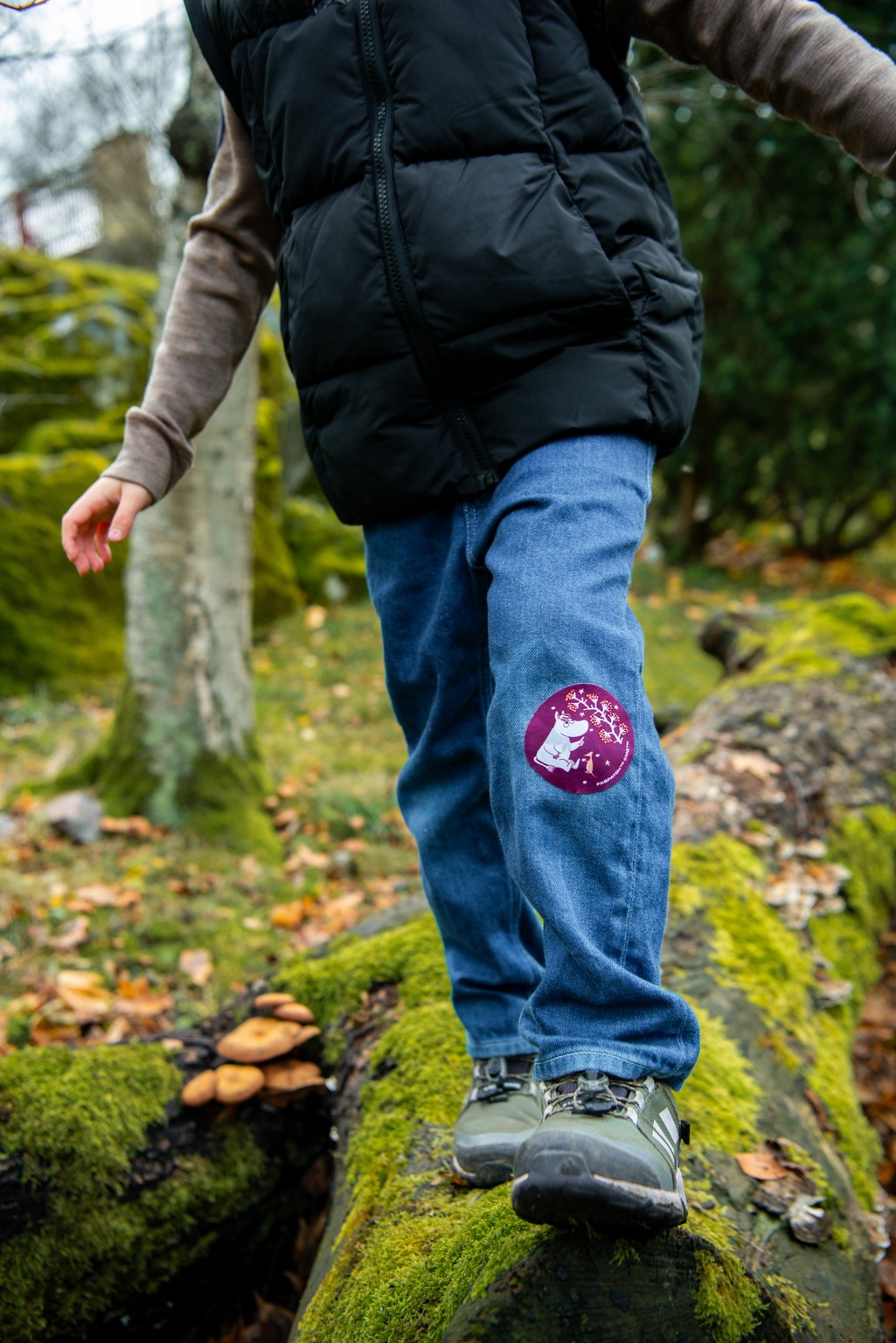
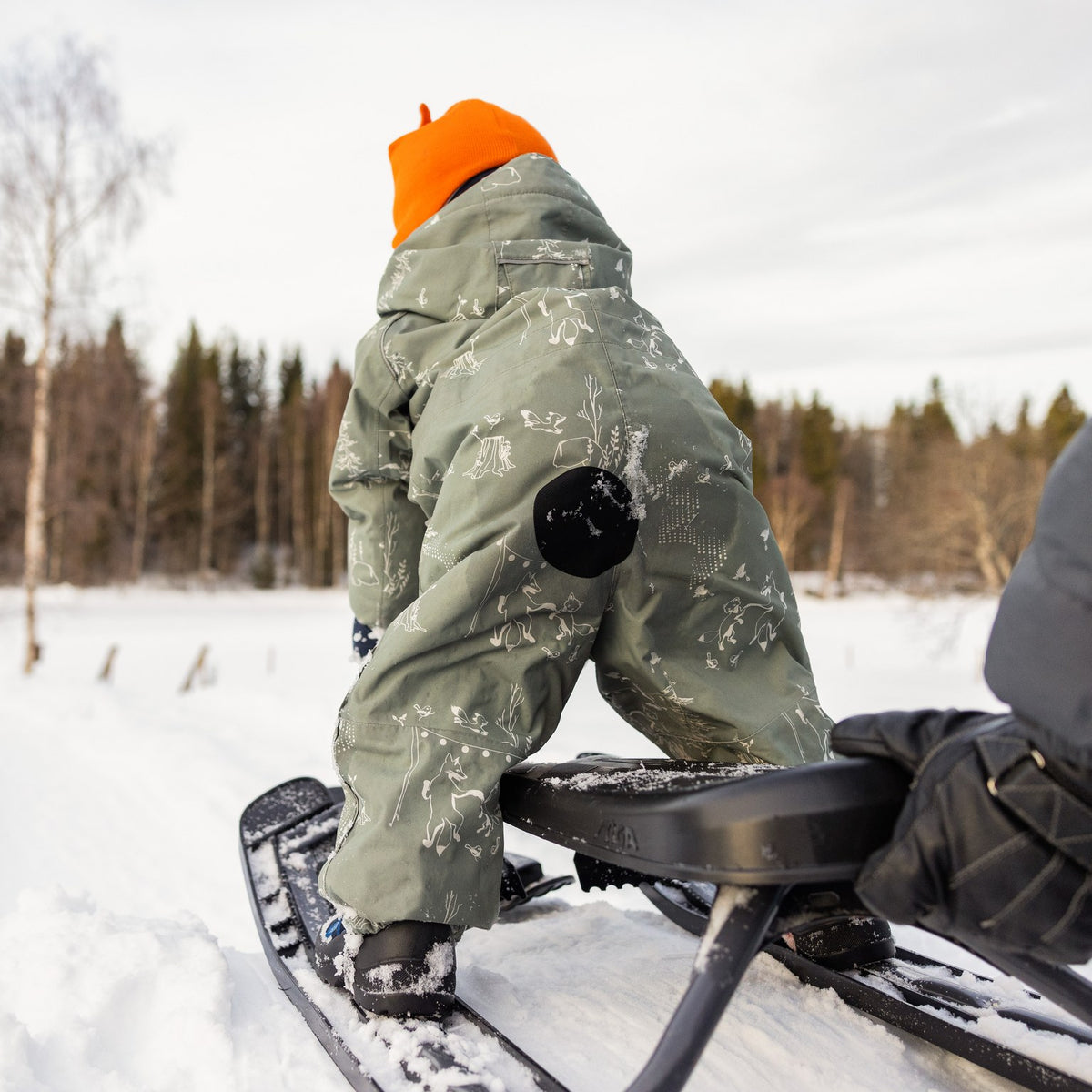
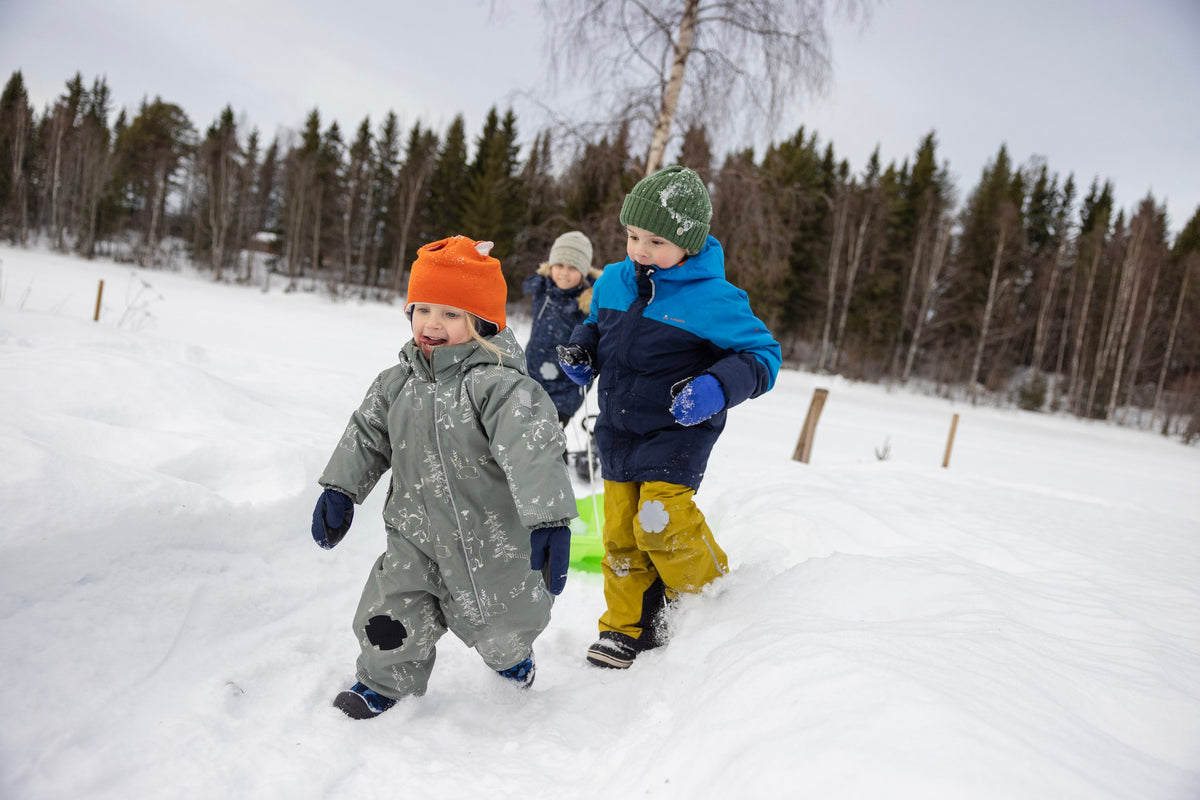
The patch doesn’t need to try to hide, either. On a knee, a colourful or patterned patch can look as though it had been part of the pants from the very beginning. Let your child choose their favourite – sometimes a hole can surprisingly quickly become the best part of the pants.


LUMO FabPatch
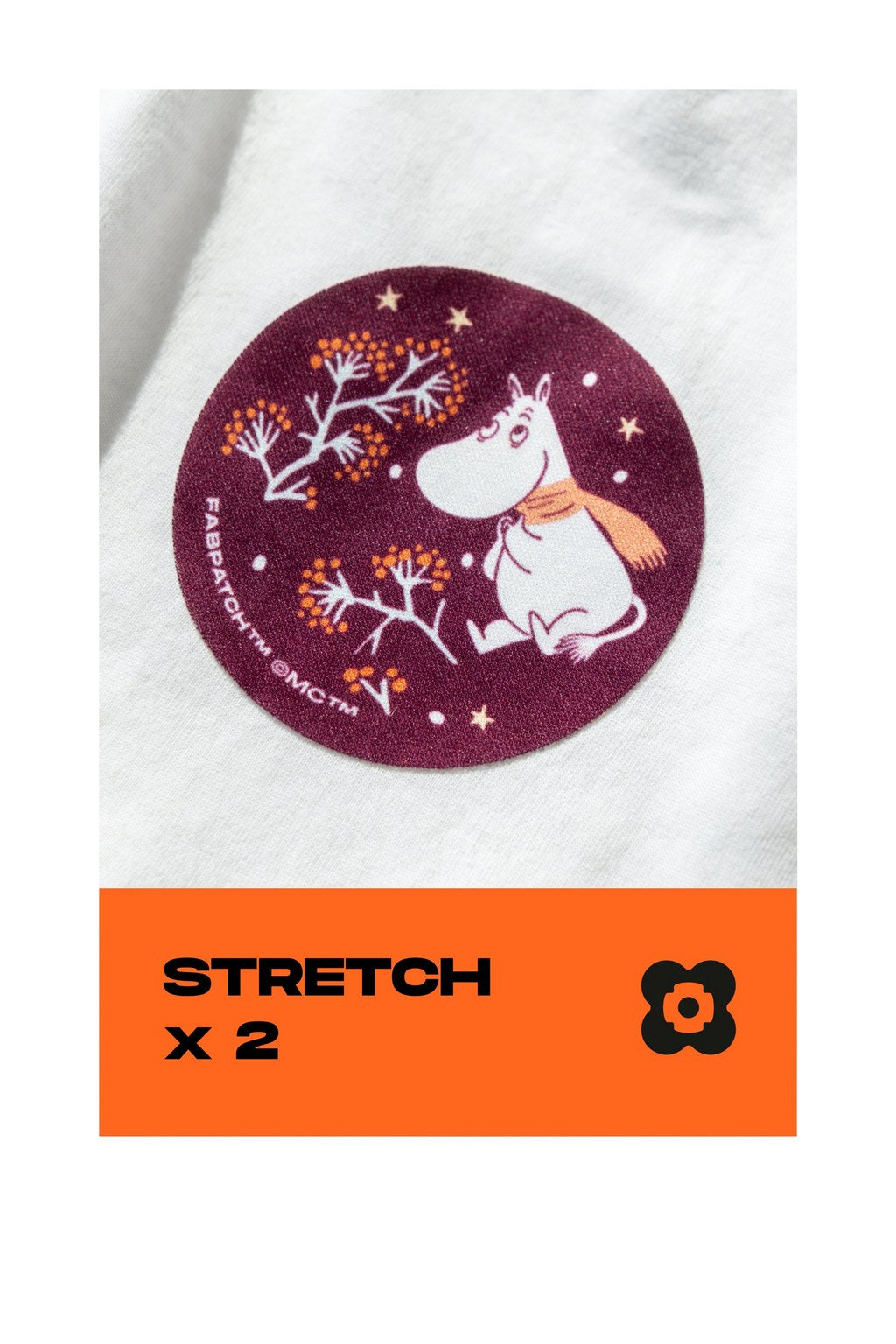
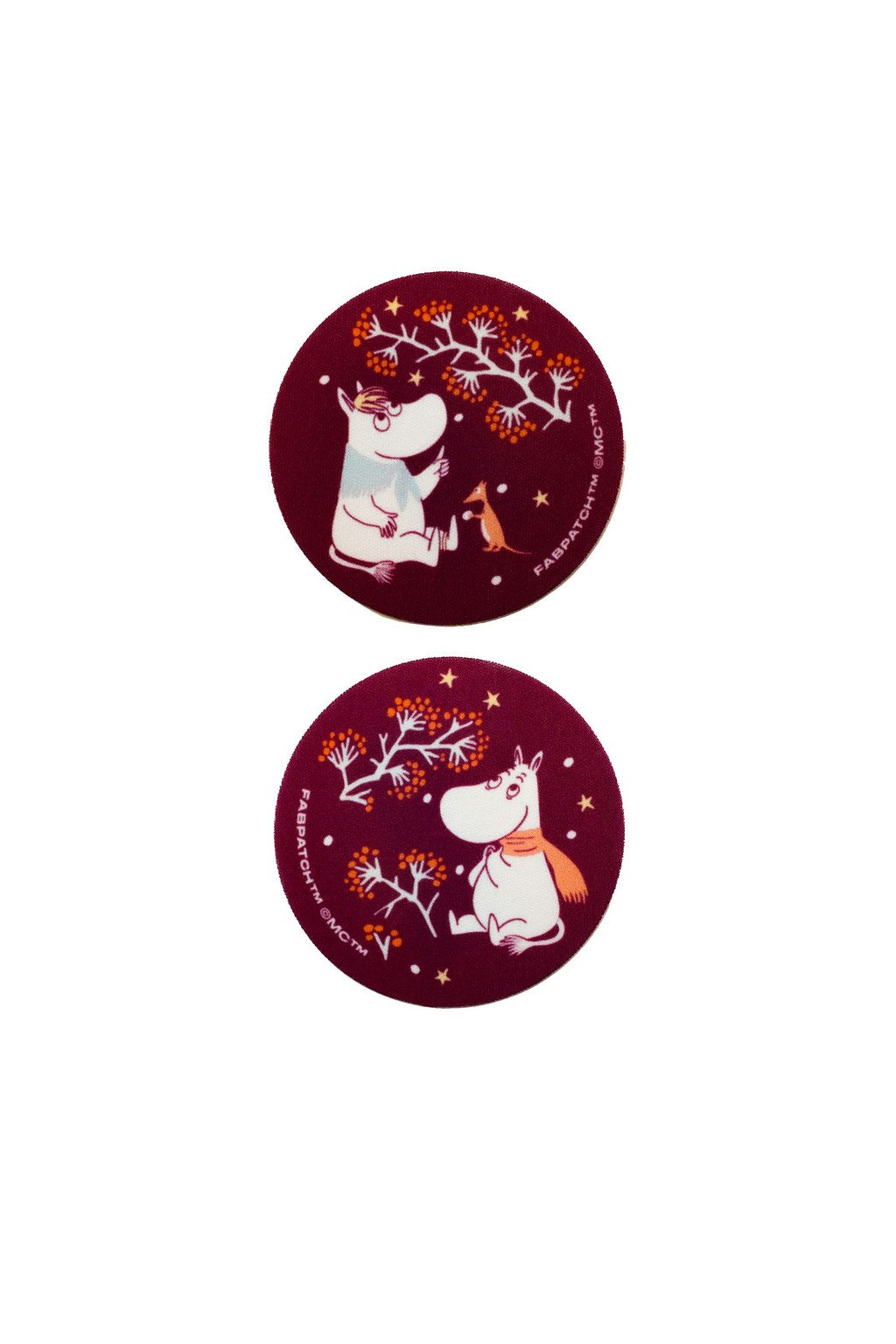
MOOMIN by FABPATCH Stargazing
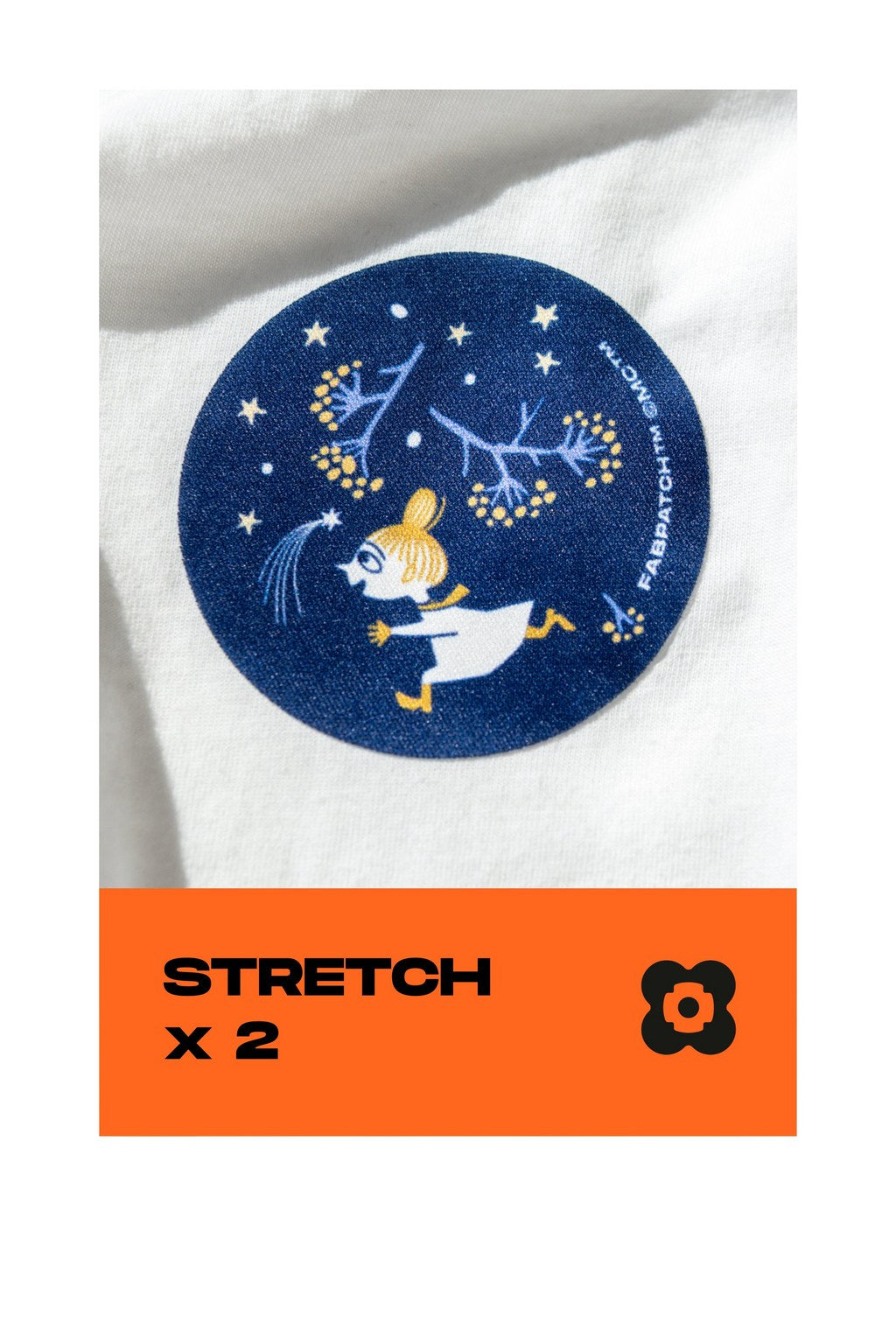
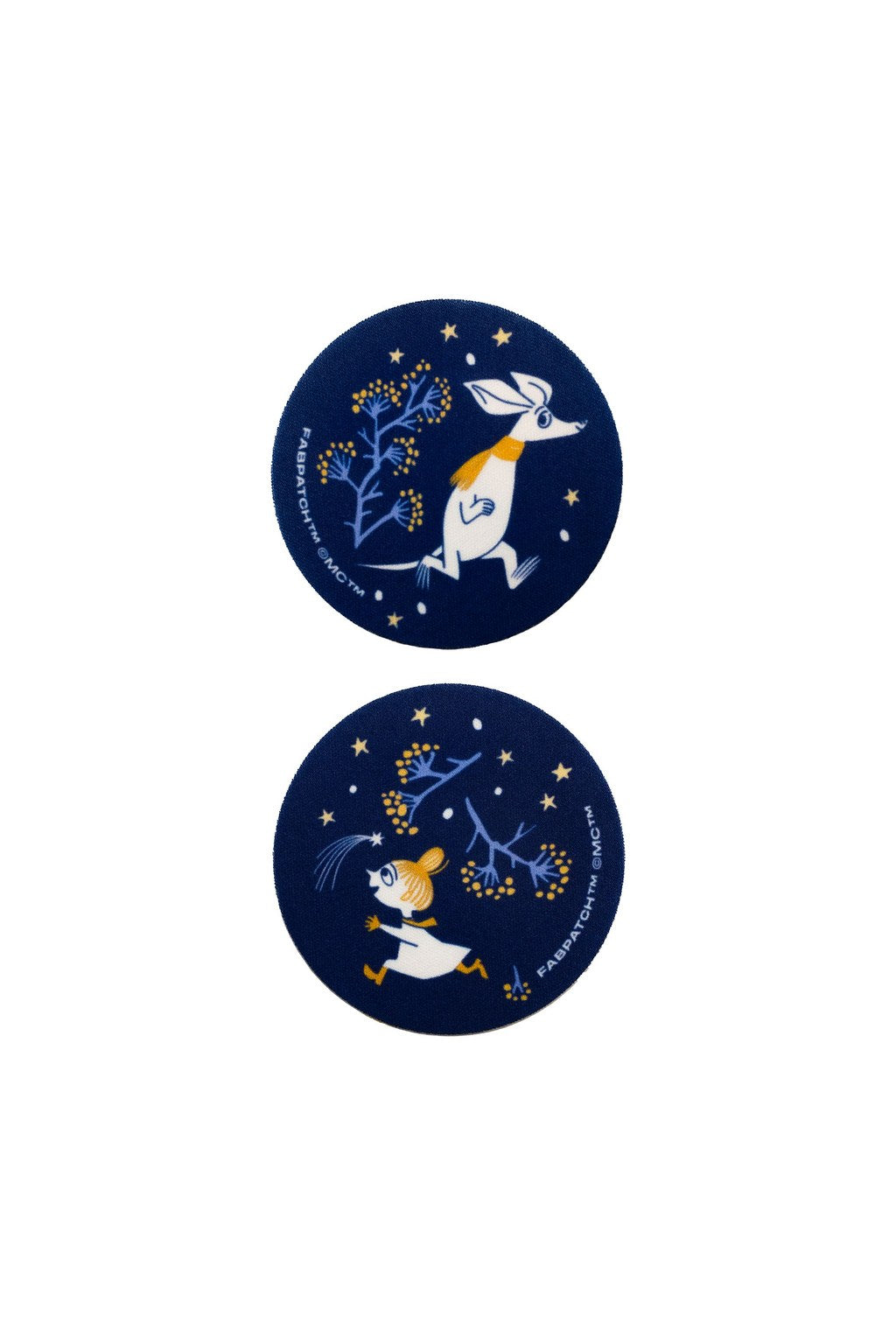
MOOMIN by FABPATCH Shooting star
YÖNMUSTA FabPatch
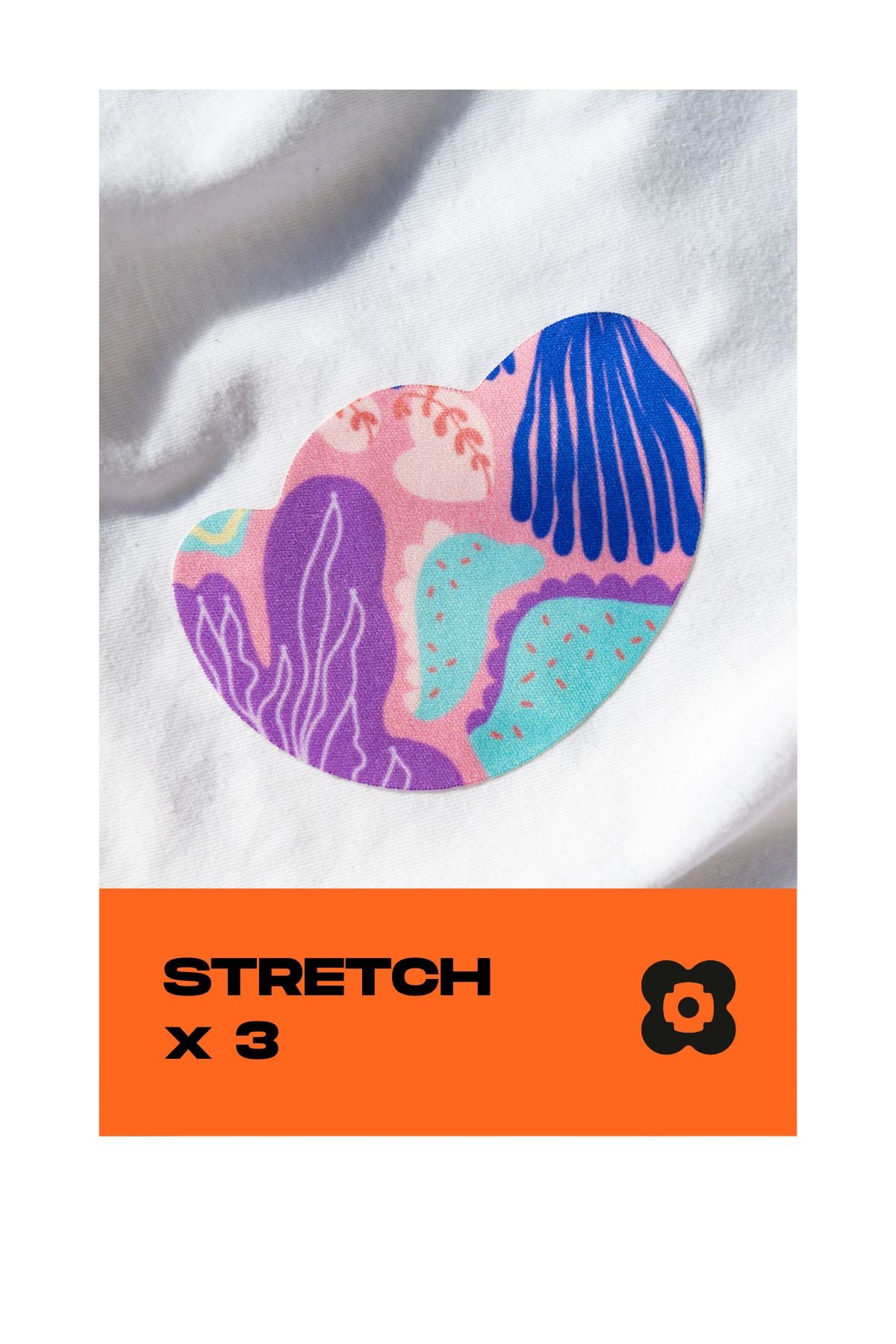
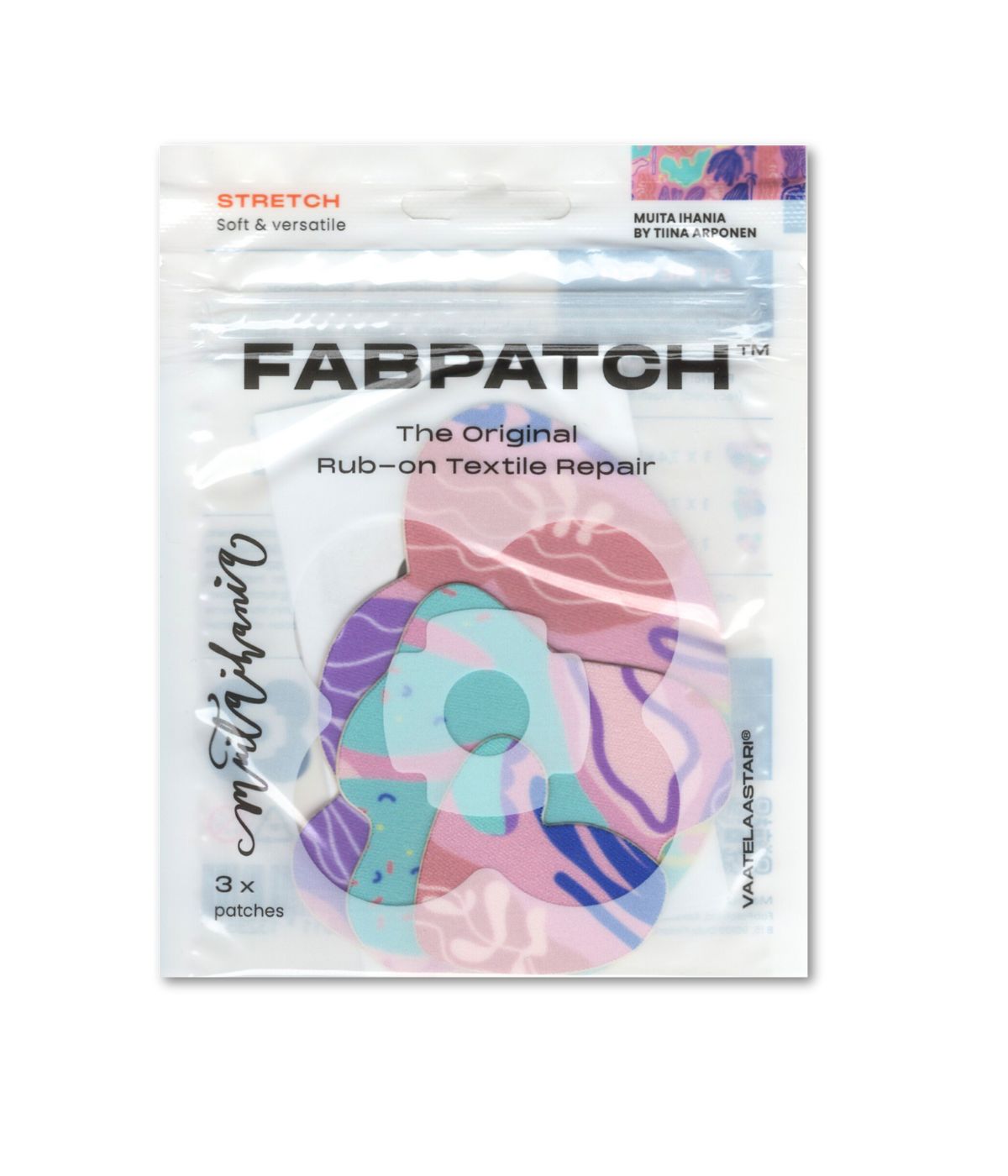
STRETCH Muita ihania
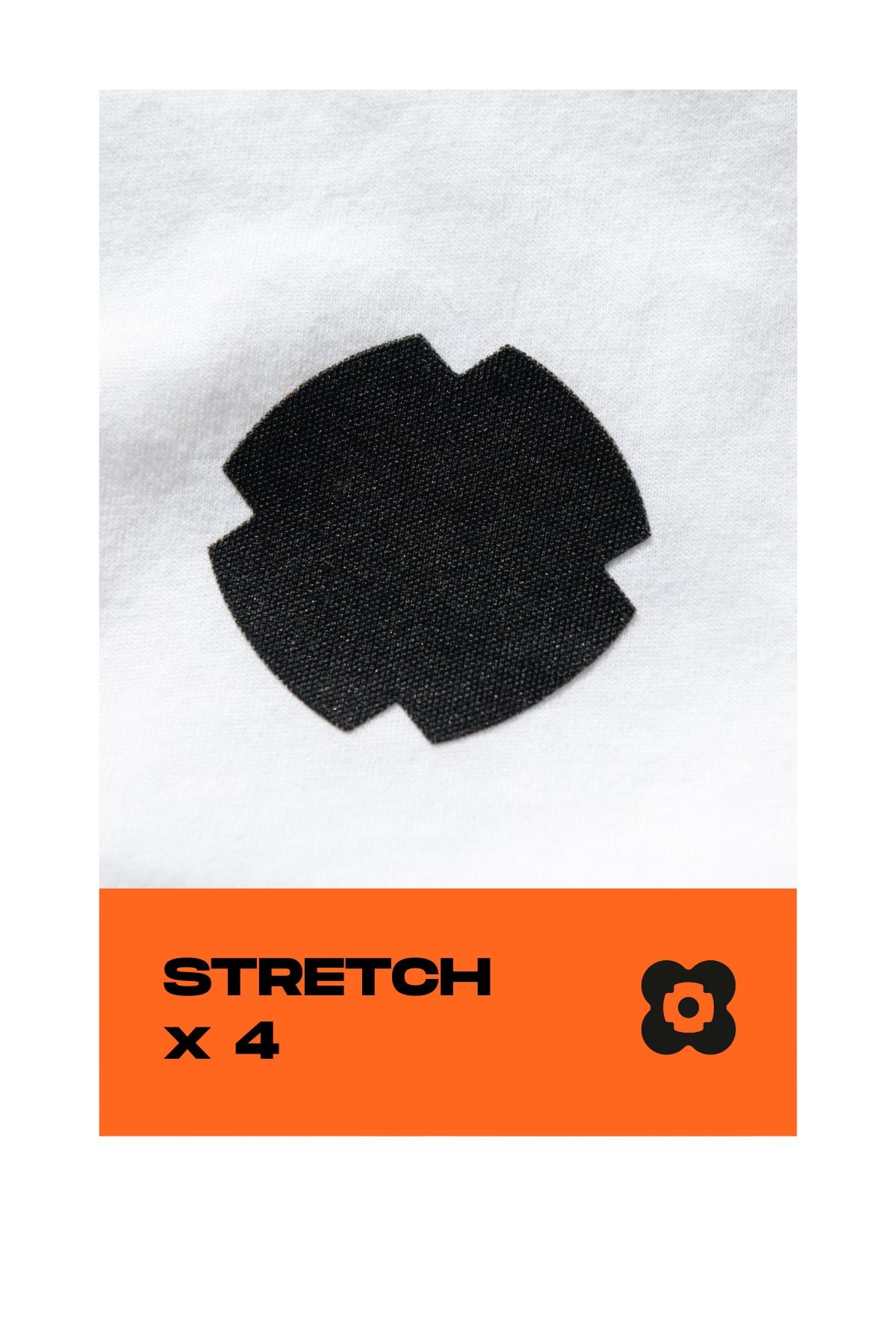
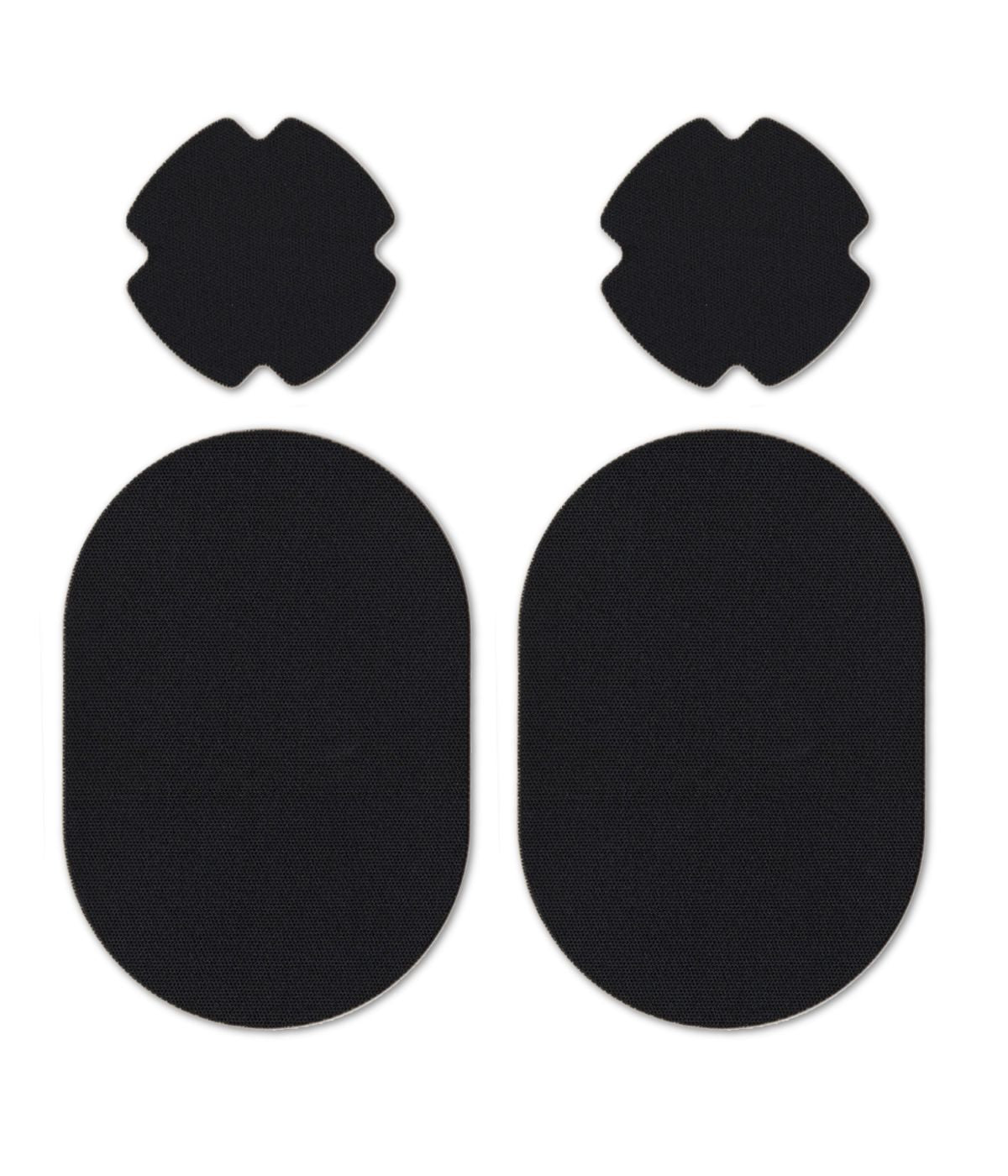
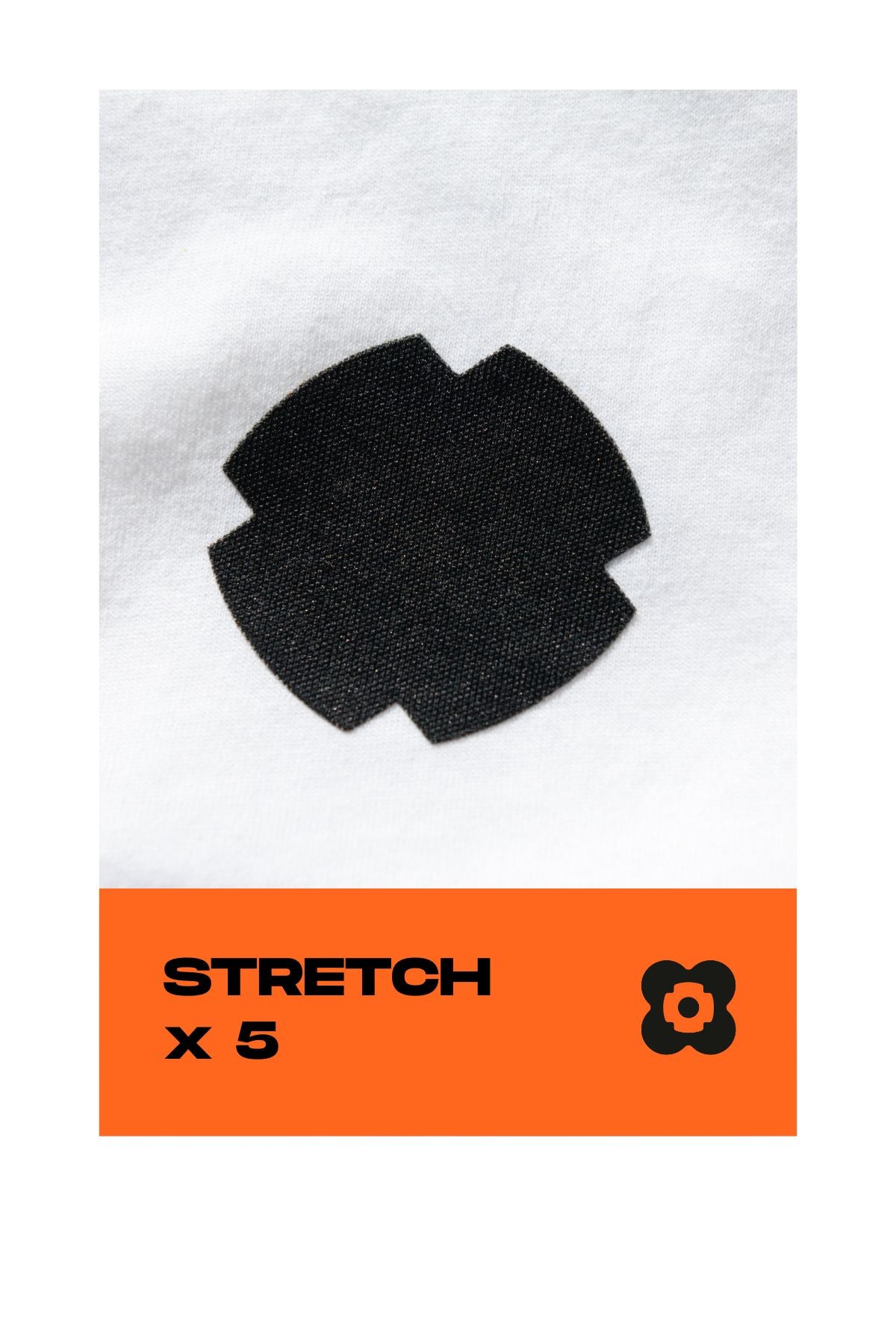
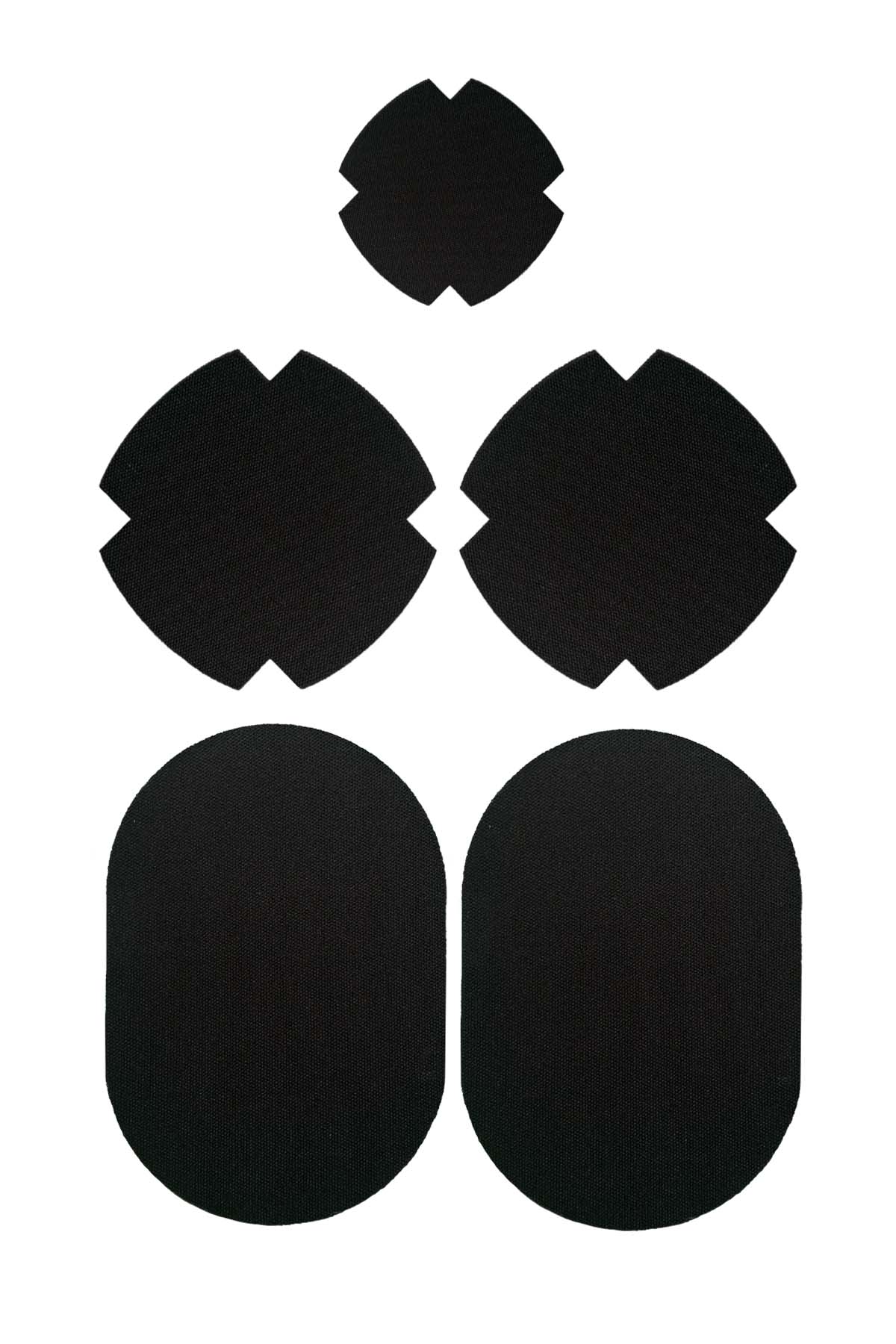
FABPATCH STRETCH Black
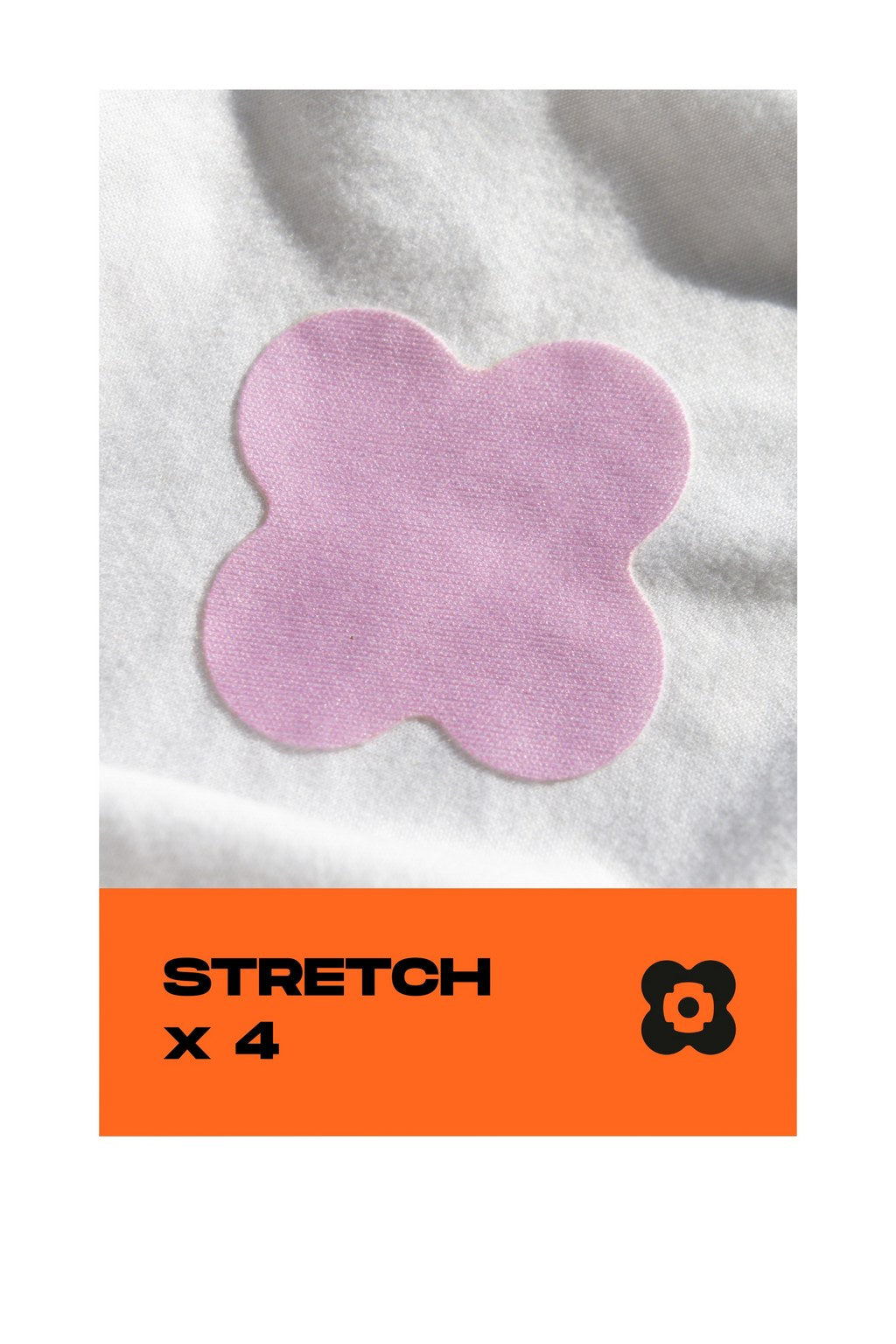
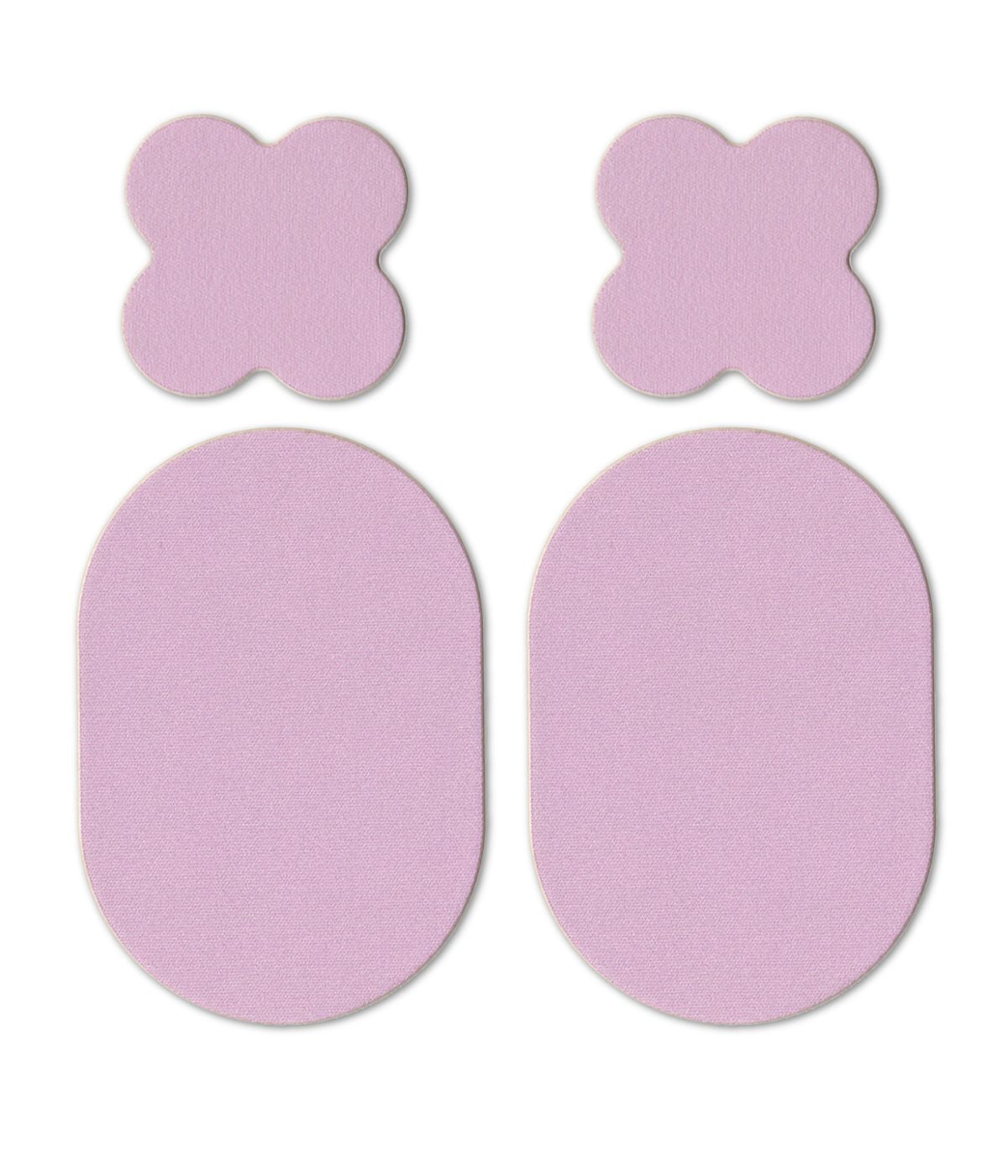
FABPATCH STRETCH Pink
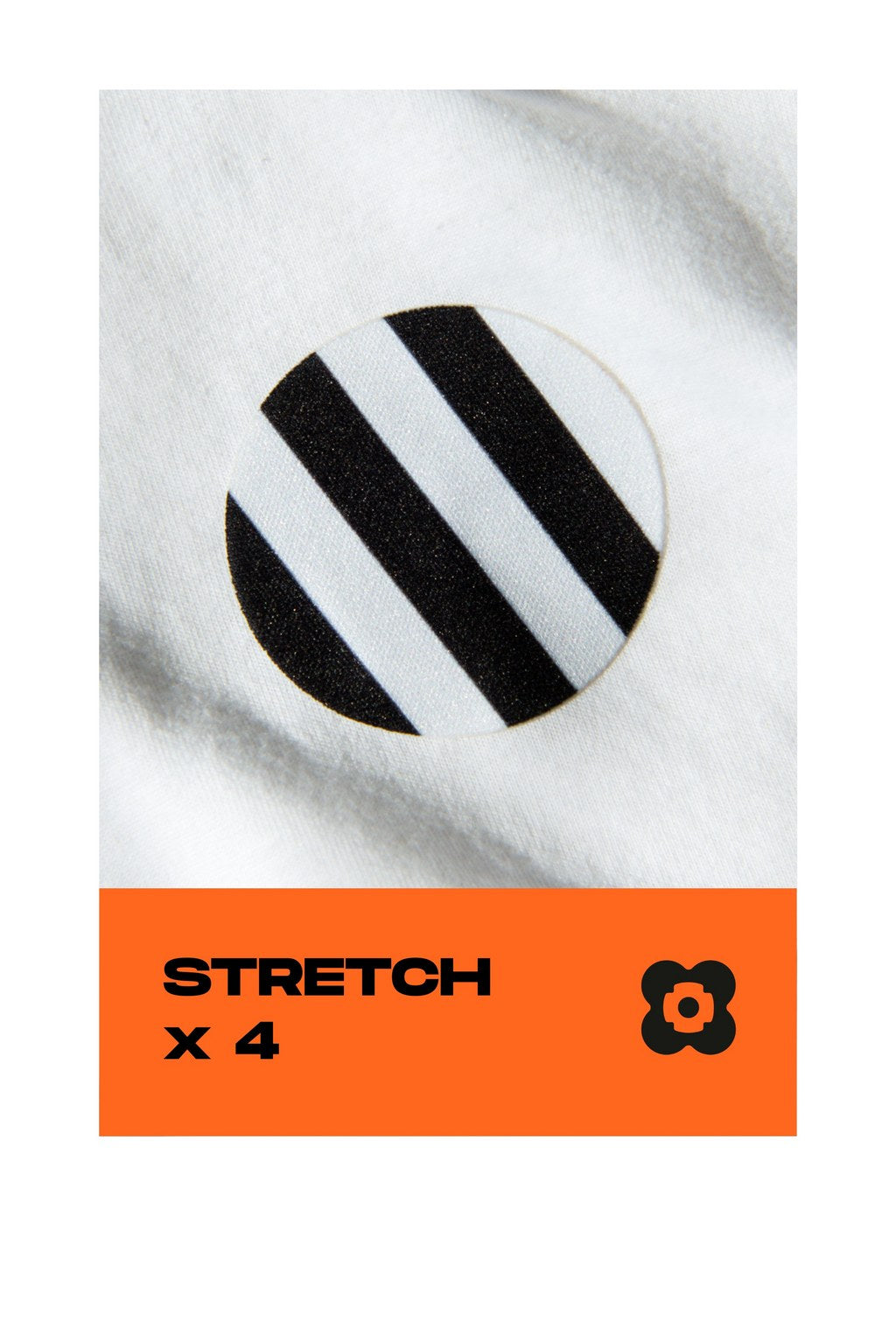
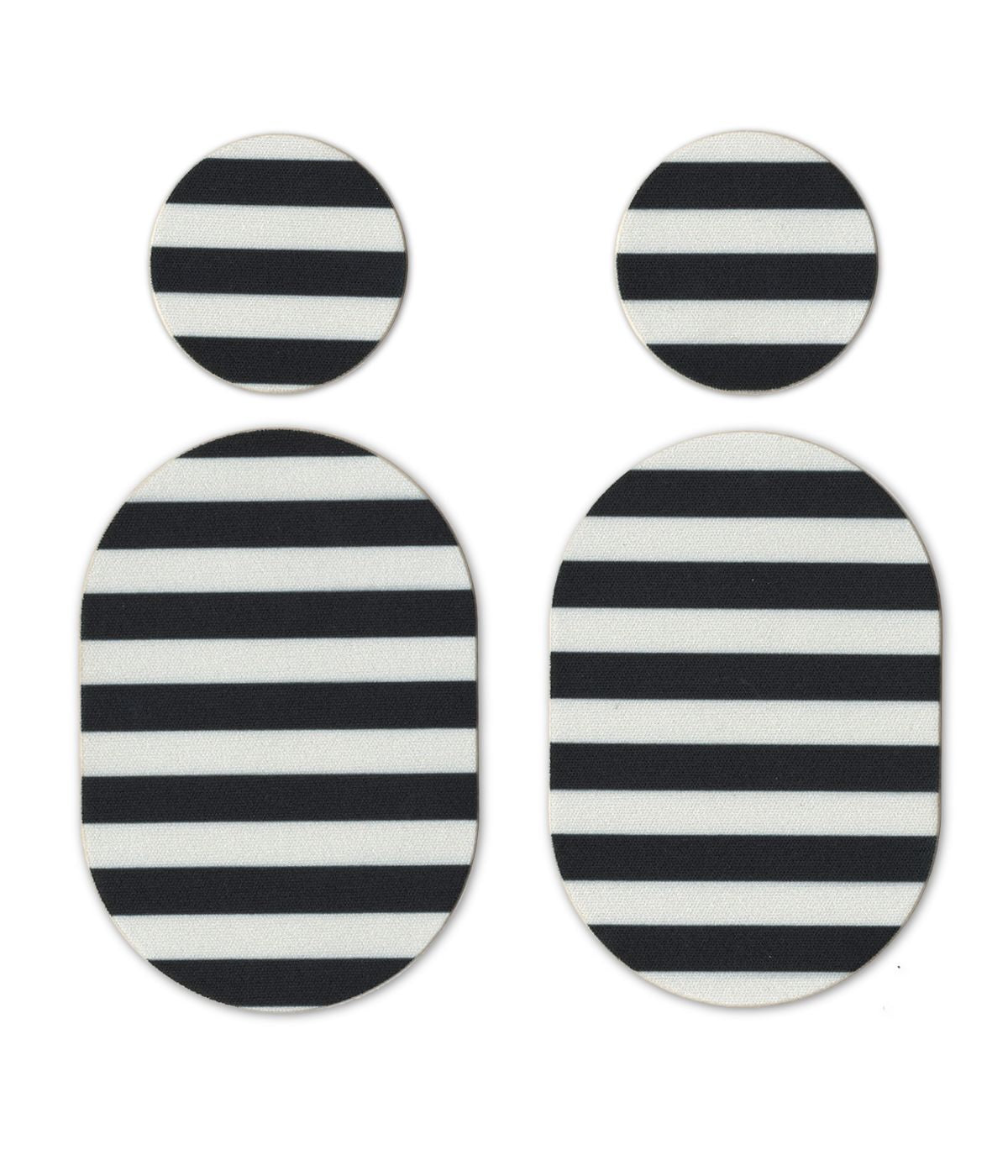
FABPATCH STRETCH Stripe
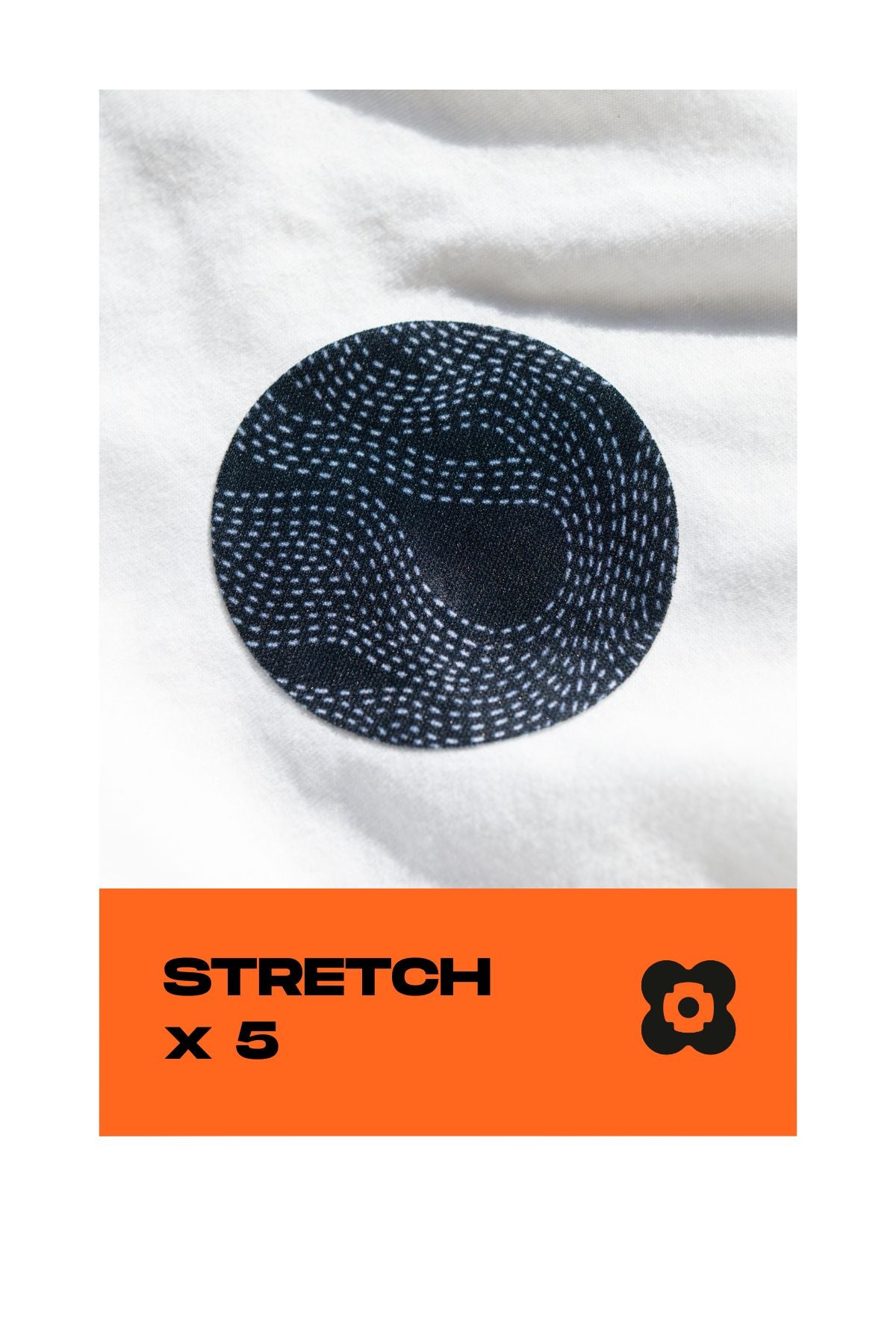
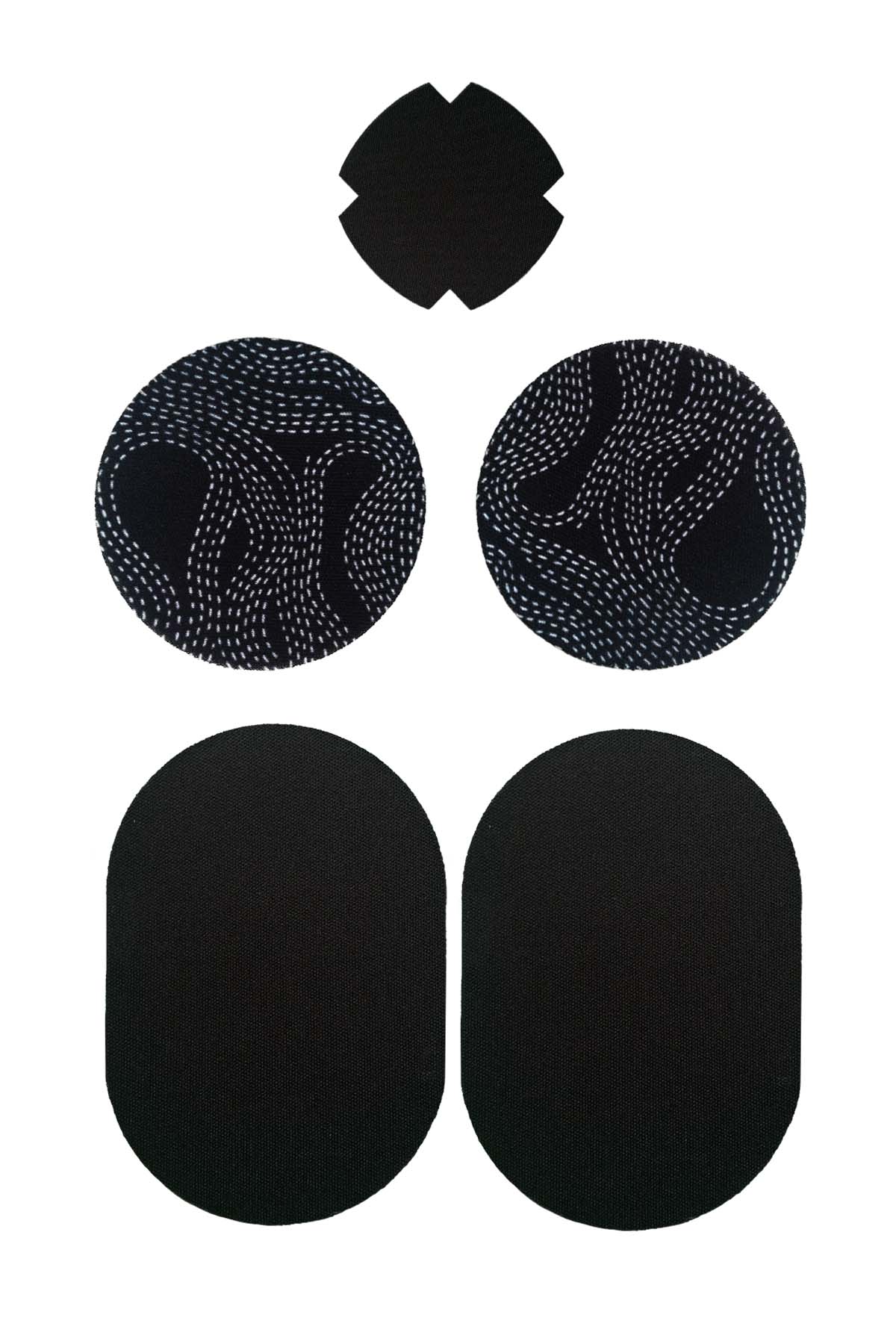
PINTA FabPatch
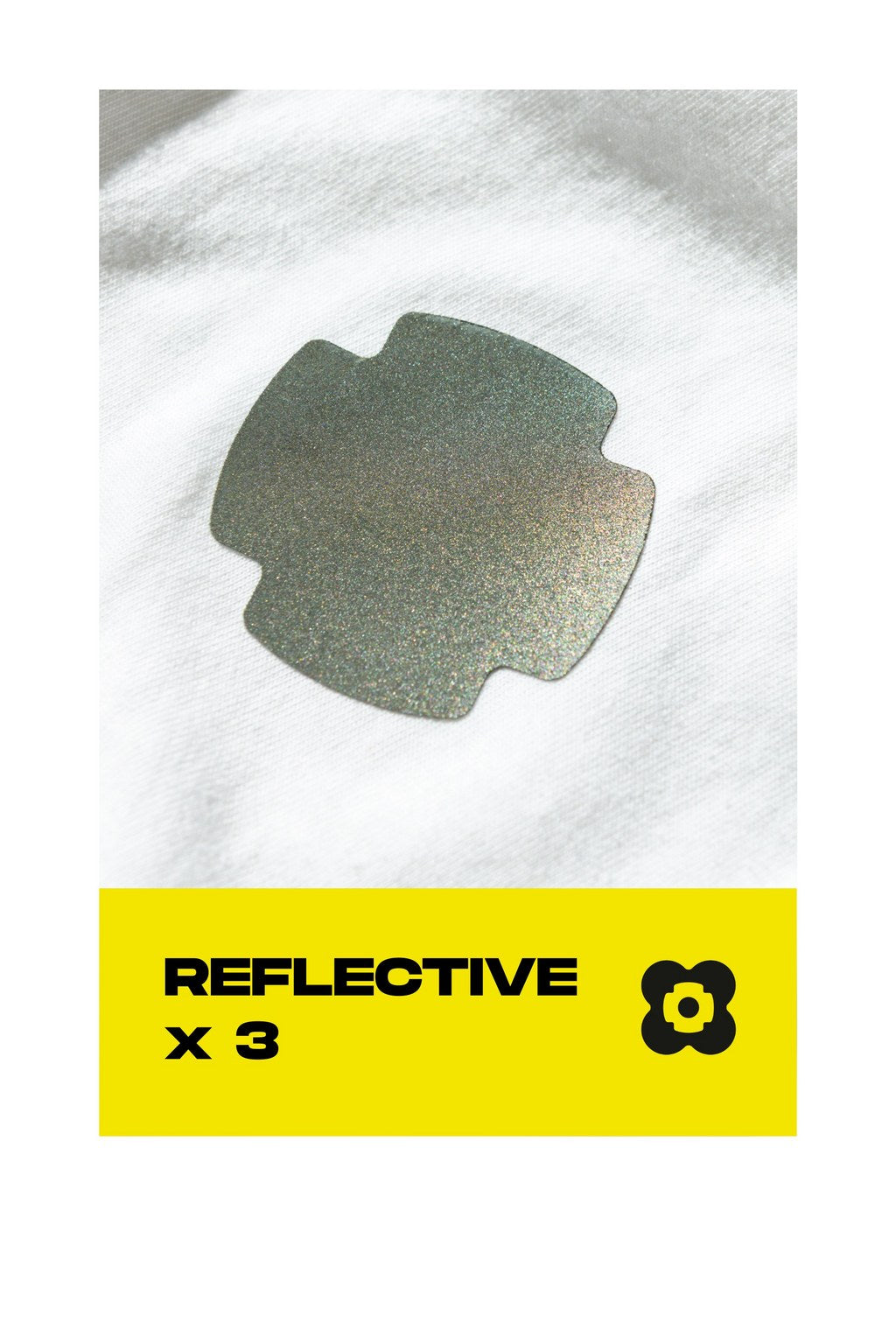
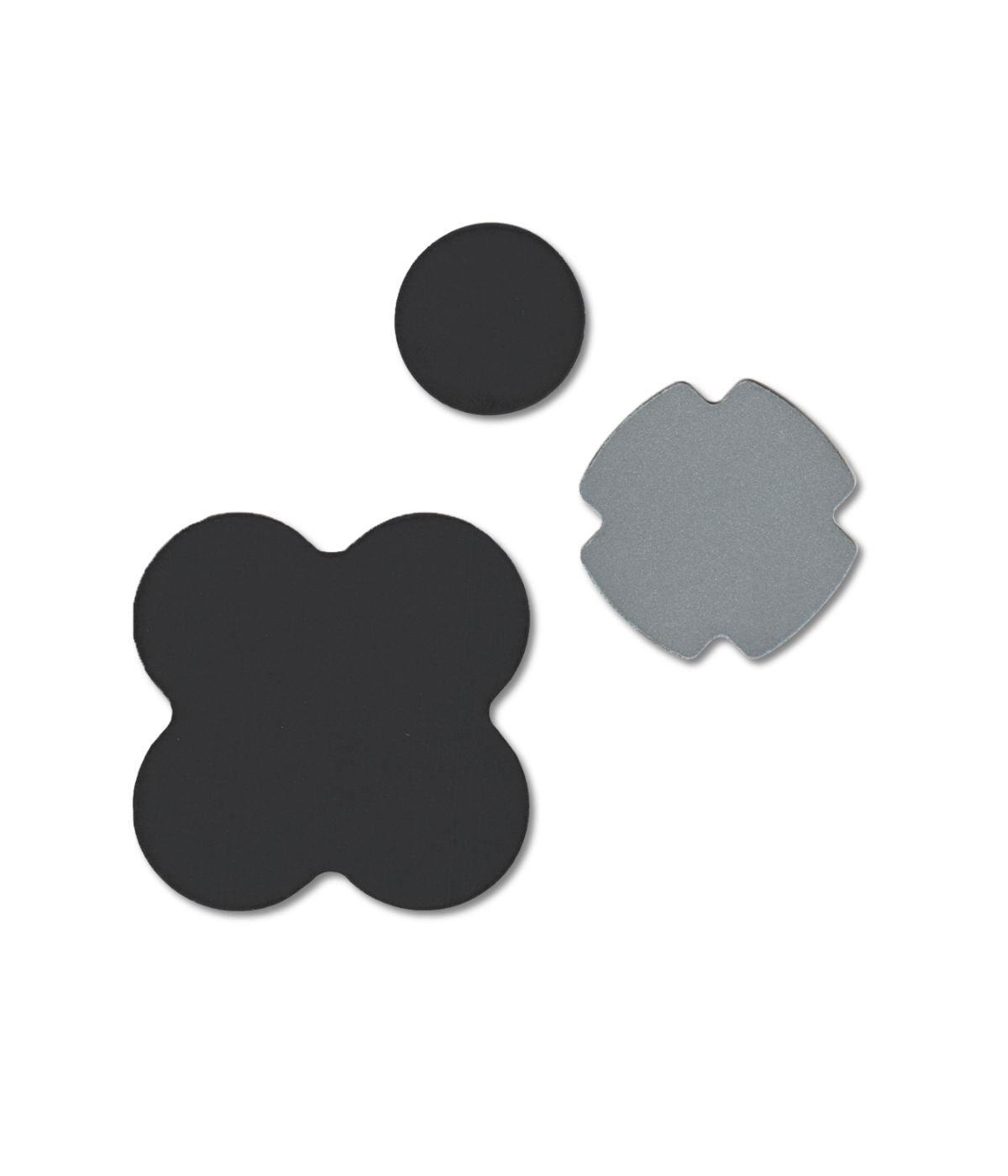
FABPATCH REFLECTIVE FabMix
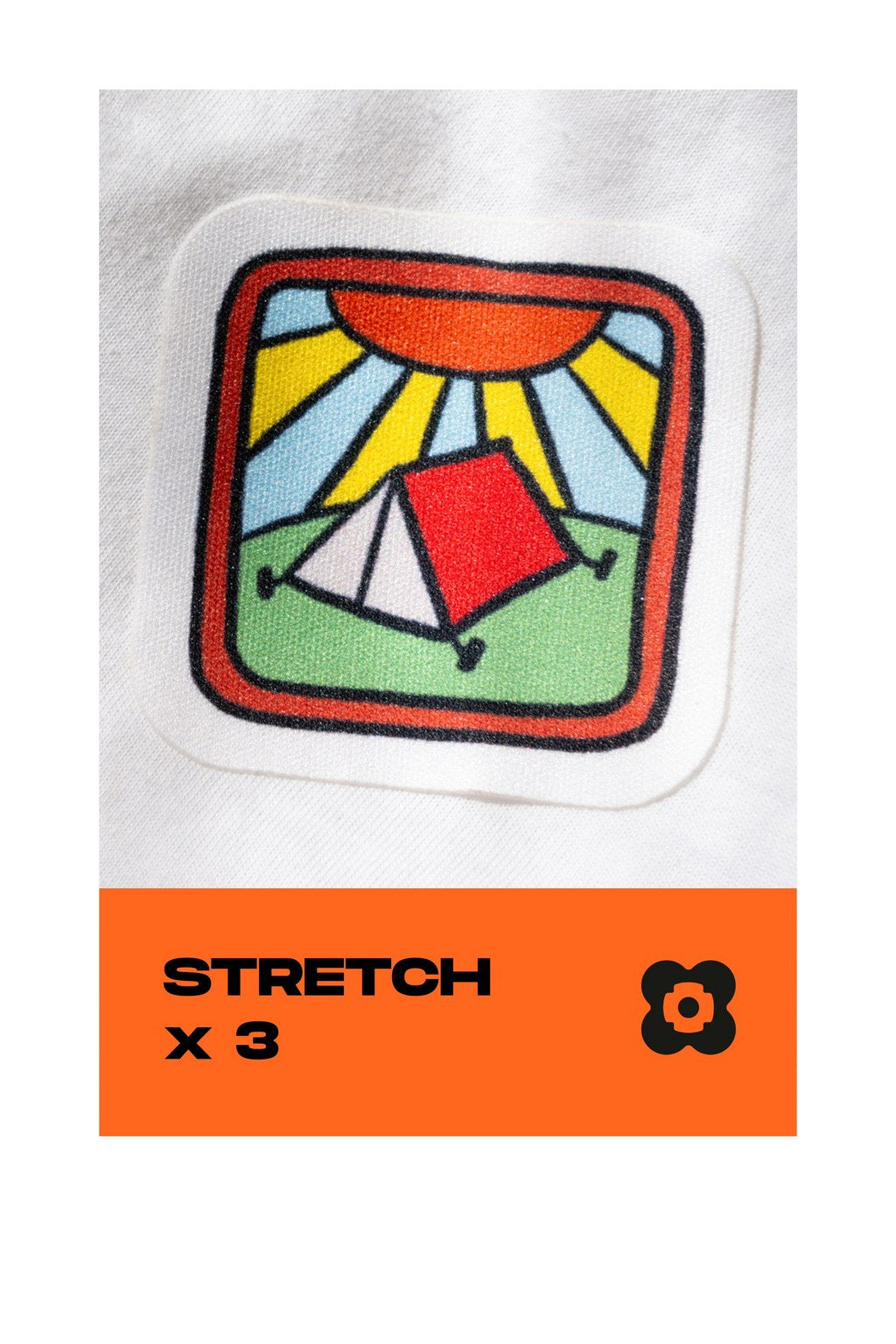
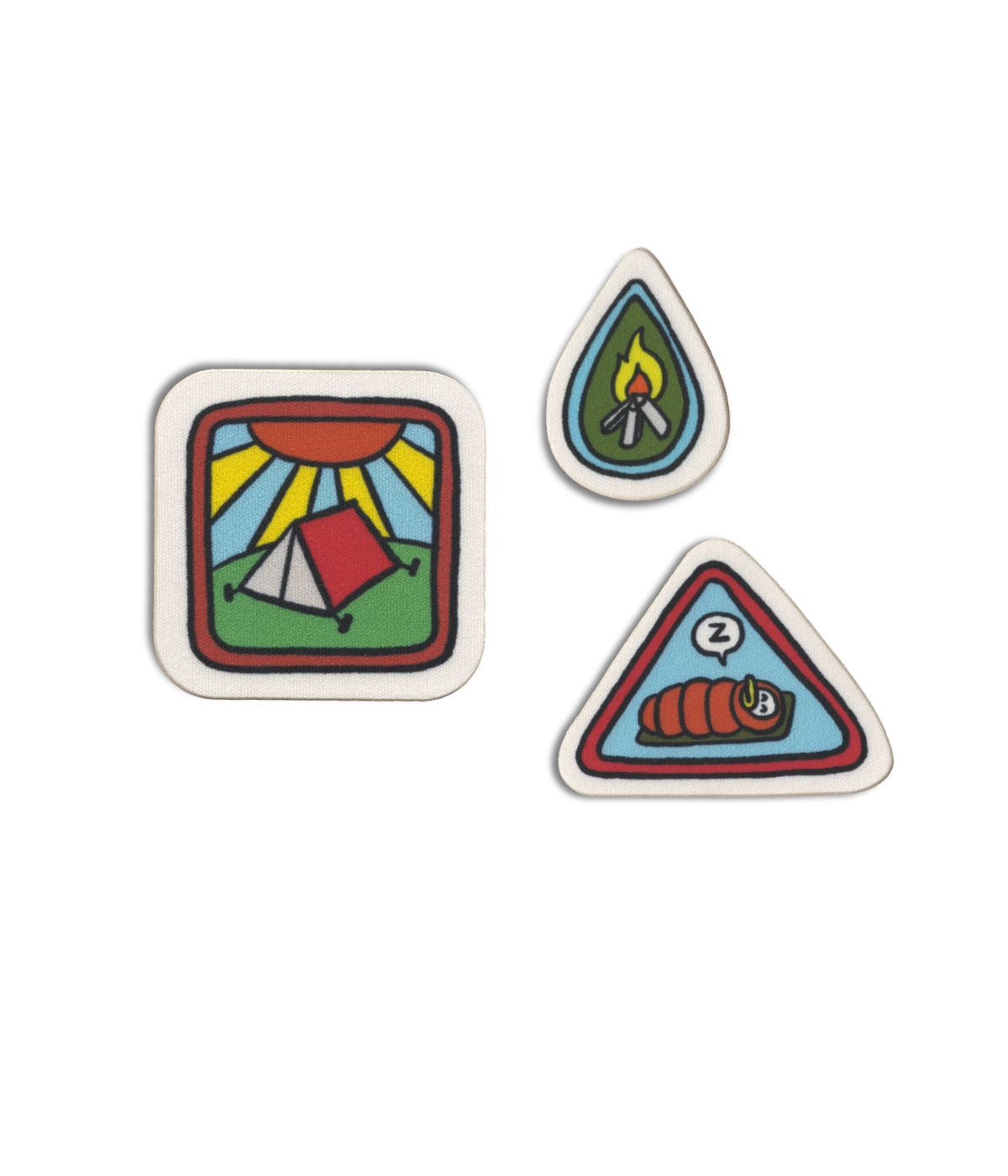
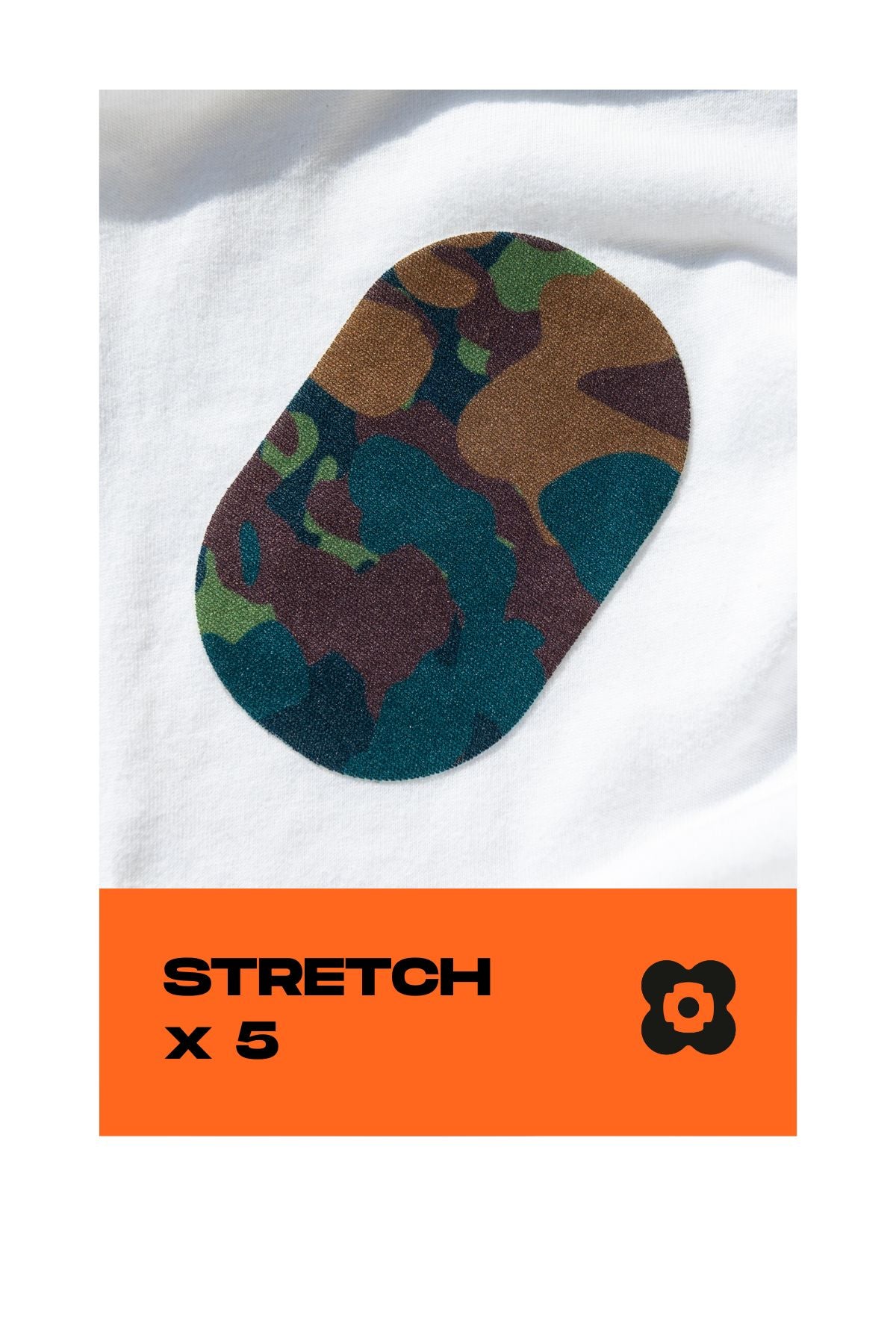
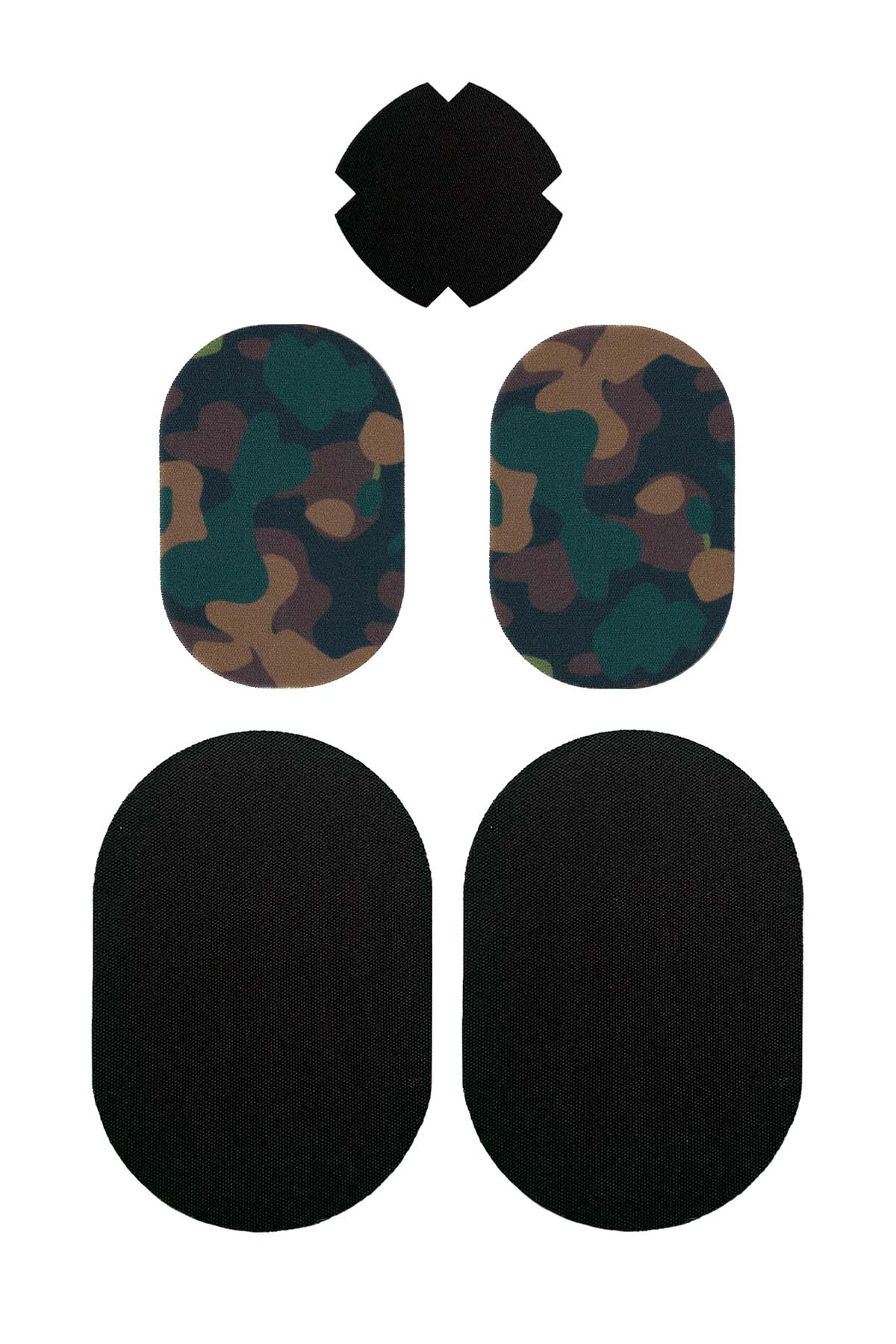
FABPATCH STRETCH Camp by Kaisa + Leka
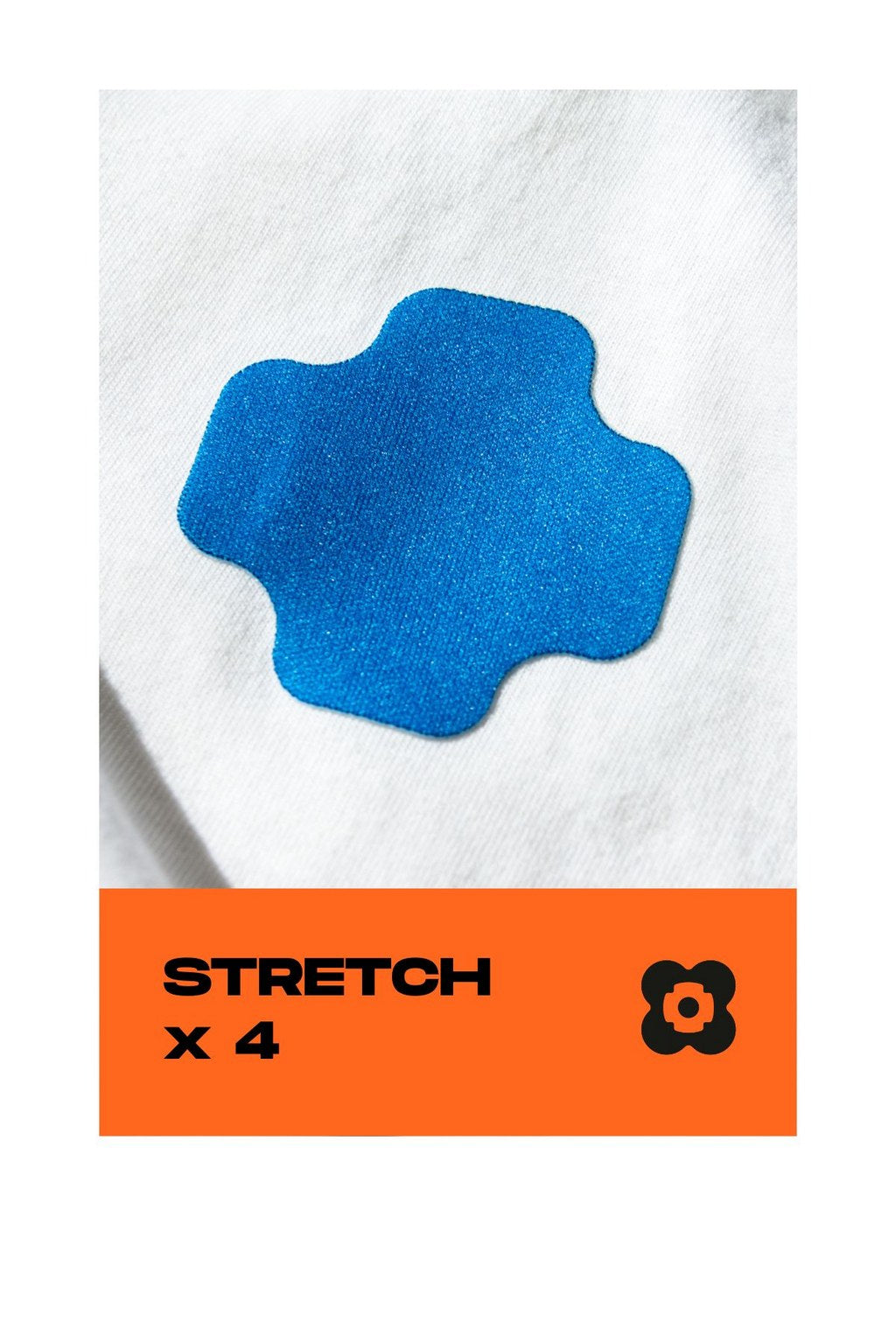
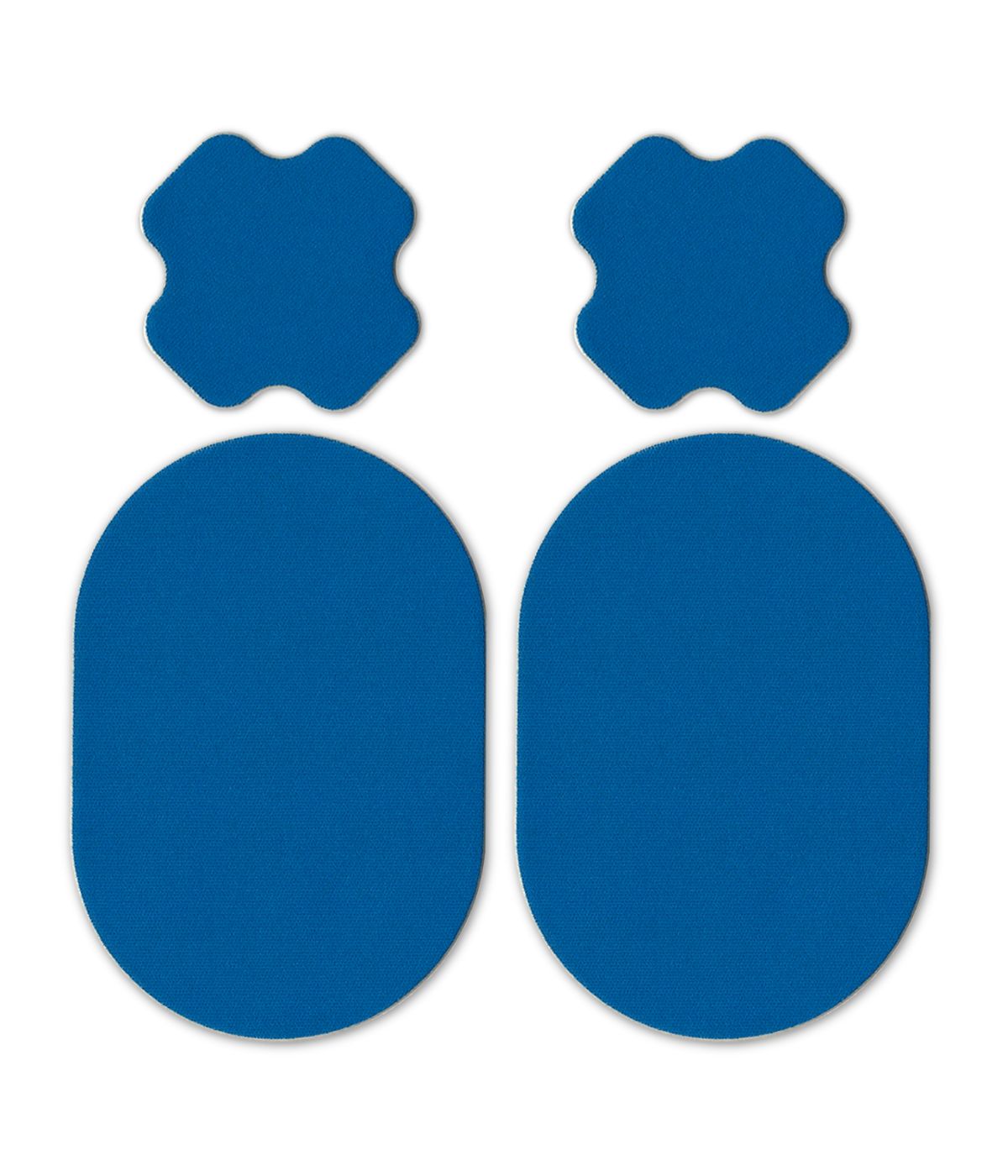
FABPATCH STRETCH Sky blue
POLKU FabPatch
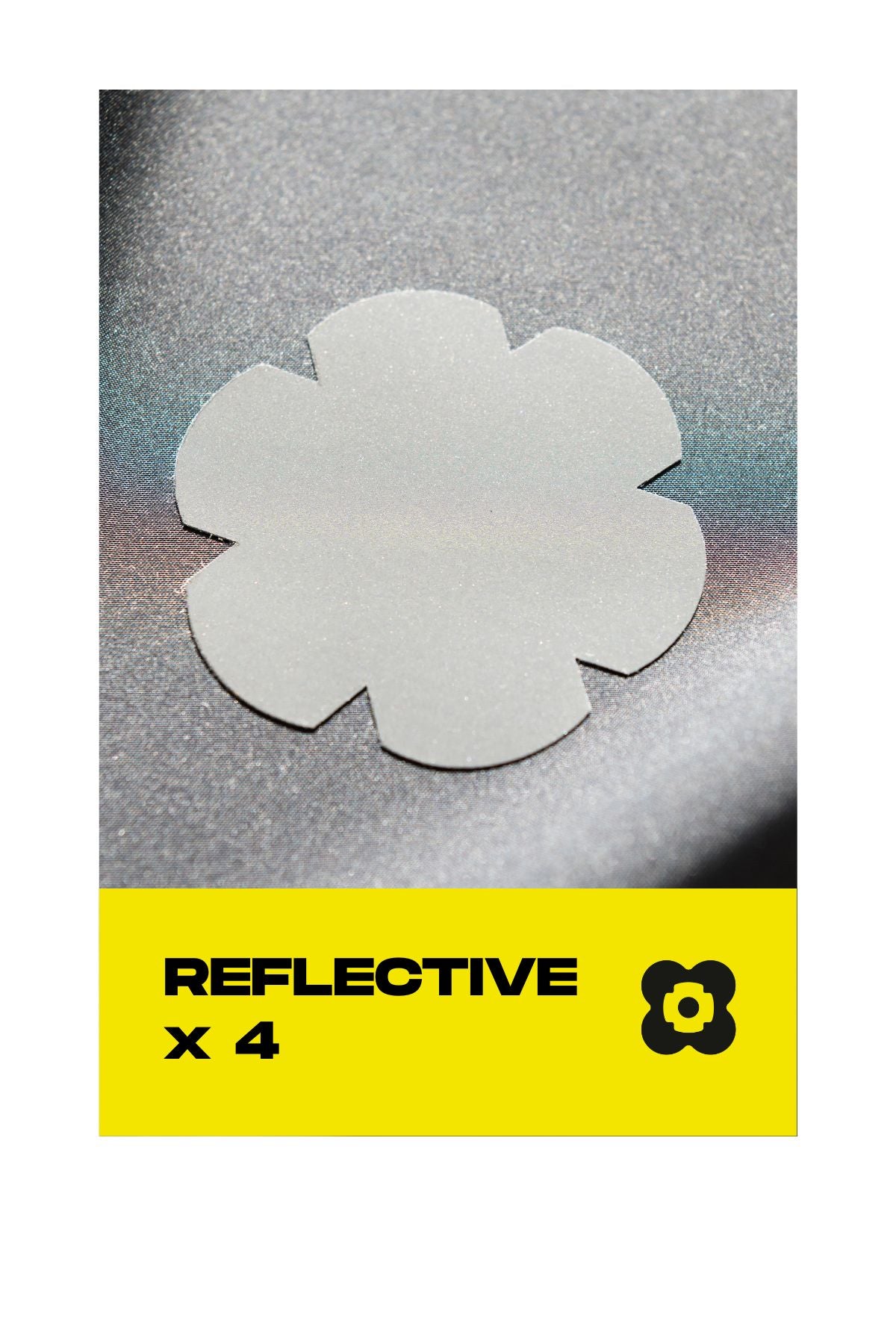
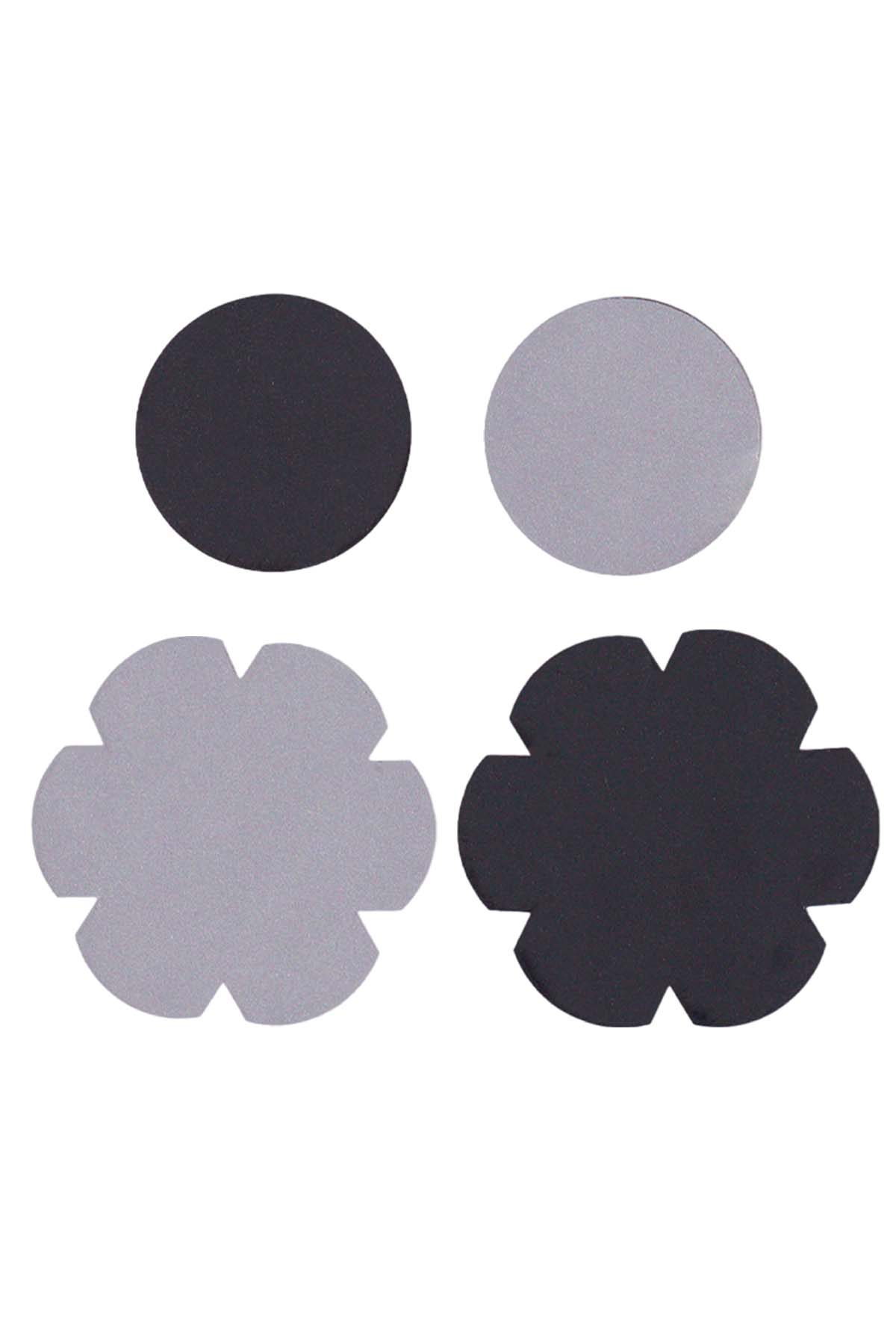
LOISTO Reflective FabPatch
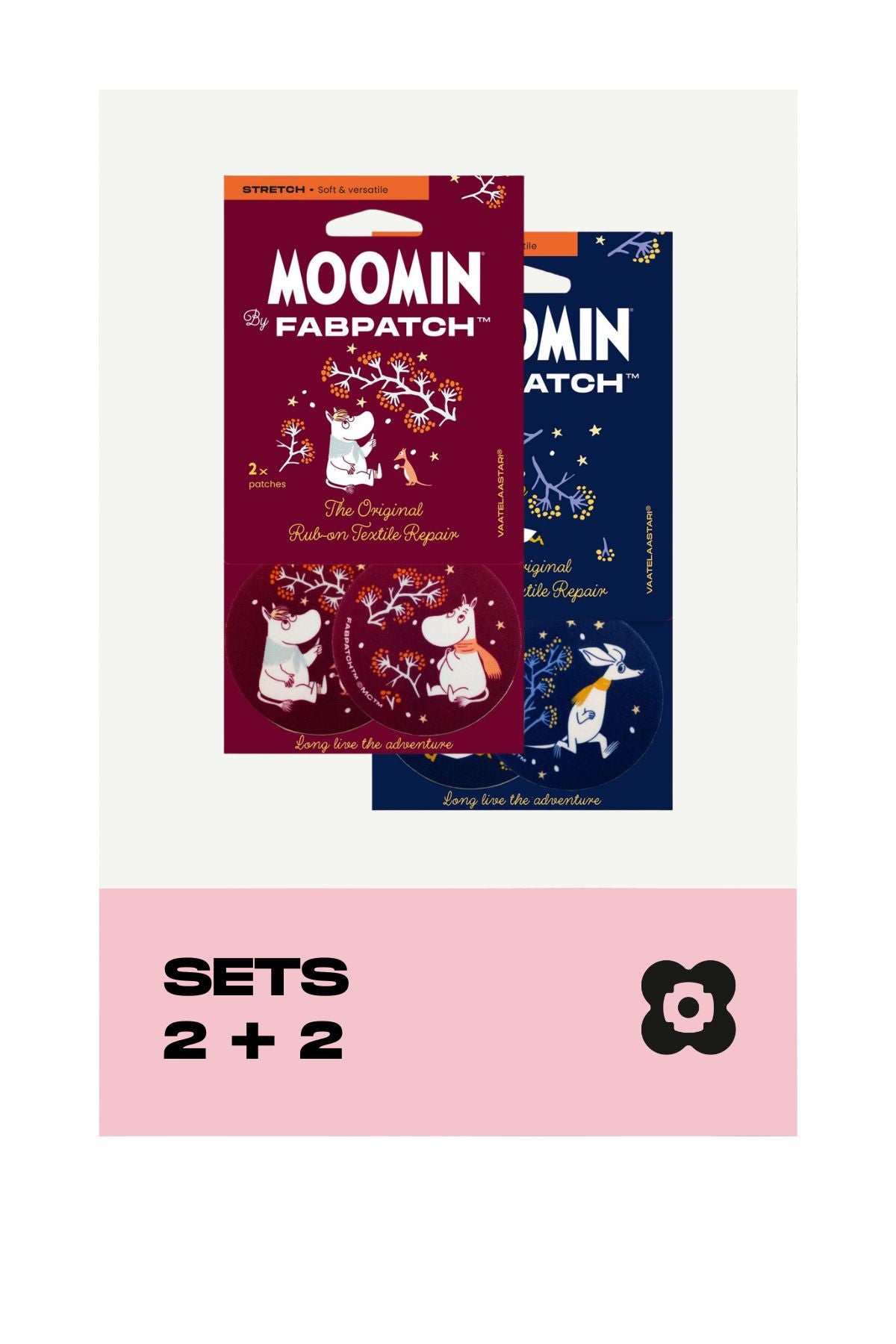
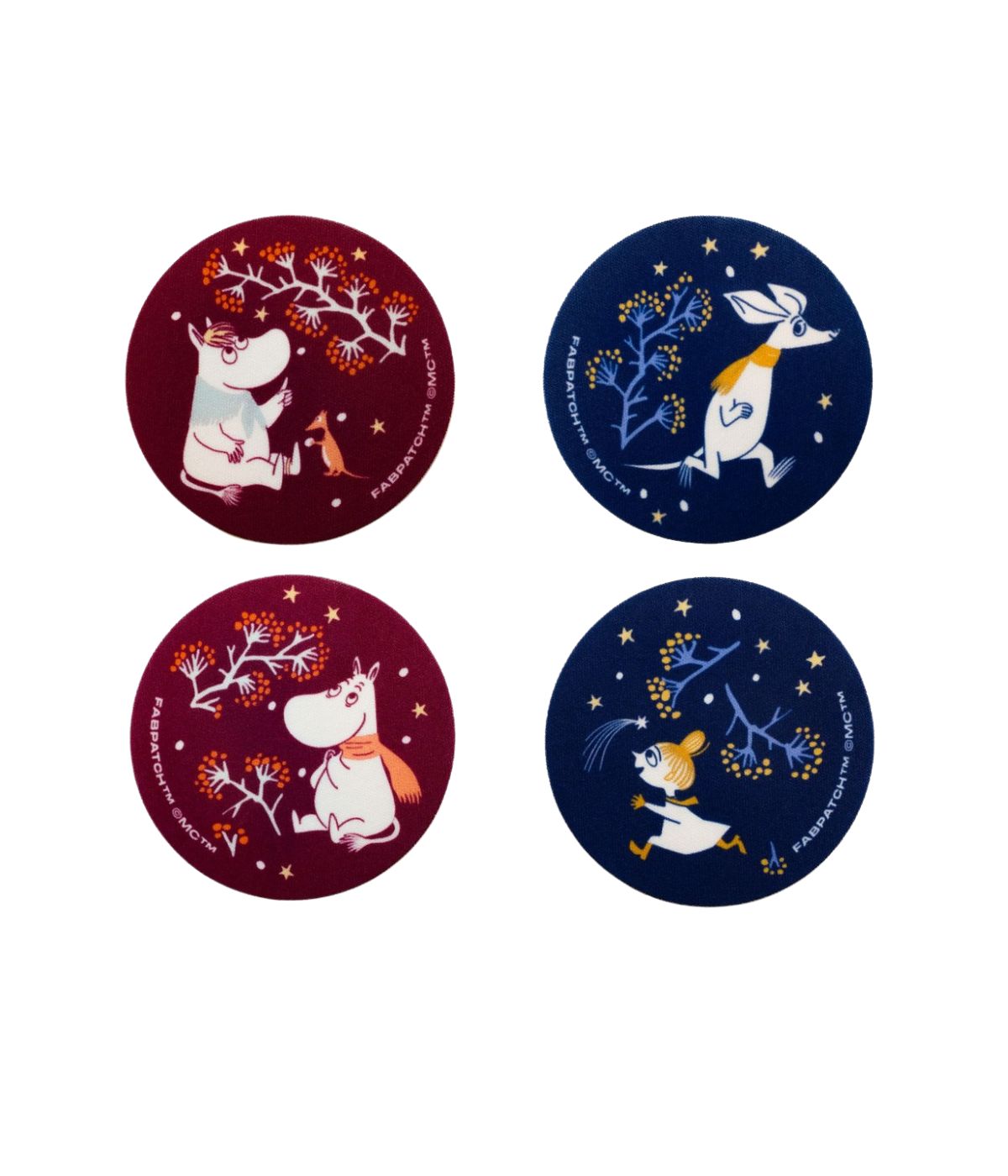
Moomin by FabPatch Set: SHOOTING STAR, STARGAZING AND A SURPRISE PRODUCT

A visible patch or a more discreet repair?
There are two good approaches to repairing kids’ clothes: the patch can be visible, or the repair can be made as discreet as possible.
A visible patch works particularly well on knees and other areas where the repair can become part of the garment’s look. Choose a shade that matches the pants or go for a contrasting colour. Add a patterned patch to plain-coloured pants, and let your child decide which colour will join them on their next adventures.
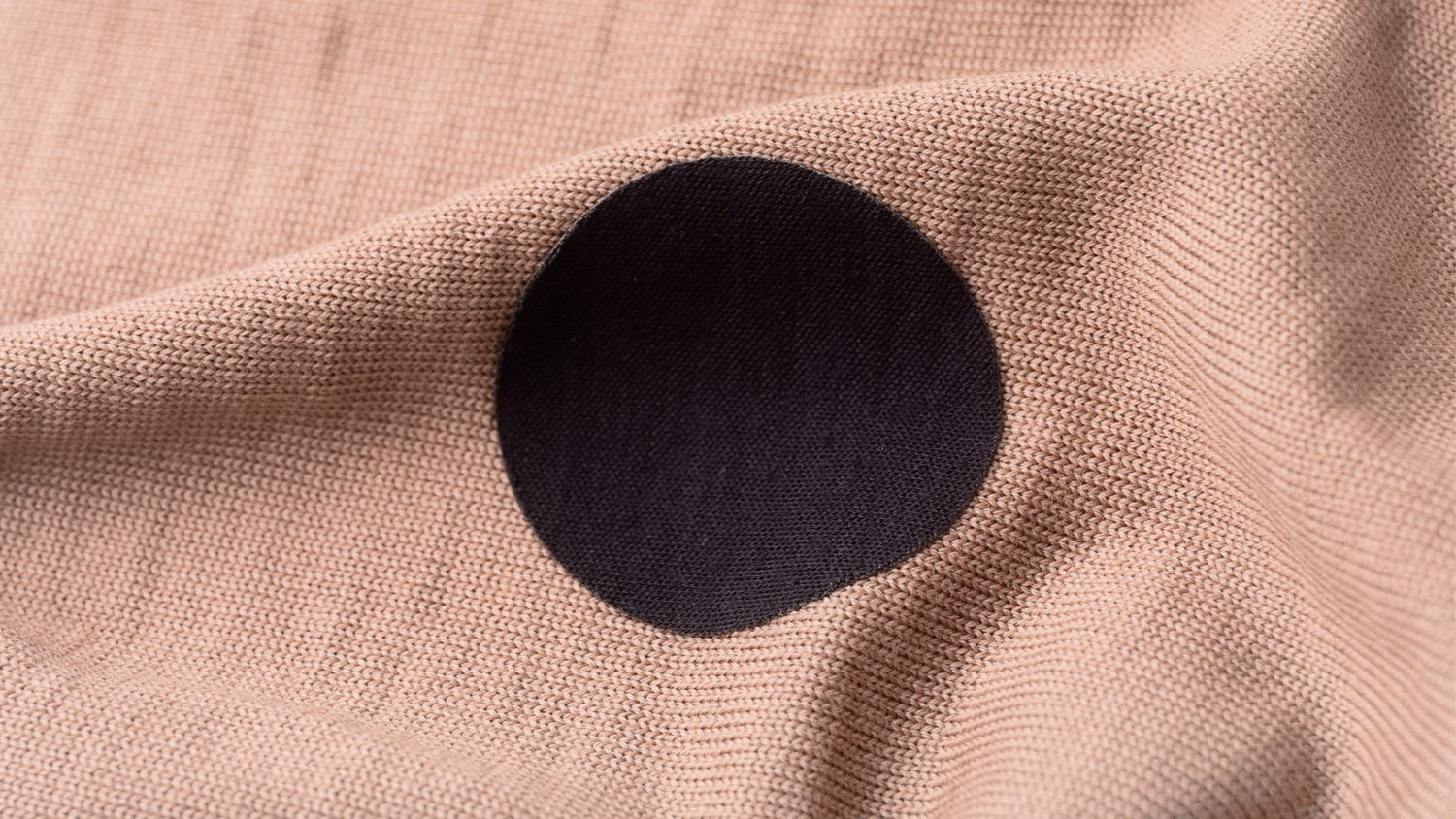
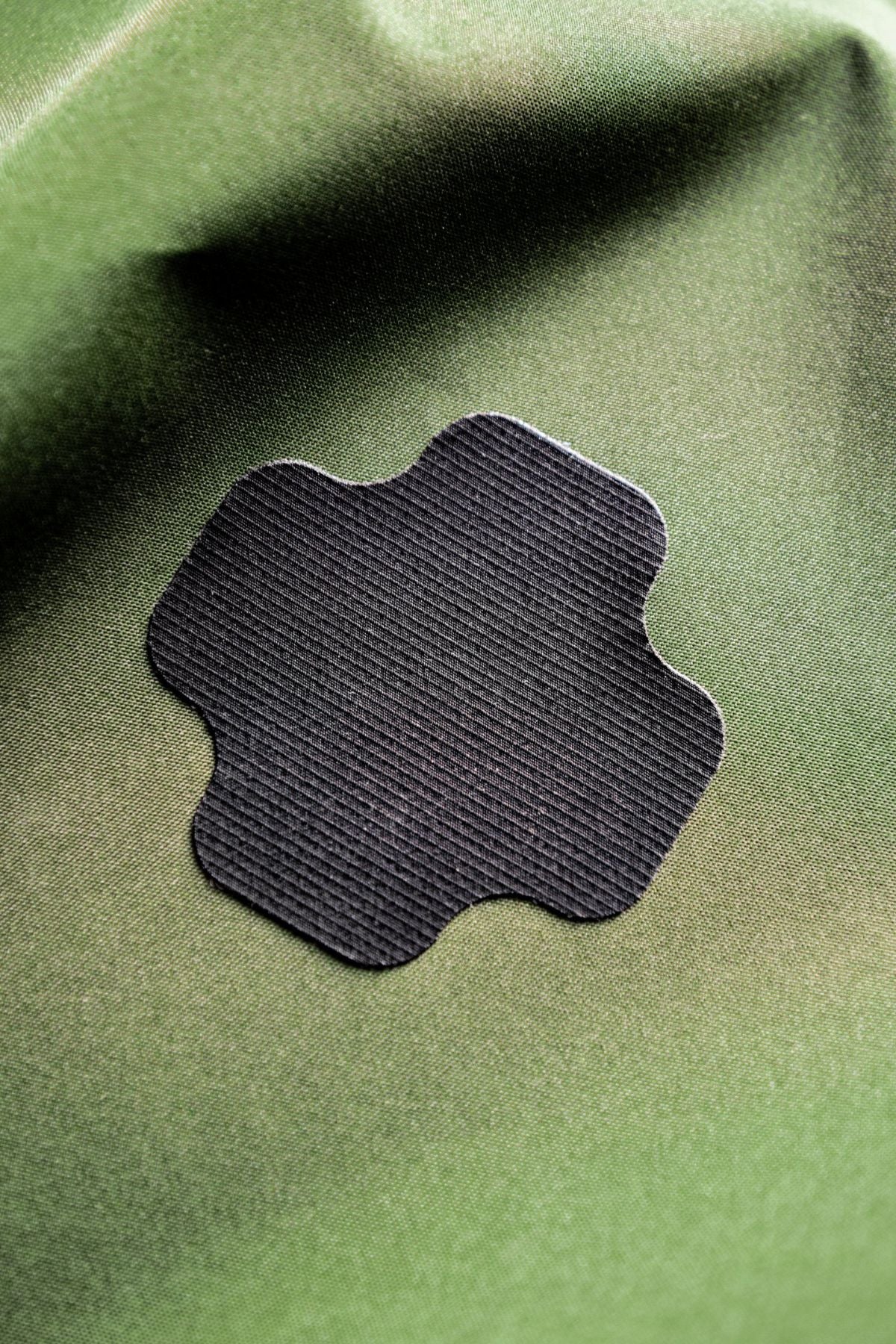
Don’t want the patch to show? Small areas of damage and holes can be repaired most discreetly by attaching a FabPatch™ to the inside of the garment. Pinch the hole closed and, if necessary, tidy the outside with scissors.
Use tape to help
Ordinary tape can be a surprisingly handy helper when repairing clothes.
Turn the garment inside out, arrange the edges of the hole as neatly as possible and temporarily secure them with tape. This keeps the fabric nicely in place while you attach the FabPatch™ over the hole from the other side of the garment. Once the patch is attached, carefully remove the tape from the inside and finish the repair by rubbing the patch firmly into place.
A small trick, but a surprisingly big help, especially on the knees of kids’ pants and other signs of an active life. So this time, the tape isn’t repairing the garment itself – it’s helping the FabPatch™ do the job!

What about repairing the crotch of pants?
The crotch area of pants is constantly exposed to stretching and friction. That’s why repairing the crotch of pants requires a little more attention than, for example, patching a single small hole at the knee.
First, check whether you are dealing with an actual hole or a larger area of thinning fabric. If the fabric has become fragile over a large area, the repair should reinforce more than just the centre of the hole.
With stretchy pants, it’s important that the repair material can adapt to movement. Stretch FabPatch™ is designed for both stretchy and non-stretch fabrics, making it suitable for many types of kids’ pants. Position the patch in the crotch so that its edges do not sit in the areas exposed to the most intense friction.
If the damage is directly on a seam or the seam itself has come apart, sewing may be a better repair method. A torn seam and a hole in the fabric are two different types of damage, so choose the repair method accordingly.

Patching rain pants and outerwear
When it comes to rain pants, padded pants and other outerwear, repairs are often somewhat urgent. One small hole at the knee can be considerably larger after the next outdoor adventure, and moisture and water can also easily get through the garment through the hole.
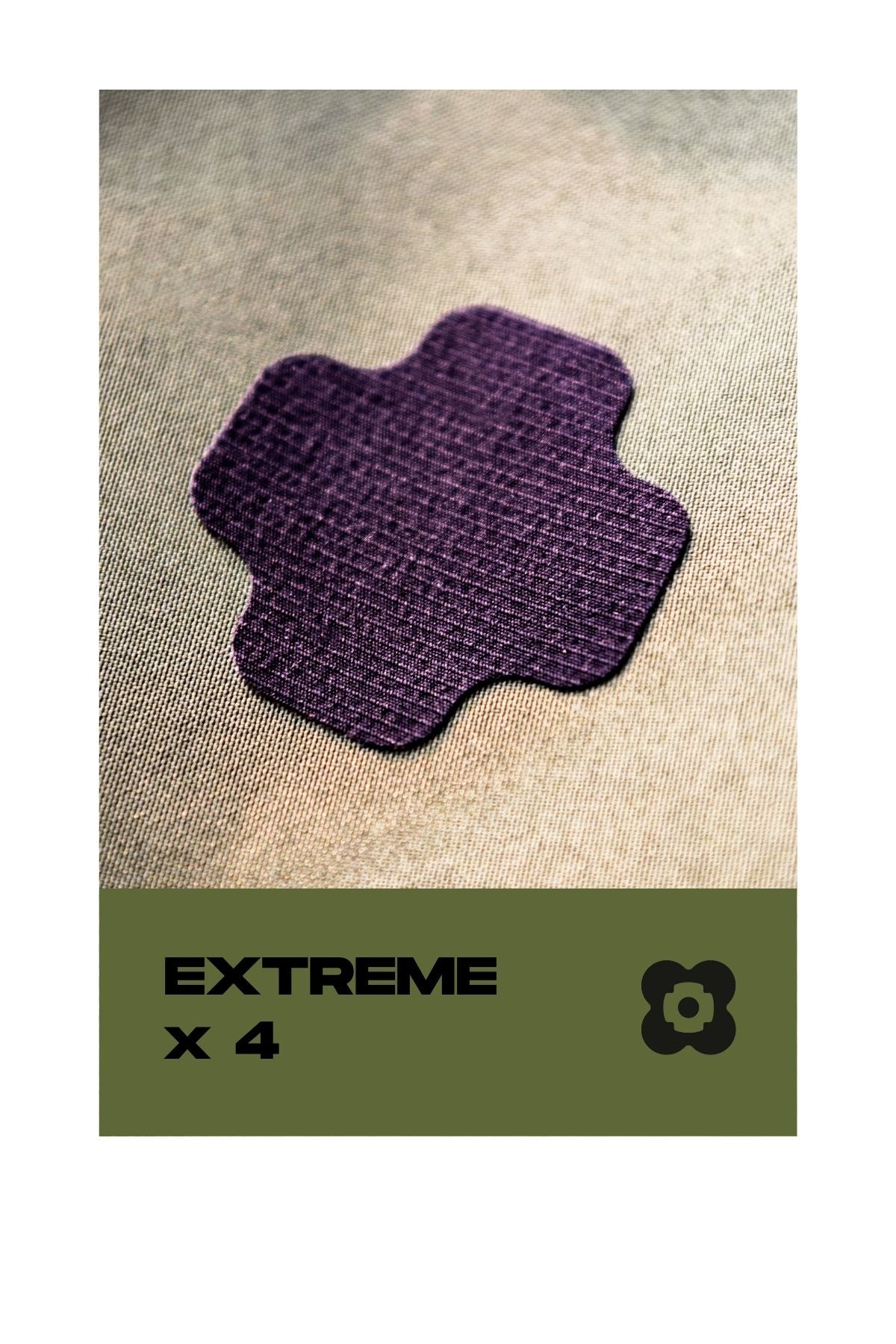
With outerwear, pay particular attention to the surface material and intended use of the garment. If the garment needs to withstand rain and moisture, choose an Extreme FabPatch™ for the repair. It is water-repellent and also highly resistant to abrasion. Non-stretch reflective FabPatch™ patches are also at their best on outerwear and gear!
So there’s no need to put an otherwise perfectly good outdoor garment aside because of one small hole. A quick patch, and the adventures can continue!
How to patch kids’ clothes so the repair lasts
A good repair starts with choosing a suitable material and patching the damage early enough. Here are a few things to remember:
- Always follow the instructions for use.
- Repair the hole before it has time to grow larger.
- Apply the patch to clean fabric.
- Choose a patch suitable for the garment’s material and intended use.
- Choose a patch larger than the damaged area so that it adheres over a sufficiently wide area.
- Always follow the garment’s washing instructions. FabPatch™ withstands washing at 40°C and tumble drying (Merino patches can be washed at 30°C).
- Allow the patch to set and adhere for 72 hours before washing or subjecting it to heavy stretching.
FabPatch™ is a Finnish innovation developed to make textile repair as straightforward as possible. It is attached by rubbing firmly for at least about one minute. That’s why it’s handy to keep a few FabPatch™ patches ready at home – or pack some for the cottage or your travels.
Kids’ shoes can also sometimes be repaired without sewing
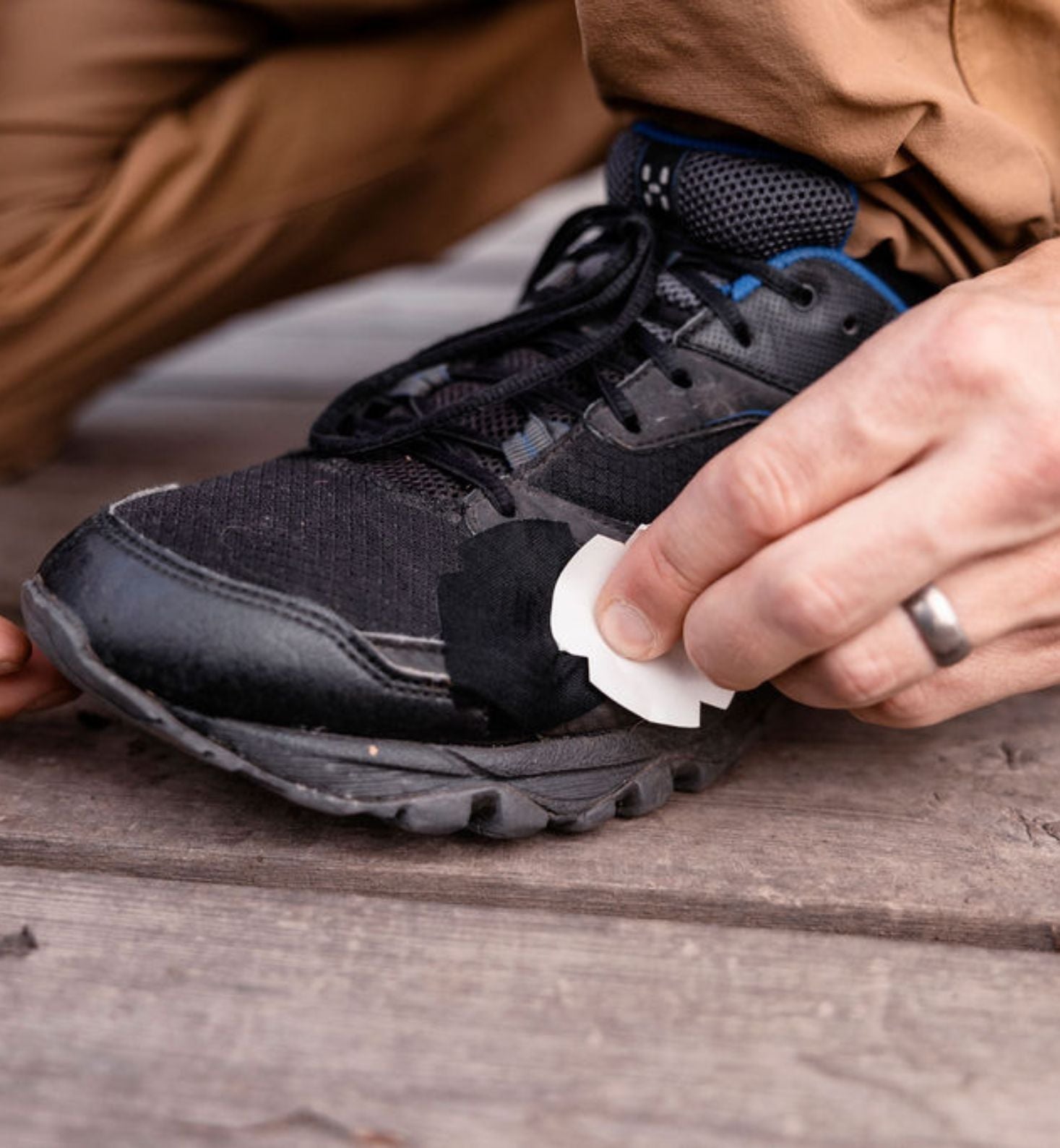
Repairing kids’ shoes depends greatly on where the shoe is damaged and what material it is made from. On shoes with textile uppers, a small worn area or hole can sometimes be repaired with a suitable textile patch.
However, the area being repaired on a shoe is often exposed to considerably more friction, bending, dirt and moisture than an ordinary garment. That’s why it’s important to check whether the material and location of the damage are suitable for patching before making the repair. A detached sole, broken zipper or other structural damage usually requires a different repair method.
A small worn area on a textile upper, on the other hand, may be just the right place for a quick repair – before a toe decides to pop through the hole and say hello.
For shoe repairs, we recommend Shoe Repair patches for both the outside and inside of the shoe. You can also repair shoes with Extreme patches on the outside or Stretch patches on the inside.
Repairing clothes can also save money on a family’s clothing budget
Kids’ clothes don’t always reach the end of their useful life because they have become too small. Sometimes a perfectly good pair of pants that fits just right gets a hole in the knee after only a few weeks of wear.
In that case, patching is often much more sensible than buying a new replacement garment. It can also bring clear savings to a family’s clothing expenses: the longer the clothes you already own stay in use, the less often you need to buy new ones to replace them. This is particularly noticeable with more expensive outerwear, quality pants and clothes that are passed down from one sibling to another.
One small repair can mean many more wears and, at best, eliminate the need to buy a new garment altogether. Your wallet will thank you too!
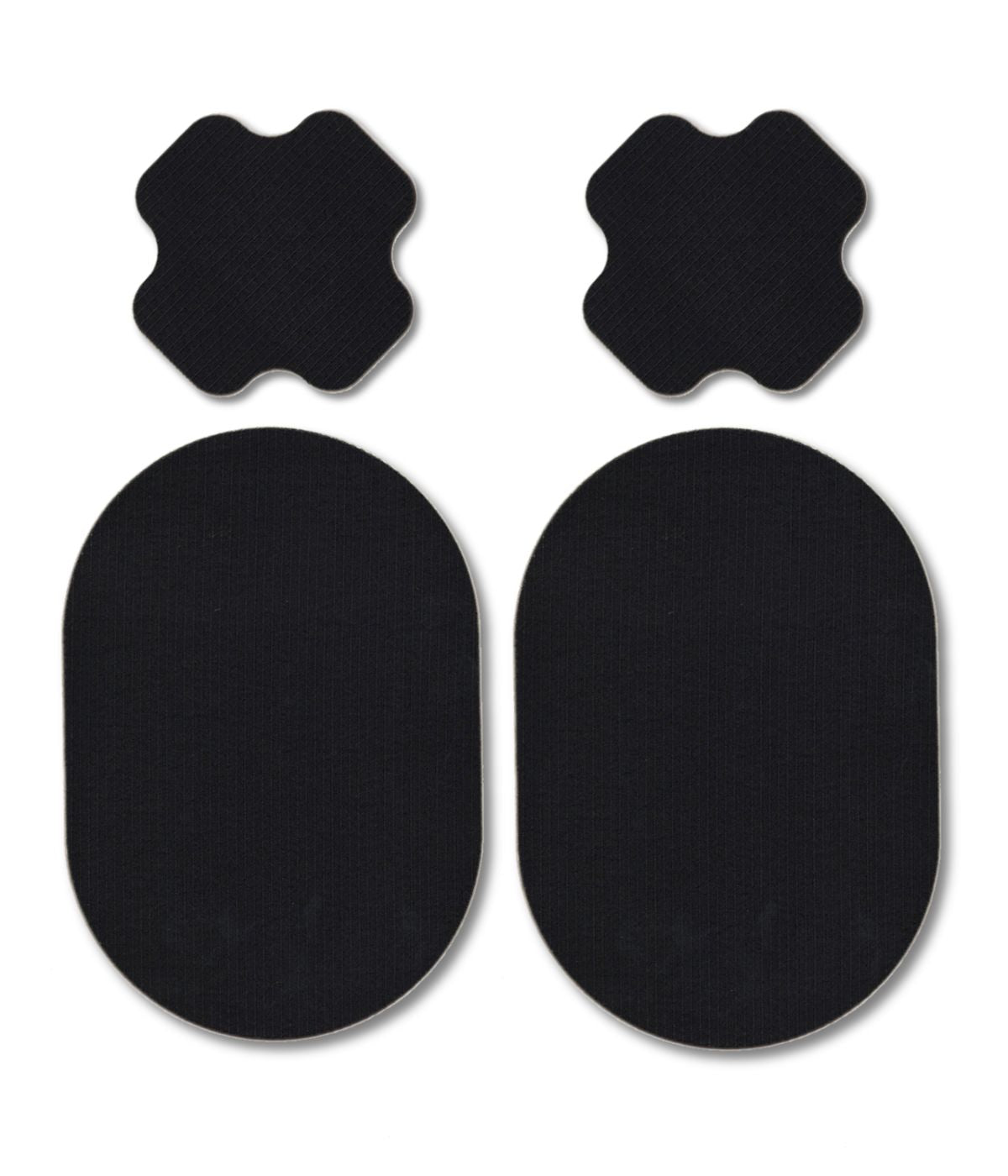
FABPATCH EXTREME Black


FABPATCH STRETCH Pride
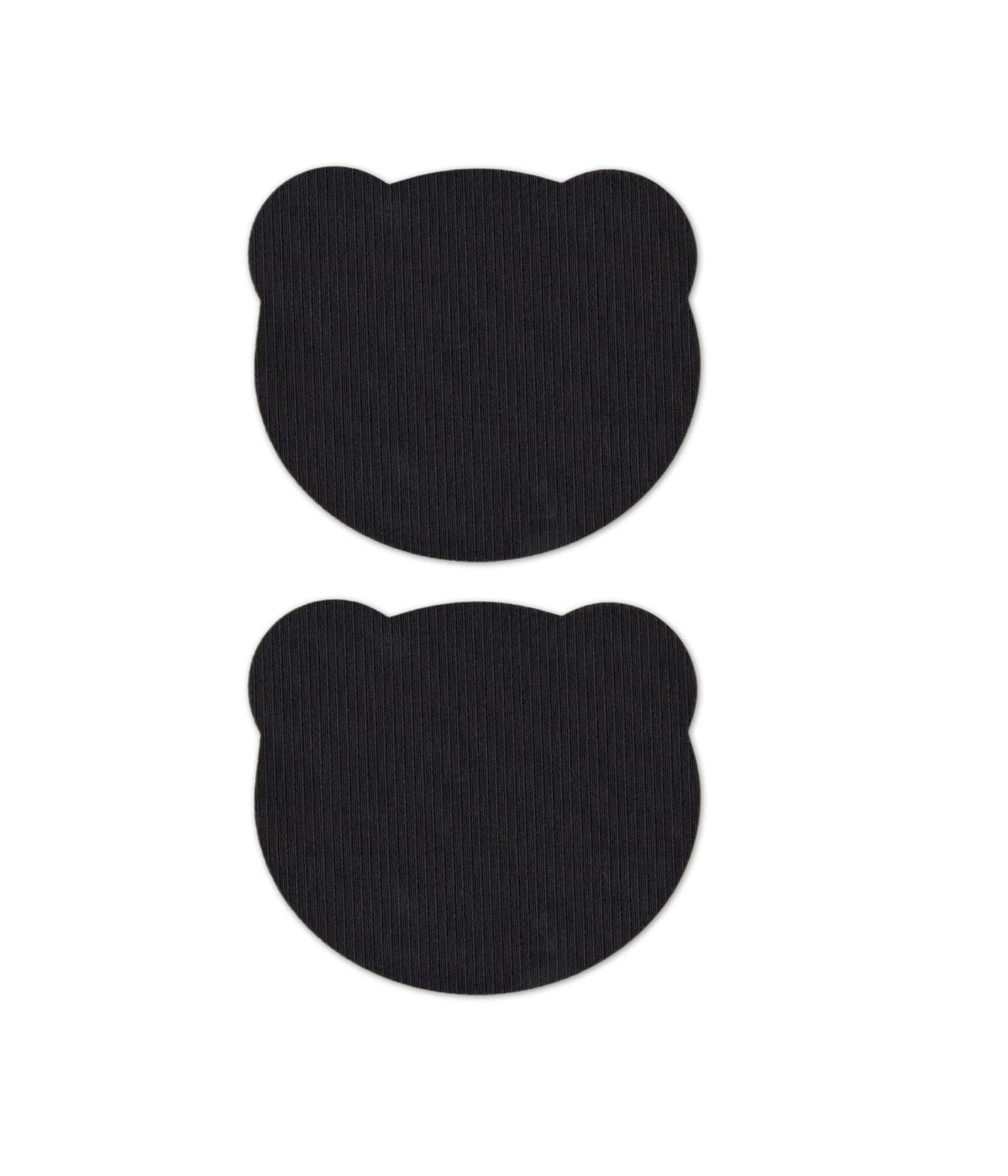
FABPATCH EXTREME Black bears


MUISTI FabPatch
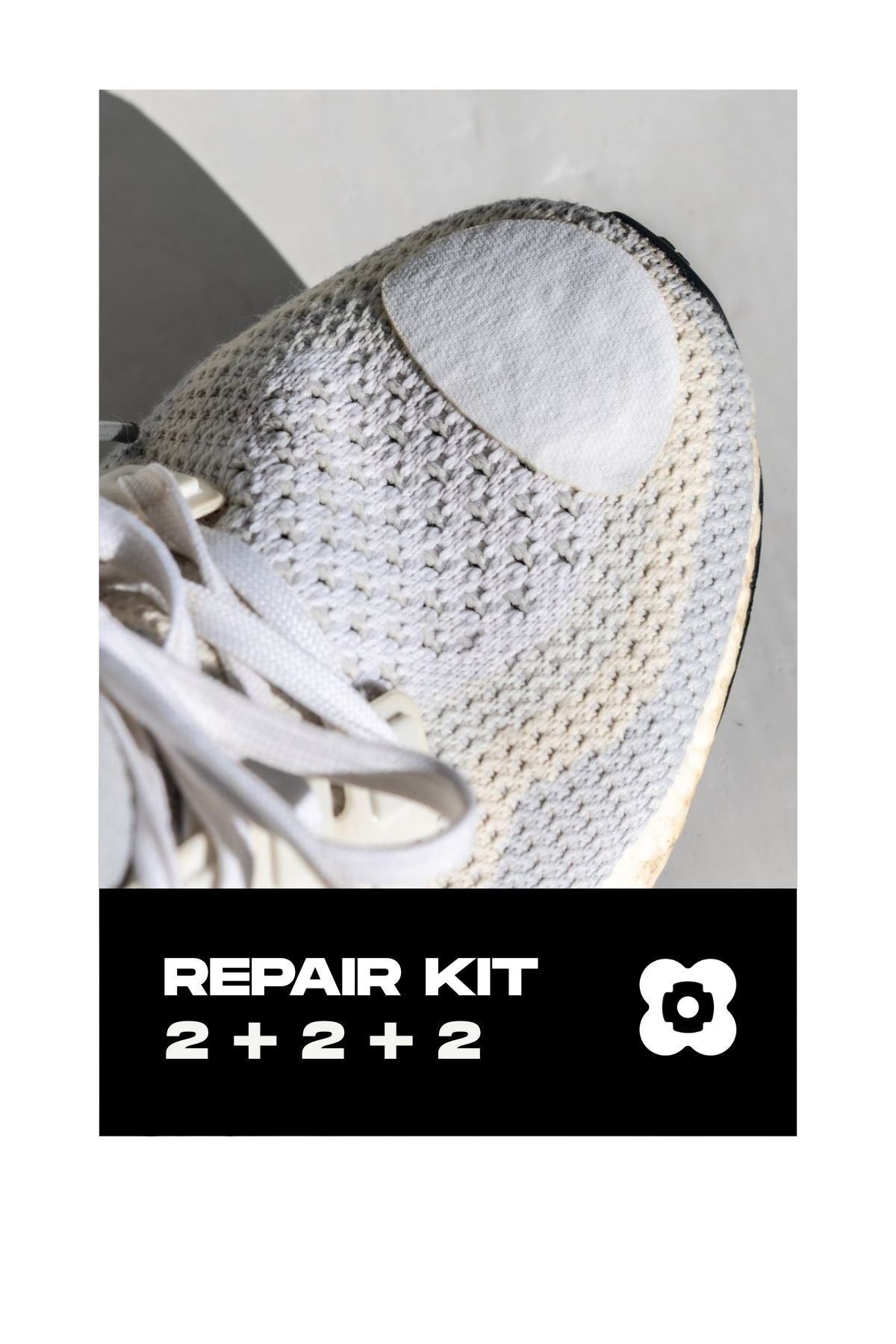

FABPATCH SHOE REPAIR KIT White
LOISTO Reflective FabPatch
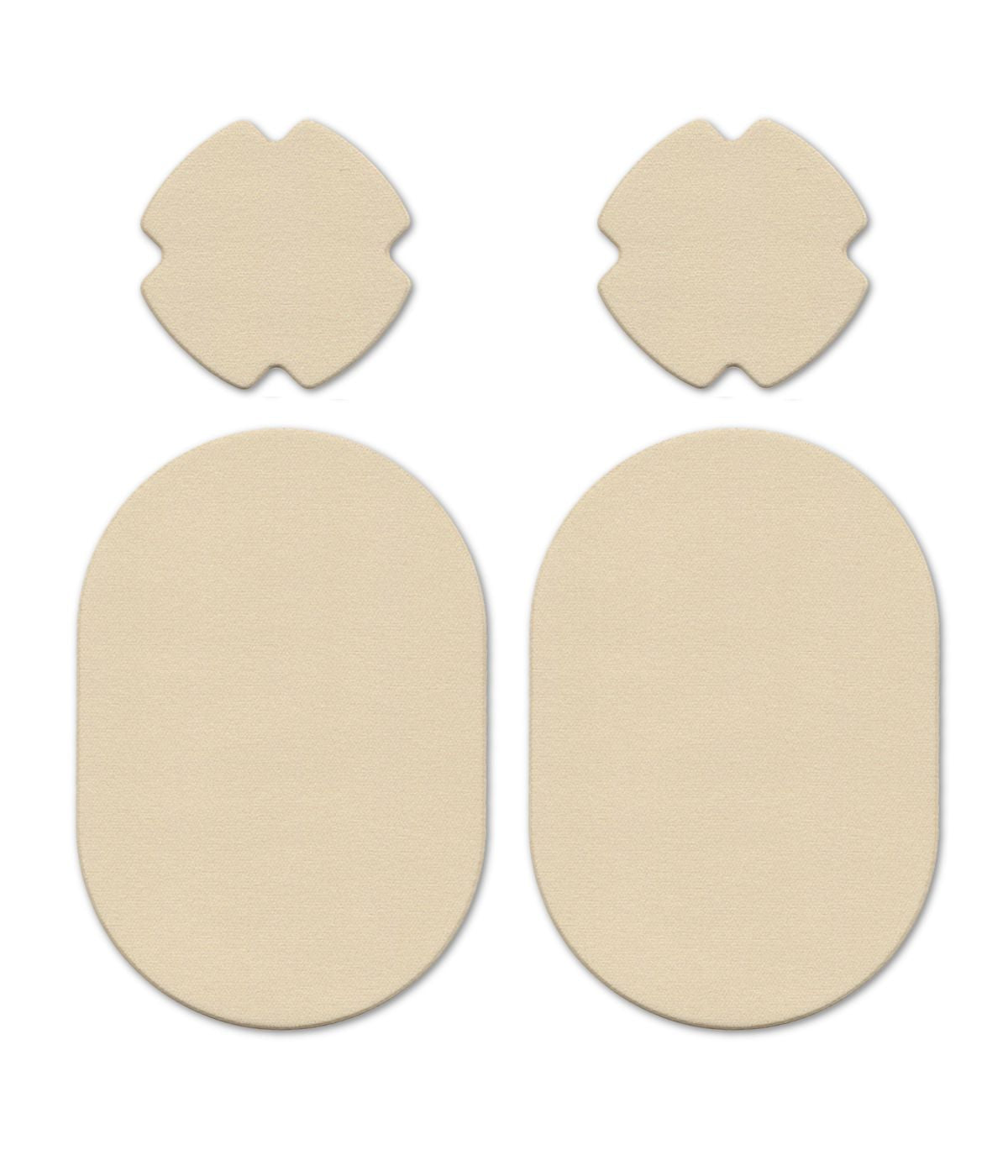
FABPATCH STRETCH Nude
POLKU FabPatch